





























The Zezuru are one of the main ethnic and linguistic groups comprising the Shona people of Zimbabwe. Their geographical presence is concentrated in the central highlands of the country, the region surrounding the historical and political capital, Harare, and extending to large parts of the Central, Eastern, and Western Mashonaland regions. This group represents a significant demographic, political, and economic force in Zimbabwean society. They speak the Zezuru dialect, which formed the basis for the development of the standard Shona language used in educational curricula and official media.
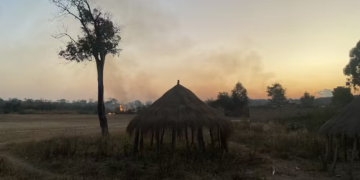
The geographical area inhabited by the Zezuru people is one of the most fertile and temperate regions of Zimbabwe, situated at high altitudes that ensure relatively regular rainfall compared to the lowlands of the south and southwest. This environmental advantage has led to a stable economic pattern among the group, primarily based on mixed farming and livestock herding. Cassava (white sorghum) is the staple food crop for the national dish known as “sadza”, alongside the cultivation of other cash crops such as tobacco and cotton in modern times, as well as cattle herding, which holds significant symbolic and economic importance.
The Zezuru people were closely linked to the rise and development of the great empires and kingdoms that ruled the Zimbabwean highlands before the colonial era, such as the kingdoms of Mutapa and Ruswe. Although they were not always a single, centralised political entity, they were divided into small, independent chiefdoms and kingdoms ruled by traditional leaders known as “mambo”, which translates to “king” or “ruler” in the Shona language. These chiefdoms were connected by extensive networks of alliances, marriages, and trade, and their power depended on controlling regional trade routes that connected the African interior to the eastern coast of the continent via the Zambezi River, where they traded gold and ivory for textiles and glass beads.
The traditional social structure of the Zezuru is based on a patrilineal system, where children are related to their father’s clan and wealth and titles are passed down through the male line. The group is divided into multiple clans, each distinguished by its own totem, or sacred symbol. This totem is usually a wild animal such as a lion, leopard, or monkey, or a part of an animal’s body.
The dowry (or roora) is a fundamental pillar of marriage and family life among the Zezuru people. Traditionally consisting of livestock and cash, roora involves complex and lengthy negotiations attended by elders from both families. This practice strengthens social bonds between different clans.
Religiously and spiritually, the Zizoro people adhere to a traditional belief system centred on the worship of a transcendent creator deity called the Mwari. Their belief system has played a pivotal political and historical role in modern Zimbabwean history, particularly during the resistance against British colonialism in the late 19th century, known as the First Chimurenga. During this period, prominent Zezuru spiritual figures such as Sekuru Kaguvi and Mbuya Nehanda emerged, leading the spiritual and organisational resistance against the colonial forces of Cecil Rhodes. Nehanda, after her execution, became a unifying national symbol, inspiring generations of fighters in the “Second Chimurenga” during the 1960s and 70s, which ultimately led to Zimbabwe’s independence in 1980.
During the colonial era known as Southern Rhodesia, the Zezuru people were subjected to intense demographic and economic pressures. The colonial administration confiscated their fertile lands in the central highlands, converting them into commercial plantations owned by white settlers, and forcibly relocated the indigenous population to barren and infertile areas known as “tribal reserves” or “dual tribal areas”. This policy led to the destruction of the traditional subsistence farming system and prompted many Zieuru men to migrate to developing urban centres like Salisbury (now Harare) to work in mines, factories, and domestic service, thus establishing an early, working, and educated urban society.
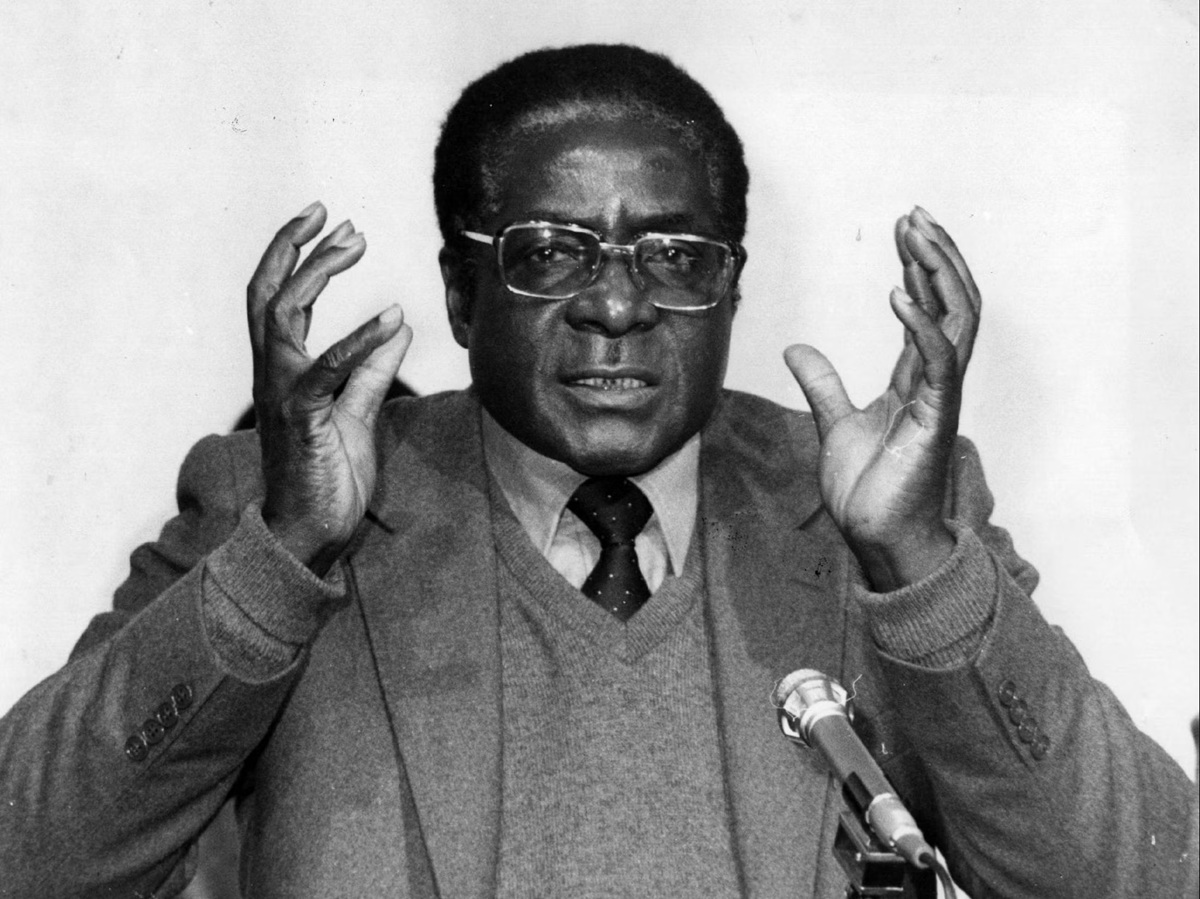
The Zezuru people’s geographical proximity to the political capital and the educational centres established by Christian missions resulted in their relative advantage in modern education and administrative positions during the pre-independence and post-independence periods. This educational and professional advantage was directly reflected in the political landscape of post-independence Zimbabwe, where a Zezuru political elite dominated the state apparatus and the ruling party, the Zimbabwe African National Union-Patriotic Front (ZANU-PF), for decades. Former President Robert Mugabe, a member of this group, was the most prominent embodiment of this perceived political dominance.
This long-standing perceived political dominance of the Zezuru elite has fuelled simmering tensions and regional and ethnic rivalries within the Shona community itself (with other groups such as the Karanga and Manyika) as well as a deeper, more historical conflict with the Ndebele ethnic group in the southwest.
Some Zimbabwean analysts and politicians argue that the distribution of state positions and national wealth has been marked by periods of tacit bias in favour of Zezuru-inhabited regions, creating a kind of regional polarisation that continues to influence internal political dynamics and power struggles even after the political transformations the country underwent in the late 2010s.
The Mbira music—a traditional instrument consisting of metal keys mounted on a wooden board—is an integral part of their spiritual and artistic heritage, having been primarily used in ancestral spirit invocations (“Bira”). Artists from this background, such as Thomas Mapfumo, have developed this traditional heritage into a modern folk music known as Chimurenga, which carries political and social messages that have contributed to national mobilisation against colonialism and political corruption in the post-independence era.
The Zezuru’s oral tradition is evident in the richness of their language, filled with proverbs, stories, and tales that serve as a primary means of raising children and transmitting moral and social values from generation to generation. This oral literature promotes values such as social solidarity, respect for elders, environmental protection, and adherence to clan laws. However, this oral heritage is currently facing increasing threats due to rapid urbanisation, the growing reliance on English in official and commercial transactions, and the reluctance of younger generations in cities to learn and acquire the details of ancient dialects and traditions.
The rural communities of the Zezuru people currently face economic and social challenges linked to the overall situation in Zimbabwe, most notably climate change, which has led to irregular rainfall patterns and increased drought, threatening food security dependent on rain-fed agriculture. Furthermore, the controversial land reform policies implemented at the beginning of this century have had mixed effects on the region; while they enabled some farmers to reclaim historical lands, they also led to a decline in organised agricultural productivity due to a lack of funding and modern technologies.