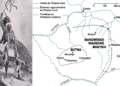



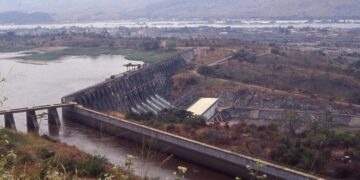
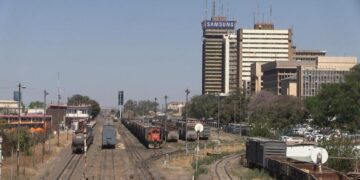
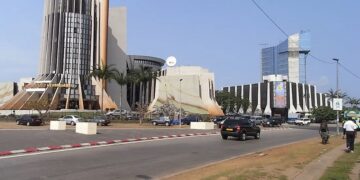









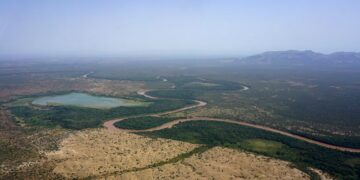
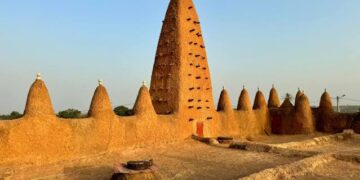

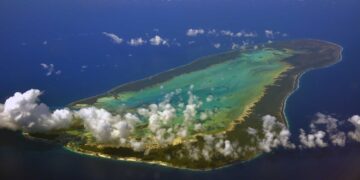



Mali, which lies mostly in the Saharan and Sahelian regions, is largely flat and arid. The Niger River flows through its interior, functioning as the main trading and transport artery in the country. The area that is now Mali was once part of the three great precolonial Sudanic empires: Ghana, Mali, and Songhai. The country is also home to the historically important trading and learning centre of Timbuktu.
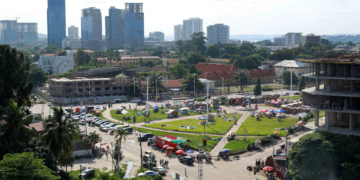
Although Mali is one of the largest countries in Africa, it has a relatively small population, which is largely centred along the Niger River. The national capital, Bamako, is located on the river in the southwestern part of the country. At the moment, Mali has a population of 24.5 million. While French is the official language, the West African CFA franc serves as the national currency.
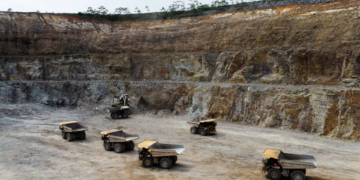
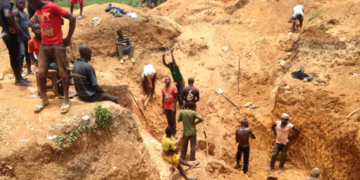
Likewise, there is considerable agricultural potential. But development has been hampered by the drought, locust attacks, and vast distances between population centres. Another problem is the distance from landlocked Mali to export outlets on the coast of West Africa. Transport difficulties have hindered exploitation of the country’s mineral reserves (Africa Today, 1991). Currently, the West African nation is Africa’s third-largest gold producer, but much of its mining sector operates informally. Still, Mali is among the countries that are most vulnerable to climate change, which is driving thousands of its people into food insecurity.
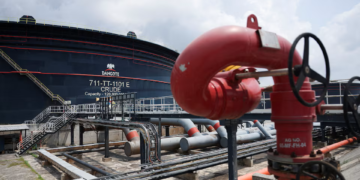
The security situation became more challenging in September 2025, as terrorist groups disrupted fuel supplies to Bamako by targeting fuel tankers serving the capital. While the situation has since shown modest improvement, it remains volatile, with persistent security risks along key supply routes and continued pressure on state capacity and service delivery (World Bank, 2026). This analysis explores how insecurity in Mali is influenced by the interface between armed groups, resource rivalry, and structural state fragility, positioning the crisis within broader discussions in international relations and geopolitics.
Insecurity as a System of Governance
The political economy of insecurity denotes the ways in which economic motivations, governance structures, and conflict dynamics reinforce one another. In fragile states, insecurity often turns out to be rooted in political and economic systems relatively than existing as a brief disruption. In this case, three main dimensions are important:
Firstly, state Fragility, which covers weak institutional capacity, low legitimacy, and restricted territorial control. Secondly, while armed group economies relate to revenue generation via illicit trade, taxation, and resource exploitation. Thirdly, the resource governance competition over land, minerals, and trade routes. In Mali for instance, these dimensions traverse to yield a self-reinforcing cycle such as weak governance aids armed actors, who in turn exploit resources and deepen state fragility.
The revolutions sweeping across the Arab world in early 2011 brought about a major change in the regional landscape. The repercussions of these revolutions were actually felt well beyond the borders of the countries directly concerned, especially south of the Maghreb. Mali is a case in point. The Libyan revolution, the ensuing bloody civil war in 2011 and the end of the ruthless 42-year Jamahiriya interlocked with Mali’s structural crisis and weakness, bringing the country to the brink of implosion.
The outflow of weapons from Qadhafi’s arsenal exacerbated the structural (in)stability of the regional environment caused by a plurality of factors, ranging from local organised crime to environmental degradation. Although not sufficient, the end of Qadhafi’s rule was necessary in triggering the Malian crisis. Mali’s security and economic dependence on Qadhafi’s regime was substantial: from his instrumental patronage of local Tuareg groups to investments in the weak Malian economy.
Just as central Mali has become the focus of violent extremist activity within the country, Mali as a whole has accounted for 64 percent of all violent episodes in the Sahel linked to militant Islamist groups. While the upsurge in violence is attributed to a coalition of extremist groups that fall under the umbrella Jama’at Nusrat al Islam wal Muslimeen (JNIM, the Group to Support Islam and Muslims), one group in particular has played an outsized role in this destabilization: the Macina Liberation Front (FLM), also known as Katiba Macina. In 2018, the FLM was linked to 63 percent of all violent events in central Mali and a third of violent events in the whole of Mali.
Living conditions for communities in central Mali are bleak. In the rural Ségou and Mopti regions, the child mortality rate has hovered around 120 per 1,000 live births, compared to 83 per 1,000 in urban areas. The poverty rate is estimated at around 60 percent in these regions, whereas the poverty rate is around 11 percent in Bamako. In effect, central Mali has for decades been one of the poorest regions in what is one of the poorest countries in the world. In 2014, it had the lowest rate of electrification (7 percent versus 23 percent at the national level) and the lowest primary school rate (42 percent versus 72 percent nationally) in the country.
FLM offered an alternative to severe poverty. Financial incentives became a powerful recruiting tool, especially among young men. For instance, youth recruited by FLM to commit suicide bombing attacks may have been offered up to 750,000 CFA francs ($1,300), a small fortune in rural Mali.
Also, given the limited availability of public education in central Mali, many schools are Qur’anic. Educational models in the Central Sahel have also been criticised for being poorly adapted to the needs of mobile, transhuman communities. By targeting state educational programmes, the FLM has attempted to reinforce the choice of religious education as the only alternative for many families in central Mali—and in the process further cultivate the region as fertile ground for potential recruitment.
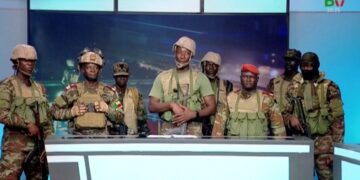
Meanwhile, on 21 March 2012, a military coup d’état took place in Mali, which resulted in the ousting of President Amadou Toumani Touré and suspension of the civil and constitutional rights. The coup was organised by mid-ranking soldiers in the Malian army led by Captain Amadou Sanogo. Following the military coup, Sanogo announced the suspension of the constitutional rule, as well as civil and constitutional rights of association and movement.
State Fragility and Governance Failure
Since the beginning of 2012, there has been a non-international armed conflict in Mali, which is named as the worst crisis in the country’s recent history. The conflict started in January 2012 between the Malian government and the organised armed groups and between such groups within the territory of Mali. Non-state groups such as the separatist Tuareg rebels (National Movement for the Liberation of Azawad (“MNLA”)), Islamists armed groups (Ansar Eddin, al-Qaeda in the Islamic Maghreb (“AQIM”) and the Movement for Oneness and Jihad in West Africa (“MUJAO”) and the Arab and Songhay militias were behind this rebellion.
The conflict started on 17 January 2012 with the attack of MNLA on the military base of the Malian Forces located in the Gao region. In a short period, other non-state armed groups joined the rebellion. Even though these groups lacked coordination with each other, they seized control of Northern Mali. By 2 April 2012, major cities and military bases were in control of the rebels, which resulted in the withdrawal of the Malian forces from the north. In June 2012, armed confrontations between the organised armed groups, especially between the MNLA and Ansar Eddin, started.
Some political scientists established that this does not necessarily mean the population agrees with these groups or supports their ideology. Many do not. However, when there are few alternatives, people adapt. They follow the rules because they need to survive, not because they believe in them. This distinction is important. This helps explain why these groups are so difficult to dislodge. Their strength does not come only from weapons but also from how deeply they are embedded in local realities.
The Armed Group Economies
The continuing collapse of international counterterrorism support, as well as weakening leadership in regional efforts, has created a vacuum in which violent extremism can expand. Armed groups in Mali are not just fighting forces. In many parts of the country, they play a more complex role. It is difficult to estimate the exact number of groups operating within Mali. The largest and best known, Jama’at Nusrat al-Islam wa al-Muslimeen, is a coalition of five organisations and claims to have over 10,000 fighters in the country.
JNIM has pursued widespread kidnapping campaigns targeting foreign nationals to finance its operations in West Africa, according to U.S. crisis-monitoring group Armed Conflict Location & Event Data. ACLED data show the central Sahel records an average of two to four abductions of foreigners a year. For instance, in October 2025, according to the report, a deal was reached to free two citizens of the United Arab Emirates who were kidnapped in Mali by al Qaeda-linked insurgents, with the group getting a hefty ransom totalling roughly $50 million and being paid.
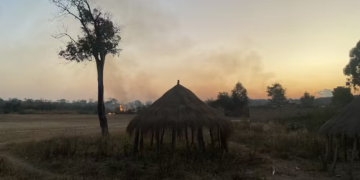
In central and northern Mali, bordering Algeria, the state is often distant, absent or mistrusted. Armed groups step into this vacuum. They settle disputes, enforce rules, collect taxes, and sometimes provide a basic sense of order. For communities living with daily insecurity, these functions are not abstract; they shape everyday life.
Last year, the JNIM targeted fuel tankers, particularly those coming from Senegal and Côte d’Ivoire, through which the majority of Mali’s imported goods transit. JNIM is retaliating against the authorities’ ban on the sale of fuel at locations other than service stations in rural areas, a move meant to dry up the jihadists’ fuel supply lines, according to Malian authorities. Mali’s fuel shortage is exacerbating severe and recurrent power outages that have crippled the economy for the past five years.
Analysts say JNIM’s goal is to use the blockade to pressure businesses and residents to distance themselves from Mali’s military authorities, undermining the government’s legitimacy and authority. But they say the militants don’t appear to seek power themselves.
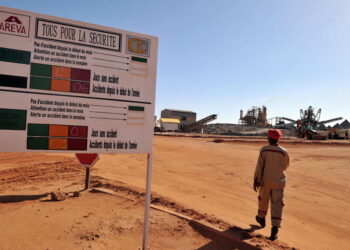
Since July, Mali has seen an increase in attacks targeting industrial and mining sites, particularly in the Kayes region, which accounts for 80 percent of Mali’s gold production, its main source of wealth. Examples include the Diamond Cement Factory in Kayes – where three Indian engineers were kidnapped – and several mines in the Kayes region, where about ten Chinese employees were abducted. The Bougouni lithium mine, operated by the British company Kodal Minerals, has also been subjected to several raids.
In response, however, the Malian government is tightening control over the industry by fighting illegal mining and boosting local authorities’ resources, aiming to encourage investors amongst complex risks. In the interim, mining operations continue as Mali remains a top gold producer.
How Urban attacks mark ‘major threat’
To understand the present crisis around Bamako, one must trace its history. As the emeritus social anthropologist Georg Klute explains, conflict in the Sahara-Sahel region has long taken the form of asymmetric, nomadic “small wars”. These were not total wars but mobile and negotiated confrontations, rooted in strategies of autonomy and survival in marginal environments. What we see today is a continuation of this tradition of localised contestation.
The asymmetric “small war” has evolved into hybrid insurgencies blending historical modes of resistance, political grievances from the 1990s onwards, and transnational terrorists’ ideology. This trajectory was already visible more than a decade ago, when the 2012 coup was followed by the occupation of northern Mali by Tuareg separatists and terrorist groups. Once celebrated as a model democracy, Mali entered a prolonged cycle of fragility, marked by military coups, fragmented authority and the erosion of public trust.
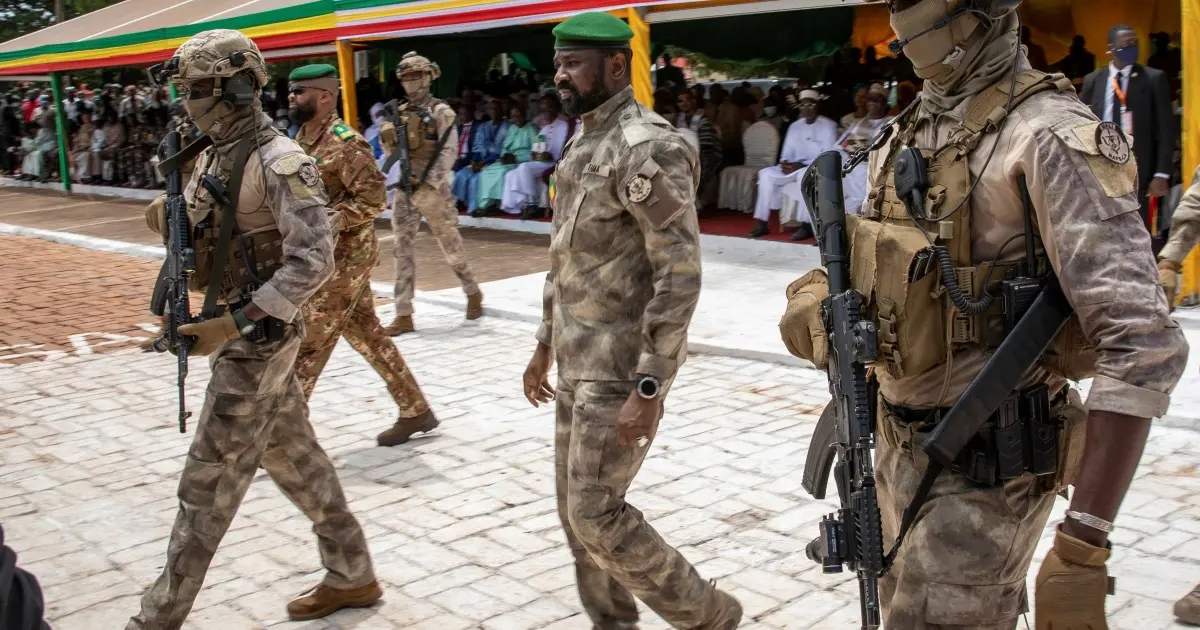
Early on April 25, armed groups launched near-simultaneous attacks against military installations and strategic sites across multiple regions of Mali. In Bamako and Kati—the latter a central hub of military power and the residence of junta leader Assimi Goïta and other high-level military officials just outside of Bamako—explosions and sustained gunfire were reported around military bases and the international airport.
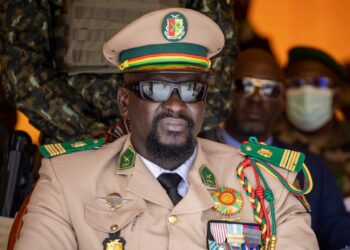
Malian Defence Minister Sadio Camara and his family were killed in their home in Kati, a military garrison close to the capital, Bamako, the government announced recently. Armed groups have announced that they are laying siege to Bamako.
Same day, the Malian armed forces (FAMa) claimed it had neutralised around 30 militants, including two senior operatives—Hassana Sangaré (alias Abou Sy) and Seydou Sidibé (alias Diabero). While the deaths of these high-profile figures mark tactical wins, they also point to the persistent threat posed by deeply embedded insurgent networks.
The escalation and spread of the conflict and additional armed actors taking part in hostilities are a clear sign of this downward trend. Mohamed Elmaouloud Ramadane, a spokesperson for the Azawad Liberation Front (FLA), told the AFP news agency during a visit to Paris to meet French security and defence officials that his movement’s “objective” was for Russia’s Africa Corps to “withdraw permanently” from the country.
Analysts are questioning the effectiveness of Bamako’s military partnership with Russia after reports emerged that Russian forces withdrew from the northern city of Kidal. Mercenary fighters under the Russian government-owned Africa Corps group had been fighting alongside the Malian military in Kidal.
Authorities in Niger “welcome… the prompt and vigorous response of the units of the unified force… which conducted intense air campaigns in the hours following the cowardly attacks of April 25, 2026, in Gao, Menaka and Kidal,” the government of Niger said recently after a cabinet meeting. The spokesperson for the Malian Tuareg rebels of the Azawad Liberation Front, Mohamed Elmaouloud Ramadane, had called on Burkina Faso and Niger “to stay out of the events underway in Mali” a few hours after the attacks began.
Politically, the junta faces increasing domestic backlash. On May 3, widespread protests erupted nationwide, driven by dissatisfaction with the government’s failure to restore security, repression of dissent, and indefinite postponement of promised elections. Originally set for February 2024, elections were delayed with the junta extending its rule by three more years. Crackdowns on media, activists, and opposition voices have further narrowed democratic space, fuelling public anger.
Conclusion
The political economy of insecurity in Mali makes known a multifaceted relationship among armed groups, resource misuse, and state fragility. Insecurity is not just the absenteeism of authority but a structured system moulded by economic motivations, governance catastrophes, and geopolitical dynamics. Mali’s experience shows that there are clear limits to what military force can achieve on its own. As long as interventions overlook the everyday realities of governance and survival, they are unlikely to bring about lasting change. Until that shift happens, armed groups will remain hard to dislodge, not only because they can fight but also because, in many places, they have become part of how life is organised.
The economic deficit cannot be addressed without addressing insecurity, yet a security-only approach remains insufficient. Securing trade and fuel corridors requires an approach that combines military presence, community engagement, and regional cooperation. Smuggled gold networks constitute a financial drying-up priority no less important than field operations. The Ivorian, Guinean, Senegalese, and Mauritanian ports depend heavily on Malian transit traffic, making the security of trade corridors a shared regional interest requiring a collective response.
Observers believe that improving access to justice and security, supporting local institutions, and taking grievances seriously. It also means recognising that legitimacy is built from the ground up, not imposed from above. While negotiation must go beyond the binary of “state versus armed groups”. It must include religious leaders, market actors, civil society groups, university scholars and local communities. Such a process will be difficult, especially given the commitment to laïcité (secularism) in Mali’s constitutional framework. Yet, refusing dialogue only deepens isolation (political, social, and humanitarian).
Correspondingly, reducing the groups’ recruitment capacity requires addressing root causes through targeted employment policies and community-level resilience building, while positioning women as strategic actors in resilience networks rather than merely beneficiaries of protection programmes. Most critically, any strategy that fails to incorporate the demographic variable is building on shifting sands.
Decisions taken by Mali’s ruling junta — including the withdrawal from ECOWAS in January 2025 — have deepened Mali’s regional isolation and accelerated its fragility. The growing Russian and Chinese presence demands clear strategic analysis rather than wilful neglect, both in identifying points of convergence and in managing points of tension with these two powers. The overall picture confirms that military battlefield victory, without a parallel effort to build effective and just state institutions and genuinely address demographic pressure, will produce nothing more than a temporary postponement of a collapse of far deeper dimensions.