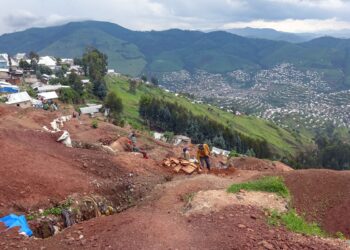


































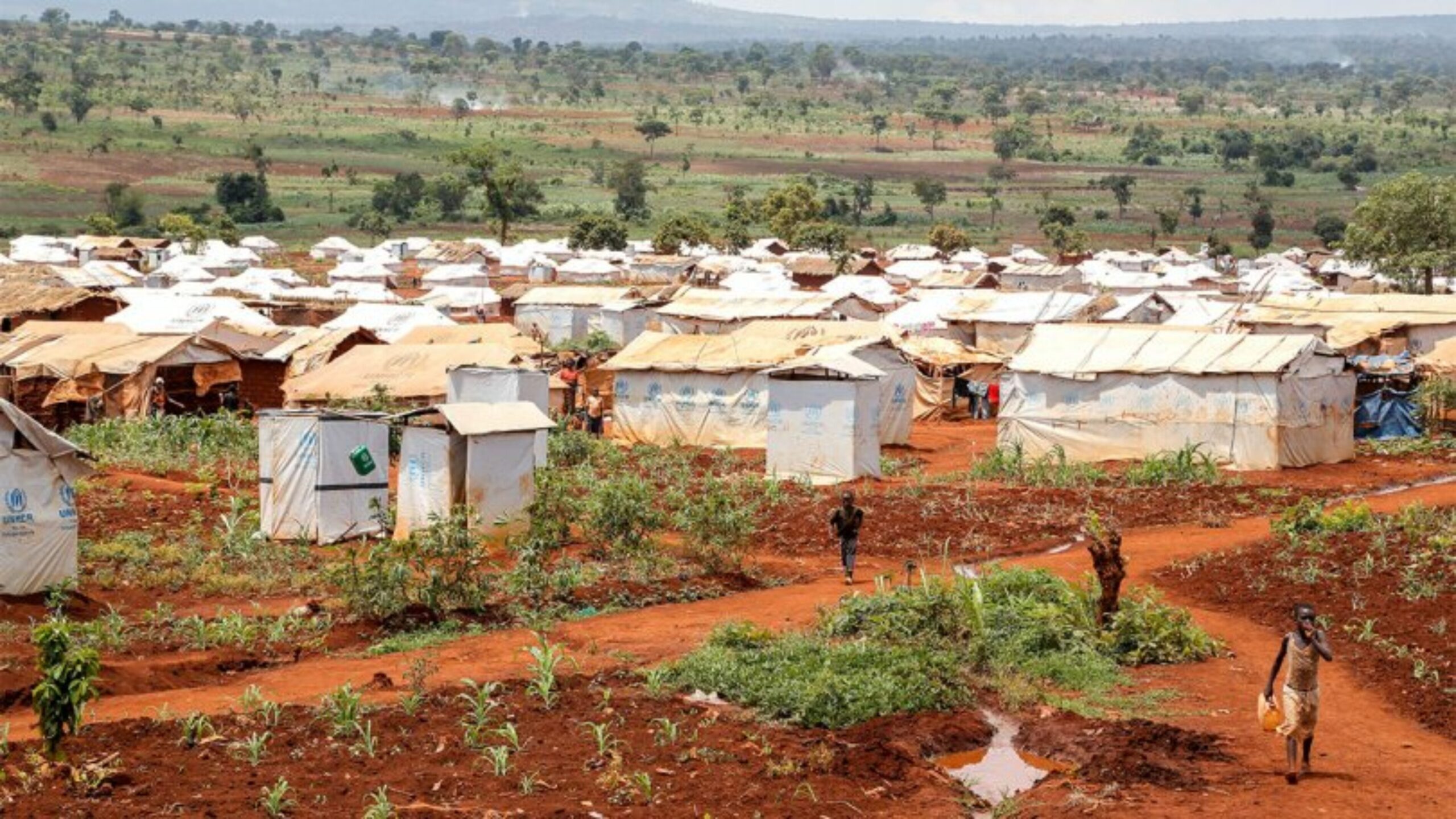
Tanzania has closed a camp housing thousands of Burundian refugees and repatriated all but a handful, activists and the United Nations said on Friday.
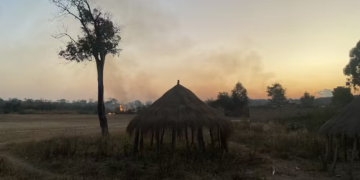
Burundian refugees have complained in recent months of being forcibly evicted from the Nduta camp in northwestern Tanzania, following a deal between the governments in Dar Es Salaam and Bujumbura to repatriate around 100,000 of them by June.
As of late 2025, there were an estimated 142,000 Burundian refugees housed in two Tanzanian camps — Nduta and Nyarugusu, according to the United Nations refugee agency (UNHCR).
They had fled years of civil war, political repression and entrenched poverty in their small country in the Great Lakes region of Africa.
“The approximately 3,000 refugees who remained in the (Nduta) camp were forcibly loaded onto vehicles to be sent back to Burundi on Thursday,” the Coalition for Human Rights/Living in Refugee Camps (CDH/VICAR) said.
“Only around 10 families remained on site, awaiting transfer to the Nyarugusu camp, where 198 families had already been sent following a widely contested selection process.”
Nyarugusu is scheduled to close on June 30, according to Tanzanian authorities.
– ‘Coercion’ –
CDH/VICAR said refugees in Nduta had been subjected in recent months to “increasingly coercive measures”.
These included “restrictions on freedom of movement, pressure to register for repatriation, the linking of humanitarian assistance to registration for return, and the gradual demolition of homes in the camp”, as well as “night-time violence, intimidation, arrests and enforced disappearances”.
The NGO said these coercive measures had “culminated in recent days in a sudden surge in departures, leading to the complete closure of the camp”.
The charity also condemned UNHCR for facilitating the Tanzanian government’s operations instead of “fulfilling its mandate” to protect the refugees.
A UNHCR spokesperson told AFP the camp had been closed by the Tanzanian government.
This move, they said, was in line with an agreement on “the voluntary repatriation of Burundian refugees” between the UN agency and the governments of the two east African countries.
The UNHCR had “consistently raised concerns with the authorities whenever reports of pressure or abuse emerged, reiterating clearly that all refugee returns must be voluntary, safe and dignified”, the spokesperson said.
A separate UNHCR official, speaking anonymously, confirmed the repatriations but declined to comment on accusations of coercion.