


























Kenya’s new National Infrastructure Fund has begun deploying its 340 billion shilling ($2.62 billion) seed capital by buying domestic government bonds, its chief executive said, in the first public disclosure of how it plans to finance projects.
President William Ruto announced the fund last October to finance infrastructure projects without placing additional strain on public finances.
Commercial banks are among the largest holders of the more than $50 billion of outstanding domestic government securities, often preferring them to riskier private-sector lending.
Burdened by high debt and annual repayments that consume 40% of government revenue, Ruto’s administration has sought new ways to fund infrastructure.
“We have a high debt service level relative to our income, we have high social needs and we have a limit to which you can tax Kenyans,” Mworia said, explaining the rationale behind the creation of the fund.
“But on the other hand, we have an infrastructure deficit.”
Kenya’s domestic bond market is the government’s main source of financing.
Mworia said the fund began buying bonds in July, without saying how much has been invested.
“It will give a liquidity boost to the rest of the market,” Mworia said, arguing banks would likely lend more to businesses and households.
INFRASTRUCTURE PLANS
Mworia expects the fund to invest all its capital by the end of the financial year in June 2027.
At 340 billion shillings, the planned investment is equivalent to roughly a third of Kenya’s domestic borrowing target for the fiscal year ending June 2027, Mworia said.
The bond portfolio is expected to generate about 42 billion shillings a year, helping the fund mobilise its targeted 3.6 trillion shillings over the next decade through co-investments and debt, Mworia said.
The fund will invest in commercially viable projects in energy, transport and logistics, information and communications technology, water and farm sectors.
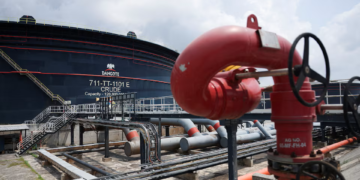
The government capitalised the fund with proceeds from the privatisation of the Kenya Pipeline Company and the sale of some of its shares in telecoms operator Safaricom.
Through the fund, Kenya plans to take a stake in a refinery under development by Nigerian billionaire Aliko Dangote in the coastal county of Lamu, Mworia said, without disclosing the size of the investment.
The fund is also assessing other projects, he said.
“We have a lot of interest from other investors who would like to co-invest alongside the National Infrastructure Fund,” Mworia said, adding that co-investors will come from Kenya and abroad.