





















The “Bassari and Bedik Cultural Landscapes” in southeastern Senegal stand as a prime example of human adaptation to the natural environment and the development of social and cultural structures that have ensured survival over the centuries. Situated near the borders with Guinea and Mali within the Kédougou region, this secluded area encompasses three main geographical and ethnic zones: Bassari, Bedik, and Fulani. Due to its unique material and spiritual systems, UNESCO inscribed the site on the World Heritage List in 2012 under the category of cultural landscapes.
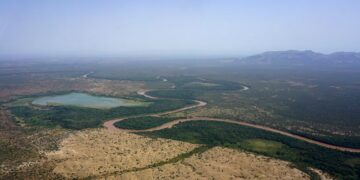
The region is characterised by diverse topography, featuring volcanic highlands, rocky plateaus, expansive plains, and seasonal watercourses. This environmental diversity has shaped exceptional ways of life; inhabitants harnessed the rugged terrain to establish fortified strongholds that protected them against external incursions—particularly during the periods of Islamic expansion in West Africa and the eras of trans-Saharan and regional slave trading between the 11th and 19th centuries.
The harsh nature of the Futa Jallon highlands imposes constraints on agriculture; the soil is rocky and scarce in some areas, necessitating the development of specific farming techniques adapted to the limited space available on mountain terraces and hillsides. The designated cultural landscapes comprise three main geographical sectors representing the region’s resident populations.
Located around the Salémata area, this sector is characterised by hilltop villages. The Bassari people practise terrace farming on the slopes and maintain a social system based on age groups. The Bedik Sector is centred near Bandafassi; this group lives in villages built atop towering rocky outcrops. The Bedik are known for preserving traditional architecture and utilising local stone and grasses in construction.
The Fulani (Pulaar) sector is situated in the plains surrounding Dindefelo; the Fulani represent a pastoral and agricultural lifestyle based on settlement in low-lying areas. They possess a cultural and Islamic identity distinct from the local beliefs of the Bassari and Bedik peoples.
The architectural layouts of the Bassari and Bedik villages reflect a direct response to defensive and environmental needs. Settlements were established on peaks and plateaus to provide expansive views of the surrounding areas and to facilitate the protection of inhabitants against surprise attacks.
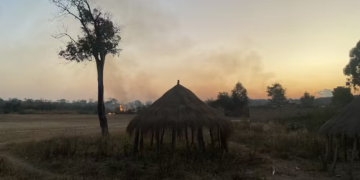
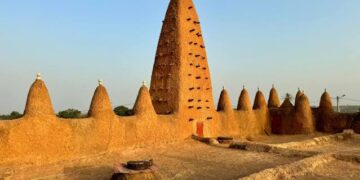
A traditional village consists of circular residential clusters—known as “compounds”—interconnected by narrow paths winding between the rocks. The walls are constructed from straw, mud mixed with hay, and stones gathered from the surrounding environment; they are topped with conical thatched roofs that require periodic renewal to withstand seasonal rains. This architectural design helps lower indoor temperatures during the dry summer season.
Each village features central spaces designated for public gatherings, religious rituals, and rites of passage. These spaces serve as fundamental elements in shaping the local community’s social fabric.
The social structure of the Bassari and Bedik peoples is based on an age-grade system—an organisational framework that defines the rights and duties of each individual within the community according to their age group. Individuals are divided into groups progressing from childhood to youth, adulthood, and finally old age.
Transitioning from one age stage to another requires undergoing complex and rigorous rites of passage. These rituals include tests of physical endurance, secret instruction in cultural lore and oral traditions, and the acquisition of knowledge regarding the environment and medicinal plants. Elders hold legislative and judicial authority and serve as the custodians of the tribe’s historical and religious knowledge.
Despite the prevalence of other religions in neighbouring regions, the Bassari and Bedik peoples have preserved their traditional animist beliefs, which centre on the veneration of nature, family spirits, and ancestral spirits.
Sacred groves, rock caves, and ancient trees are regarded as sites of profound spiritual significance. Cutting down trees or hunting within these areas is prohibited; they serve as sacred sites for rites of passage and the offering of sacrifices. It is believed that spirits inhabit these locations, watching over the community and protecting it from disease and natural disasters.
Masked rituals are a prominent spiritual and cultural feature of the Bassari people. Participants wear masks crafted from plant fibres, bark, and colourful fabrics, representing spiritual beings known as “Lukamb”. These masks appear during harvest festivals and rites of passage between age groups, fostering social cohesion and reinforcing the tribe’s moral values.
The traditional economy within these cultural landscapes relies on subsistence farming, hunting, and gathering, alongside the herding of small livestock. Staple crops include peanuts, white sorghum, millet, upland rice, and fonio. Crop rotation and land fallowing are practised to maintain the fertility of the shallow soil. The Fulani people herd cattle on the plains, while the Bassari and Bedik peoples raise goats and poultry around their settlements. Gathering baobab fruit, shea nuts, and wild honey are seasonal economic activities that help improve the diet and provide products for local trade.
The cultural landscapes of Bassari and Bedik face a range of challenges that threaten their material and cultural sustainability. Soil desiccation and erratic rainfall are causing a decline in agricultural productivity, driving increasing numbers of young people to migrate to major cities like Dakar or to work in artisanal gold mines within the Kédougou region.
Interaction with modern lifestyles and the spread of modern education, television, and digital networks are affecting the younger generation’s commitment to religious leadership, age-grade systems, and unwritten local languages. Nearby gold mining operations (both artisanal and industrial) impact the quality of water resources and soil, while also driving demographic and social changes in the area. Unmanaged tourism can strain the villages’ limited infrastructure and negatively affect the privacy of local rituals and traditions.
Managing this cultural landscape requires balancing the preservation of living heritage with meeting the developmental needs of the local population. Senegalese authorities, in collaboration with UNESCO, have developed management plans that include: Restoring traditional buildings using authentic materials; protecting sacred forests through national environmental laws and local customs; Supporting ecotourism and community-based tourism initiatives to provide alternative income sources without disrupting the social fabric; and documenting oral heritage, songs, and rituals to prevent their loss as the elders who possess this knowledge age.