










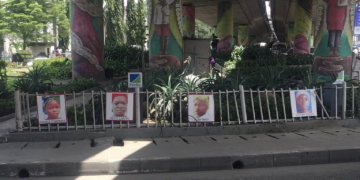



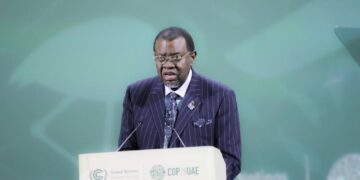










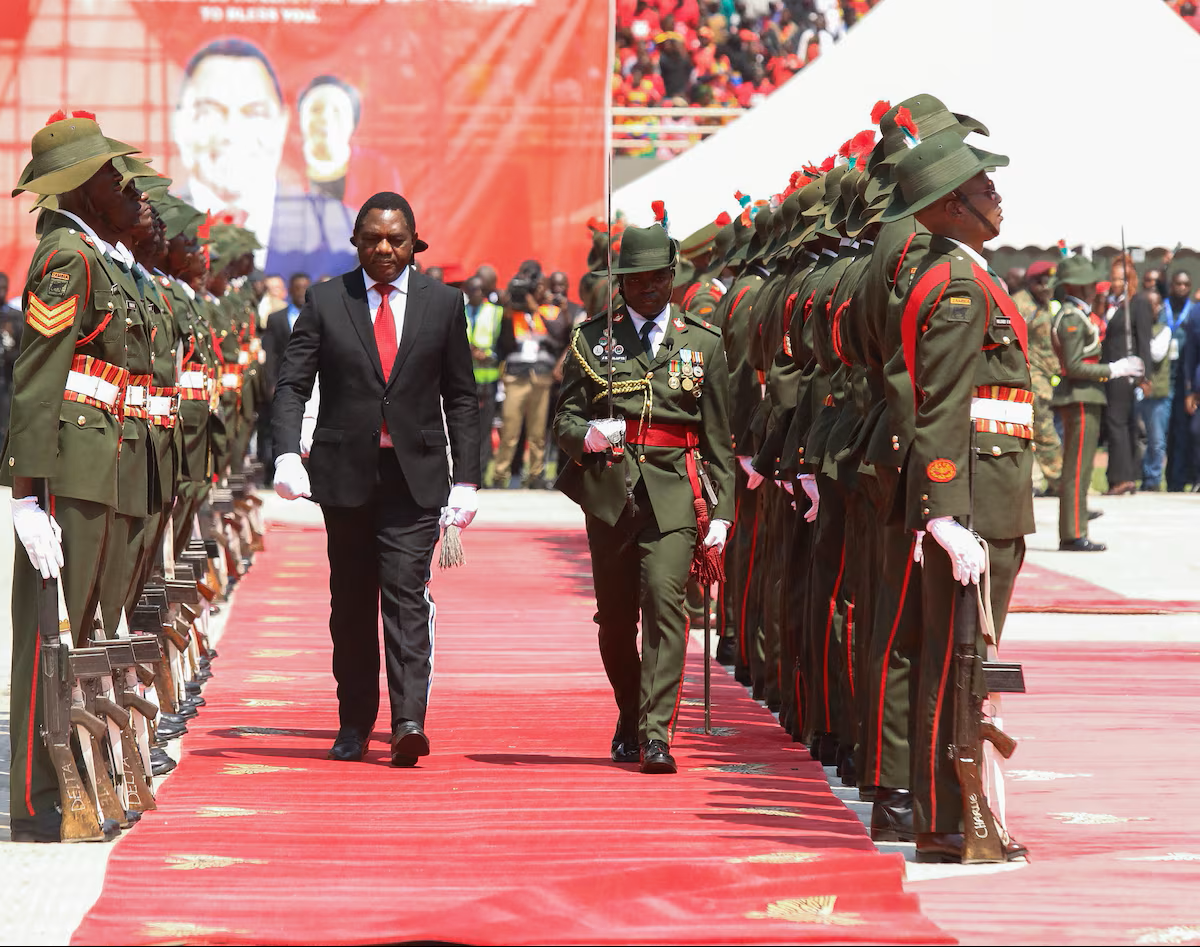
Zambia’s President Hakainde Hichilema was sworn in for a second term on Tuesday, while his main rival was in prison on treason charges, the conclusion of a chaotic vote observers said was marred by serious irregularities.
Hichilema came to power in 2021 pledging a democratic break from a government he accused of rigging elections and jailing opponents.
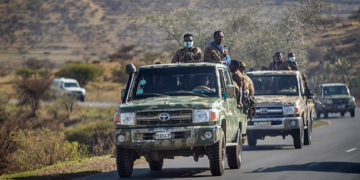
But observers have cited a number of irregularities during and after the August 13 election, including fiddling with the vote tally, the arrest of opposition lawmakers, the posting of soldiers at polling stations and the shutting down of courts, while runner-up Brian Mundubile and his running mate, Makebi Zulu, were both charged with treason over the weekend.
Zambia, a major copper producer, is a focus of competition between China and the United States on account of its mineral wealth. Both Beijing and Washington congratulated Hichilema on his win and sent representatives to his inauguration.
Zambia has held regular, if flawed, elections since the 1990s. Analysts said the latest could set a precedent that makes it easier for future leaders to entrench their power, rather than deliver the democratic renewal Hichilema had promised.
“Zambia’s democratic credentials are in peril. We have never experienced this kind of confusion,” said historian Euston Chiputa, referring to the suspension of vote counting, the positioning of the military at counting centers and the subsequent arrests of opposition members.
UNANSWERED QUESTIONS SURROUND OPPOSITION ARRESTS
Reports by international and local election observers found indications that votes were added to Hichilema’s tally, although they all found that he would have won regardless.
Asked about such criticism, the Electoral Commission of Zambia told Reuters that the courts should examine any allegations of discrepancies.
But as the deadline approached for such a case to be filed last week, Zambian authorities barred access to the courts and later said that no complaint had been received.
Authorities have provided few details about their claims against Mundubile and around a dozen other opposition members who were jailed, saying only that they were linked to suspected national security threats and that some had been in possession of weapons. They provided no evidence for the assertion.
A lawyer for the accused said they would defend themselves in court.
INVESTORS LOOK PAST TURMOIL
The reports of election irregularities and the detention of opposition figures have done little to dent investor appetite.
Since the election, Zambia’s eurobonds have returned 0.8% in dollar terms, outpacing the Africa average of 0.3%, according to JPMorgan bond index data.
Citi upgraded Zambia’s international bonds to overweight days after the vote and said it plans to buy local government debt, while foreign investors who had pulled back before the election have since returned.
Hichilema steered Zambia through a debt restructuring and economic recovery in his first term, making him the preferred choice for investors seeking policy continuity.
“There might be a bit of short-sightedness here,” said Christopher Vandome, a senior research fellow at Chatham House.
“Longer term, this isn’t really a good example of the institutional strengthening … that can lead to long-lasting investment environments.”