




























Zambia is aiming to agree a new International Monetary Fund programme by the end of the year as it seeks to boost investment and growth after emerging from a sovereign debt default, Finance Minister Situmbeko Musokotwane said on Thursday.
The copper-rich Southern African country’s previous $1.7 billion IMF programme ended in January, with the funding underpinning Zambia’s debt restructuring.
“Our wish is that certainly before the end of the year, we should have agreed with the Fund,” Musokotwane told Reuters in an interview.
“We need to do more than just get out of the debt crisis. We need to attract investments now so that growth takes place and jobs are created,” Musokotwane added.
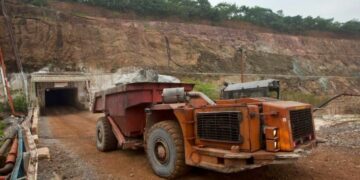
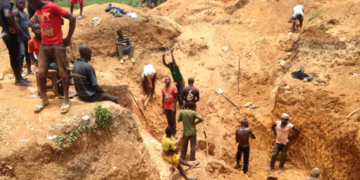
A new programme will centre on channelling capital into mining, energy and agriculture to fund job creation for a population that has grown sevenfold since independence, he said.
That also meant it was “too soon” for a new international bond issuance, with the government wanting to cement its IMF relationship and rebuild investor confidence before seeking fresh market financing.
Following a staff team visit to Lusaka between April and May, the IMF said discussions on a new programme had advanced and were expected to continue after a general election in August.
TAILWINDS AND RISKS TO GROWTH
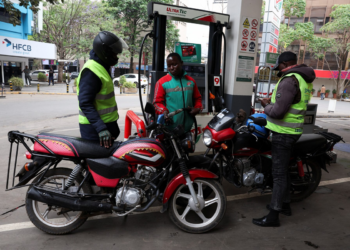
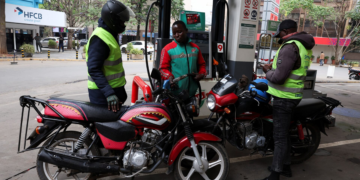
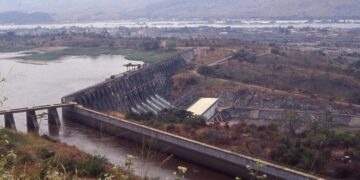
On the economic outlook, Musokotwane pointed to risks to growth including potential fuel price rises linked to the U.S.-Israeli war with Iran and a possible drought next year that could strain hydropower generation.
However, surging global copper demand and a wave of new mining investment would support growth, he said.
In its September budget, the government forecast 6.4% growth this year, while the IMF has twice trimmed its 2026 outlook, pegging it now at 4.3%, citing weaker mining output, energy constraints, a normalisation of agriculture after an exceptional 2025 harvest and fallout from the Middle East crisis.
Musokotwane said demand for metals including copper “is going to give us a big surge in terms of growth in the coming few years”.
He said priorities for the next administration following the August 13 election, included reforms on tax.
“We have to push hard on more tax revenue collection, not by imposing new taxes but by encouraging and pushing through higher efficiency,” he said.
Musokotwane has been finance minister since 2021, overseeing the restructuring of roughly $13 billion in external debt after Zambia became the first African country to default during the pandemic.