





























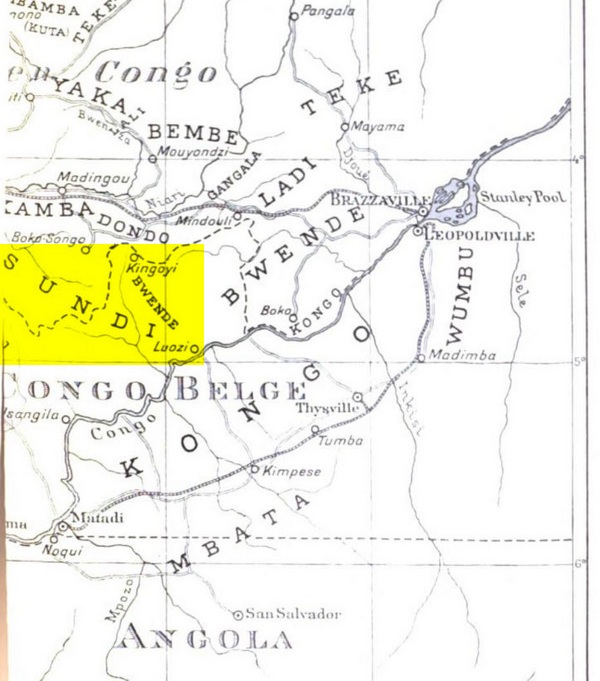
The Sundi, sometimes referred to as the Nsundi or Basundi, are one of the largest subgroups of the Kongo people (or Bakongo). Their geographic presence is concentrated in Central Africa, specifically in the area between the Democratic Republic of Congo, the Republic of Congo, and the Angolan enclave of Cabinda. They represent a model of a society that has maintained its traditional structure despite the political and colonial transformations that have swept through the region, and they form a vital part of the linguistic and social fabric of the Congo River basin.
The Sundi trace their origins to the great migrations of the Bantu peoples who moved from North and Central Africa towards the South and West. Historically, the Sundi name is associated with the Great Kingdom of Kongo, which flourished between the 14th and 19th centuries. They constituted one of the key provinces in the kingdom’s administrative structure and were known as a source of warriors and local rulers.
During periods of expansion, the Sundi moved towards the highlands and forested areas, resulting in slight cultural differentiation from the other Bakongo groups inhabiting the coasts or plains. This migration was linked to the search for more fertile agricultural land and to escape the centralised conflicts in the capital, Mbanza Kongo. With the encroachment of colonial powers (Portuguese, Belgian, and French) in the 19th century, the Sundi found themselves divided by artificial political borders drawn by the Congress of Berlin, resulting in their distribution across three modern states.
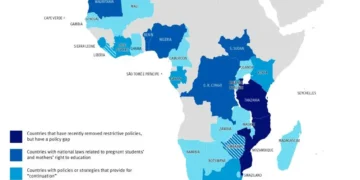
The Sundi are distributed across a strategic geographical triangle: (1) the Democratic Republic of Congo, where they are concentrated mainly in the Kongo Central Province (formerly Bas-Congo), specifically in areas such as Seke-Banza and Luozi territories; (ii) the Republic of Congo (Brazzaville), where they are present in the southern regions, particularly in the Nyari and Poinza provinces; and (iii) Angola, where a small number of them reside in the oil-rich Cabinda exclave, where they intermingle with the Yombe (or Bayombe) and Woyo ethnic groups.
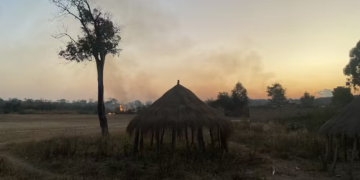
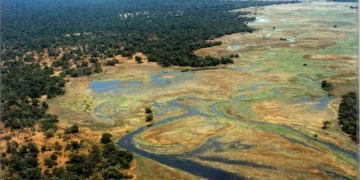
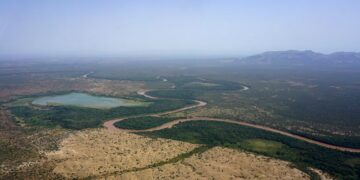
Their territory is characterised by diverse topography, ranging from dense tropical forests to rugged mountainous regions. This has directly influenced their relatively isolated lifestyle during certain historical periods and has protected them from direct external influences for longer periods compared to their neighbours.
According to sources, the Sundi society adheres to a strict matrilineal social system. In this system, inheritance and clan affiliation are passed down through the maternal line, not the paternal. The maternal uncle (brother of the mother) is the most powerful and influential figure in the lives of the children, responsible for marriage decisions, land distribution, and resolving family disputes.
The basic social unit is the kanda, a clan that unites individuals who believe they are descended from a common female ancestor. Each clan has its own totem and oral history that defines its identity. This system does not completely eliminate the role of the father, but it ties political and economic loyalty to the matrilineal family. It is a system that is prevalent among most Congolese peoples but is most pronounced among the Sunde in rural areas.
The Sundi speak Kisundi (or Kisuundi), a major dialect of Kikongo. Kisundi is distinguished by its unique phonetic and grammatical features, setting it apart from the neighbouring Manyanga and Ntandu dialects. Kikongo is itself a transboundary language, holding national status in both the Democratic Republic of Congo and the Republic of Congo.
Kisundi is used for daily communication and in traditional rituals. However, due to the education system, most Sundi are fluent in French, their official language, as well as Kituba (or Munukutuba, a simplified form of Kikongo used for interethnic trade in the region). The language has been preserved through oral traditions and proverbs, which form the backbone of Sundi social discourse.
Historically, the Sundi economy has relied on subsistence farming. Major crops include cassava (manyoke), the staple food used to make fufu; bananas and plantains cultivated extensively in forested areas; peanuts and maize used as supplementary crops.
Besides agriculture, the Sundi people excelled at hunting and fishing in the smaller tributaries of the Congo River. They were also known for their distinctive pottery and raffia textiles. In modern times, many have taken up cultivating cash crops such as cocoa and coffee, and a significant portion of the younger generation has migrated to major cities like Kinshasa and Brazzaville to work in the service and trade sectors, creating a working and educated class that contributes to the support of rural areas through remittances.
For the Sundi people, art is primarily functional and spiritual, not just decorative. Their artistry is evident in several areas, such as wood carving. Sundi carving tends toward anatomical realism with symbolic touches. Their funerary statues, placed on graves, express the deceased’s status and connection with the world of the living. Their masks are used in rites of passage (circumcision and the transition of young men into manhood) and in traditional judicial ceremonies. Their music and dance are characterised by complex percussion instruments and the use of large drums for communication between villages over long distances. Their dances are often communal, intended to strengthen clan ties.
The Sundi people did not easily submit to colonial control. During the Belgian period, their regions were the scene of numerous rebellions against forced labour on railways and rubber plantations. This resistance drew its strength from clandestine organisations and strong clan bonds. Following independence in the 1960s, the Sondi political elite became involved in building modern states. In the Democratic Republic of Congo, they played a prominent role in nationalist movements. In the Republic of Congo, they contributed to shaping the political and economic landscape, particularly during the ideological shifts of the 1970s and 1980s. However, they continued to face challenges at times due to ethnic conflicts over central power.
Among other challenges is urbanisation, as the migration of young people to cities weakens the matrilineal kinship system and erodes knowledge of language and oral traditions. Deforestation for mining or commercial agriculture threatens the lands to which they have been spiritually and economically connected for centuries. The Sundi-populated areas of Cabinda and the Congolese border have been affected by armed conflict and political instability, leading to waves of internal displacement. Also, they face challenges of balancing the preservation of Kisundi and clan traditions with the demands of modern life and education.