














The Welayta people (Wolayta or Wolaitta) are one of the most prominent and ancient ethnic groups in southern Ethiopia, possessing a long and rich political and social history that significantly shaped the regional state of “Southern Nations, Nationalities, and Peoples’ Region.” The Welayta are concentrated in the Welayta Zone, an administrative region that bears their name and is characterized by its high population density and strategic and economic importance stemming from its geographical location and the dynamism of its inhabitants.
The Welayta people have a long history of self-governance prior to their integration into the modern Ethiopian state. The Kingdom of Wolaita was a powerful and well-organized political entity for centuries, ruled by successive dynasties, most notably the Welayta-Mala dynasty and the Tigray dynasty, which ruled until the end of the 19th century.
The kingdom was characterized by a sophisticated centralized administrative system and a well-organized army that was able to protect its borders for extended periods. However, the kingdom’s independence ended in 1894 after bloody wars waged by Emperor Menelik II to unify the regions of Ethiopia. The fall of King Kawo Tona Gaga, the last ruler of the Welayta, was a pivotal moment in their history, as they transitioned from a sovereign entity to part of the Ethiopian Empire, bringing about profound changes in their social and economic structure.
The Welayta people belong linguistically to the Omotic language family, a branch of the Afro-Asiatic languages found exclusively in southwestern Ethiopia. Their language, called Wolaytta, is a means of communication and the vessel that has preserved their oral traditions and customary laws.
Anthropological studies indicate that the Welayta share cultural and linguistic characteristics with neighboring groups such as the Melo, Oyda, and Gamo-Gofa-Dawro, but they maintain a distinct identity stemming from their former royal heritage and rigid social organization.
According to sources:
“The Welayta people use many proverbs. A large collection of them was published in 1987 (Ethiopian calendar) by the Academy of Ethiopian Languages. Fikre Alemayehu’s 2012 MA thesis from Addis Ababa University provides an analysis of Wolaytta proverbs and their functions.”
“Wolaita people used different type of currencies through their kingdoms for trade purpose. Among them Karetta Sinna and Shalluwa, both of the products of cotton, are the priors. But next to this currencies Wolaita people achieved one of the most important civilizations in the sphere of currency and created a currency made from metal pieces, which is called Marchuwa…”
Welayta society is characterized by a complex social and class system that reflects their long history of exercising power and crafts.
Historically, society is divided into distinct classes. There is the freemen class that owned land and held political and military positions. The specialized castes, which include blacksmiths, tanners, and weavers. Despite the vital role these groups have played in the economy, they have historically faced social marginalization and restrictions on intermarriage with other castes—a sociological pattern common in many Ethiopian highland communities.
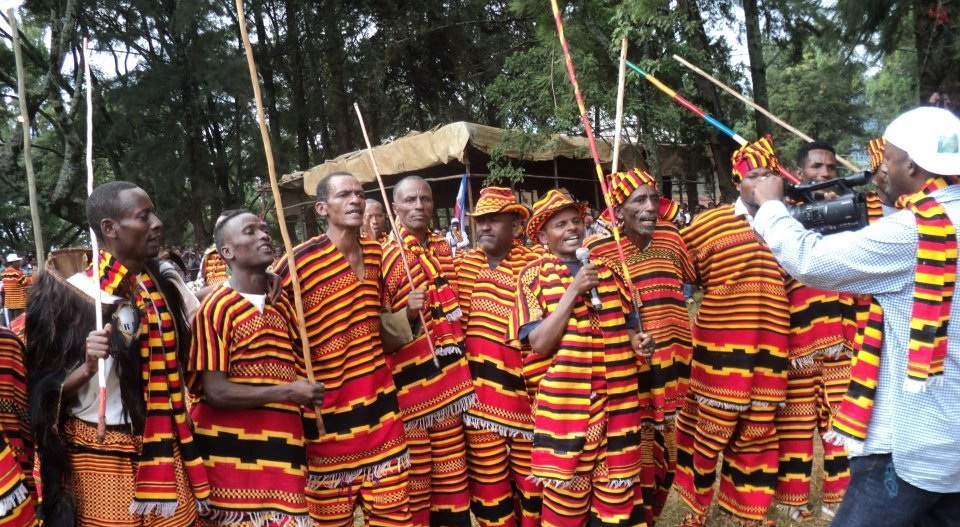
The Welayta people are known for their adherence to collective traditions, with music and dance being key elements of their identity. The traditional Welayta dance, characterized by rapid hip and shoulder movements, is one of the most popular dances in Ethiopia and is performed at national and religious festivals.
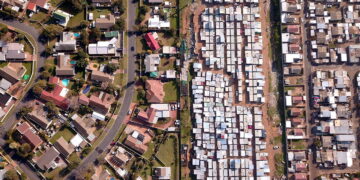
Livelihoods in the Welayta region depend almost entirely on mixed farming (crops and livestock). Due to the high population density, the agricultural land there is among the most cultivated and productive in the country.
The enset plant, also known as the false banana, is the primary strategic crop. This plant’s stems and roots yield a pulp that, after fermentation, becomes a staple food called kocho. Enset provides food security for the population due to its drought resistance and long shelf life.
The region faces a chronic challenge of land fragmentation. Due to population growth, parents are forced to divide their already small plots of land among their children, reducing production efficiency and driving many young people to migrate to the capital, Addis Ababa, to work in the textile and construction sectors.
The religious landscape of Welayta underwent a radical transformation during the 20th century. After centuries of traditional beliefs centered on nature and spirits and a limited practice of Orthodox Christianity, Protestantism (known locally as P’ent’ay) spread widely.
Today, the majority of Welayta’s population is Protestant, and churches have played a significant role in spiritual matters and in providing education and healthcare, contributing to a higher literacy rate in the region compared to other areas.
In contemporary Ethiopian politics, the question of identity and governance stands out as one of the most important issues for the Welayta people. For many years, the Welayta region was part of the “Southern Nations, Nationalities, and Peoples’ Region” (SNNPR), but there is an ongoing movement demanding that their region be transformed into an autonomous region (a regional state) within the Ethiopian federation.
These demands are based on a large population exceeding millions, the independent political history of the ancient kingdom, and the desire to manage local resources and for broader national recognition of their language and culture. These ambitions have sometimes led to political tensions and protests, reflecting the sensitivity of ethnic balances in Ethiopia.
The Welayta region boasts a diverse climate, ranging from cold highlands to temperate plains, allowing for a wide variety of crops. However, demographic pressures have led to soil erosion and a decline in forest cover, prompting development organizations to focus on land reclamation and sustainable agriculture programs.