











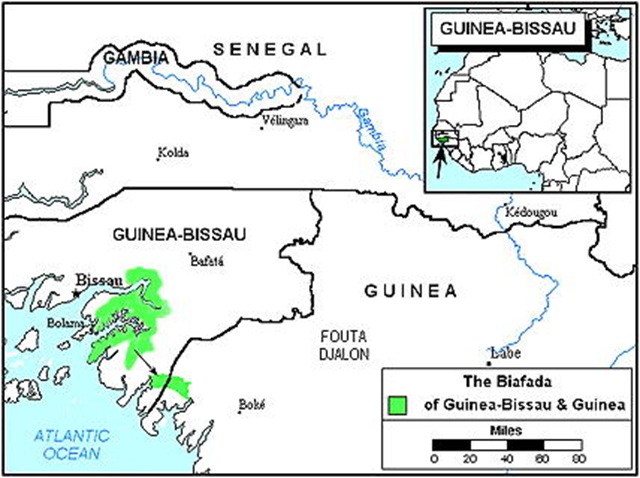
The Biafada people are a prominent ethnic and historical group in West Africa, particularly in Guinea-Bissau, with smaller populations in neighbouring Senegal and The Gambia.
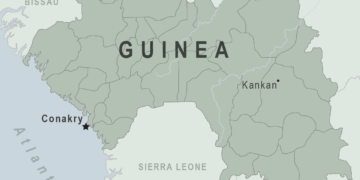
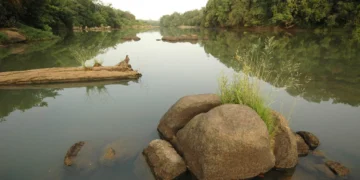
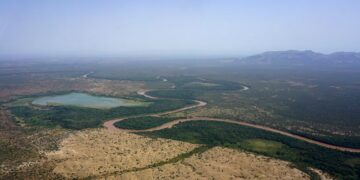
Historical and anthropological studies indicate that the Biafada’s original homeland and main demographic centre are located in southern and central Guinea-Bissau, specifically in areas such as Quinara and Tombali, and along the banks of the Corubal and Geba rivers.
In the pre-colonial period, between the 13th and 17th centuries CE, the Biafada were part of complex political and trade networks. Their history is closely linked to the Kaabu Empire, a vassal state of the ancient Mali Empire dominated by the Mandinka ethnic group. As a result of this dominance and geographical overlap, the Biafada were deeply influenced by Mandinka culture and political systems, leading to structural transformations in their societies.
The Biafada presence in Senegal and The Gambia is the product of multifaceted migration patterns. Some were driven by commercial expansion and the search for new agricultural lands, while others were linked to fleeing armed conflicts and religious wars (such as the Fulani jihads of the 19th century), as well as the artificial colonial borders drawn by French, British, and Portuguese powers, which fragmented ethnic groups along modern political lines. In Senegal, the Biafada are primarily found in the southern Casamance region, while in The Gambia, they are scattered in small pockets among larger ethnic groups such as the Mandinka and Wolof.
The Biafada language (also called Beafada, Ganjoola, or Bidyola) belongs to the Niger-Congo language family, specifically the North Atlantic branch. This classification places their language in structural kinship with neighbouring languages such as Balanta, Manjak, and Diola (also Jola/Joola) and, to a lesser extent, Fula.
Despite this linguistic origin, long-term cultural interaction with the Mandinka people (who speak a language belonging to the Mande branch) has resulted in extensive linguistic borrowing. Currently, most Biafada speak other languages in response to the demands of socioeconomic integration.
In Guinea-Bissau, the majority of Biafada speak Guinea-Bissau Creole, a Portuguese-based hybrid language that serves as the country’s lingua franca. In Guinea-Bissau, the majority speak Guinea-Bissau Creole, a hybrid language based on Portuguese and the lingua franca of the country. In Senegal and Gambia, many tend to adopt Mandinka or Wolof as their first or second language, which threatens the native language of the Biafada with gradual decline among younger generations outside the homeland.
The social organisation of the Biafada people was characterised by a hierarchical system influenced by the monarchical systems of the Kaabu Empire. Society was divided into distinct classes, including nobles and warriors, followed by free farmers and artisans, then traditional craft classes (such as blacksmiths and folk singers). At the bottom of the social ladder was the slave class, a product of wars or debts before the abolition of slavery.
The Biafada kinship system is primarily patrilineal, with wealth, social status, and family names passed down through the male line. The extended family serves as the basic economic and social unit in the village.
Local affairs are traditionally managed by a council of elders and heads of families, with the “village chief” holding guiding authority supported by custom, although this traditional authority has eroded over time in favour of modern government structures in the three countries.
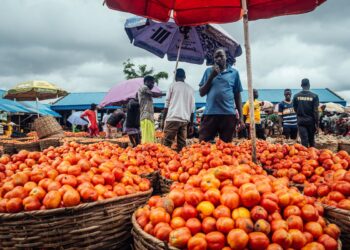
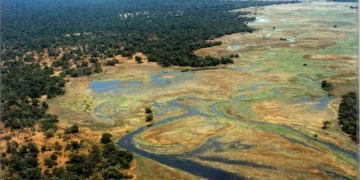
The Biafada people’s traditional subsistence economy is based on agriculture, benefiting from the geography of their region, which is rich in waterways and abundant seasonal rainfall. Rice is the primary food crop, grown in the lowlands and swamps adjacent to rivers using traditional drainage techniques.
The Biafada also cultivate peanuts (historically a prominent cash crop during the colonial era), maize, and cassava, in addition to harvesting oil palm fruit and extracting its oils. In recent decades, in line with Guinea-Bissau’s economic transformation, many Biafada farmers have engaged in cashew nut cultivation and export, which is now the main source of cash income for rural households. Due to their proximity to river systems, some of the population engages in local fishing. The Biafada have also historically been known for their trading skills, acting as intermediaries between coastal and inland African peoples.
Today, the vast majority of the Biafada people adhere to Islam.
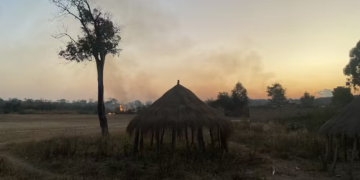
The material culture of the Biafada people is reflected in their rural architecture, clothing, and music. Their traditional dwellings are round or rectangular mud houses with conical thatched roofs, designed to withstand heavy tropical rains, although modern materials such as zinc and concrete are rapidly encroaching on villages.
In music and dance, the Biafada possess a rich heritage associated with celebrations and social occasions such as circumcisions, weddings, and funerals. Their music utilises a variety of percussion instruments, as well as stringed and cymbal instruments similar to those used by the Mandinka (such as the kora and balaphone in some mixed areas). Music serves as a means of preserving oral history and transmitting community values from generation to generation.
The Biafada people in the three countries where they reside (Guinea-Bissau, Senegal, and The Gambia) face common challenges related to the development conditions in West Africa as a whole, along with specific challenges concerning the preservation of their identity:
Given the Biafada’s relatively small demographic weight compared to ethnic groups such as the Balantes and Fula in Guinea-Bissau, or the Mandinka and Wolof in Senegal and The Gambia, there is a persistent trend toward cultural assimilation. This is particularly evident in major urban centres like Bissau, Ziguinchor, and Banjul, where younger generations are abandoning their ancestral language in favour of more widely spoken languages. This situation places the Biafada language among the languages threatened with extinction in the long term if current rates of decline continue.
In Guinea-Bissau, the Biafada, like other population groups, have suffered from the chronic political instability that has plagued the country since its independence from Portugal in 1974. This instability has led to the deterioration of educational and health infrastructure in their historical regions, prompting many young people to migrate internally to the capital or externally to Senegal, Europe, and neighbouring countries in search of employment opportunities.
The Biafada are a prime example of African peoples divided by colonial borders. This situation grants them flexibility in movement and mobility between the three countries and fosters informal cross-border trade. However, it also sometimes places them in complex situations related to national identity and citizenship, particularly during periods of political tension or regional security crises (such as the long-standing conflict in Senegal’s Casamance region, which has indirectly affected population groups on both sides of the border).