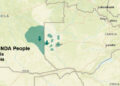




























The Moba people (also known as the Bimoba in Ghana) are an ethnic and cultural group settled in the geographical area between northeastern Ghana and northwestern Togo, with smaller population pockets in Burkina Faso. They belong to the Gur language group, specifically the Gurma subgroup, which is part of the Niger-Congo language family.
Written historical records lack precise documentation of the Moba’s origins, making oral traditions and comparative linguistic studies the primary sources for tracing their ancestry. Anthropological literature suggests that the Moba originated in the Benue River basin or areas of ancient West Sudan before migrating westward.
According to prevailing oral traditions, the major Moba migration began from Fada-Gourma (in present-day Burkina Faso) following the collapse of the Gourma kingdom in the early 15th century, specifically around 1420, while other accounts suggest their movements continued until the late 17th century. The migrating groups moved south in search of arable land and safe havens from military conflict. During these movements, they faced military pressure from neighbouring expansionist kingdoms such as the Mambrosi and Dagomba, who at times employed Chakosi fighters. This forced the Moba to settle in the remote, mountainous regions they inhabit today.
This settlement resulted in interaction and integration between the migrating groups and other local groups. This fusion formed the current identity known as the “Bimoba” in Ghana. Their choice of rugged and remote areas was driven by a desire to avoid direct confrontation with the larger, centralised kingdoms, allowing them to maintain their cultural and social independence.
The social organisation of the Moba people is decentralised. Historically, their society is classified as “acephalous”, meaning it is not subject to absolute monarchy or a rigid, unified hierarchical system of government. Instead of a single ruler for the entire group, the social structure revolves around a system of clans and extended families led by clan elders.
The clan is the basic unit of identity and enduring loyalty. These clans (such as the Luok, Gnadaung, Dikperu, Puri, Tanmung, Gbong, Labsiak, Kunduek, Buok, the Baakpang, Turinwe, Nabakib, Naniik, Poukpera, Maab, and Kanyakib) are distributed across various geographical locations based on population density and areas of agricultural influence. Despite the absence of a central authority, the clans are bound together by shared traditions and historical figures, most notably the figure of Turiŋme, the founding ancestor whose migration narrative is recognised by most clans as the first pivotal event in their unified history.
The society is patriarchal, with ownership and lineage passed down through the paternal line. Men manage public affairs and inter-clan relations, as well as performing arduous tasks such as farming and crafting. In contrast, women play vital roles that include managing homes, decorating the exterior walls of dwellings, making pottery, and actively contributing to economic activities through local markets.
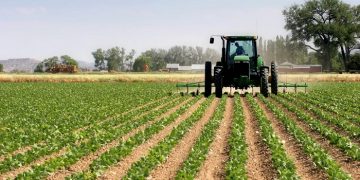
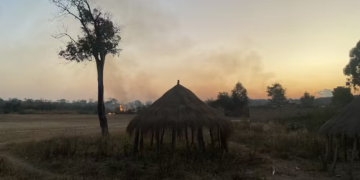
Agriculture forms the backbone of the Moba people’s economy. The majority of the population practises subsistence farming, utilising the plains and highlands of the savannah region of northern Togo and the Garu-Tempane, Bunkpurugu-Nakpanduri, Yunyoo-Nasuan, and Nalerigu districts in Ghana. The main crops grown include cereals such as sorghum, millet, and maize, as well as pulses and tubers like yam.
Farming methods rely heavily on traditional tools and crop rotations linked to the dry and wet rainy seasons of sub-Saharan Africa. Alongside crop production, the Moba raise cattle, sheep, and poultry, which serve not only as economic assets but also in social exchanges and religious rituals.
Craft activities complement the community’s economic landscape. Men are renowned for their woodcarving skills, a craft passed down through generations within families, using traditional tools to produce household items and artistic sculptures. Weekly markets play a central role in connecting Moba communities with each other and with traders from neighbouring ethnic groups, facilitating the exchange of agricultural and artisanal goods.
The religious landscape of the Moba people today ranges from Christianity to Islam and traditional beliefs, which still exerts a profound influence on daily practices and the value system of the community.
A long, secretive educational and spiritual process through which an individual receives a specific rite name. This is available to both men and women at their own discretion. A ritual practice aimed at establishing lasting connections with ancestral guides and establishing their shrines.
Marriage rituals include complex mechanisms and laws for regulating intermarriage between clans and establishing marital rights. There are also funeral rites, which are crucial transitional rites to ensure the deceased’s soul passes peacefully to the ancestral realm.
The Moba people have faced numerous challenges stemming from the colonial demarcation of the border between Ghana (formerly under British rule) and Togo (formerly under French and German rule). This border divided the group’s historical territory, forcing their communities to navigate two different legal, administrative, and linguistic systems (French in Togo and English in Ghana). Despite this political fragmentation, individuals regularly cross the border to participate in family events, funerals, and weekly markets, maintaining a sense of community.
Recent decades have seen intermittent conflicts over land and traditional authority between the Bimoba and some neighbouring groups in northern Ghana due to competition for limited agricultural resources and official recognition of traditional leaders. Successive governments and NGOs have made repeated efforts to establish lasting peace and resolve border and clan disputes in the region.
From a developmental perspective, the Moba-inhabited areas in both countries suffer from relatively weak infrastructure and basic services compared to the more developed southern regions. The population is increasingly relying on education and internal migration to major cities such as Accra and Tamale in Ghana and Lama-Kara and Lomé in Togo in search of new job opportunities, which is contributing to gradual changes in the traditional lifestyle of young people, while the community continues to hold fast to its clan values and its distinctive artistic and religious heritage.