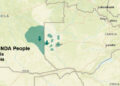





















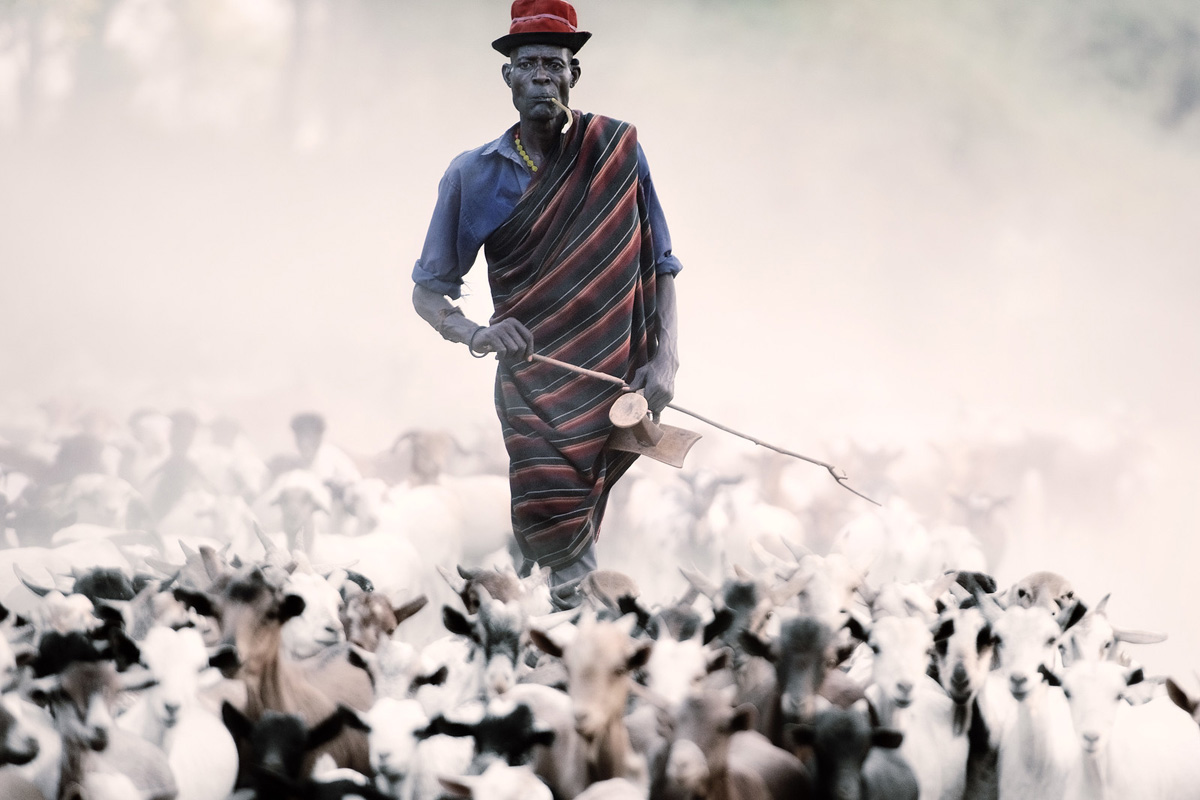
The Nyangatom are a semi-nomadic pastoral ethnic group inhabiting the Horn of Africa, specifically the strategic border region between southwestern Ethiopia (in the Lower Omo Valley) and southeastern South Sudan (mainly in the Ilemi Triangle and surrounding areas). The Nyangatom belong to the Nilotic group, specifically the Ateker cluster, which also includes other groups such as the Turkana in Kenya, the Karamojong in Uganda, and the Toposa in South Sudan. They speak Nyangatom, an East Nilotic language closely related to the Toposa and Turkana languages.
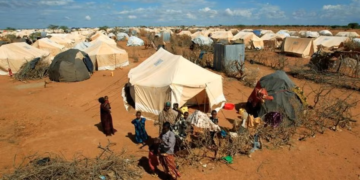
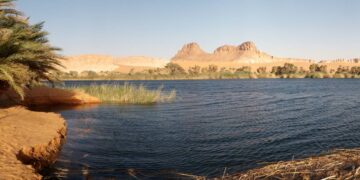
The geographical environment inhabited by the Nyangatom is characterised by extreme aridity and a semi-desert climate, with low rainfall and frequent, prolonged droughts. This harsh environment has necessitated a lifestyle based primarily on nomadic herding and opportunistic agriculture along the banks of rivers during floods, particularly the Omo and Kibish rivers. Following water sources and grazing lands is the primary driver of their seasonal movements, which in turn shapes their social and political relationships with their neighbours.
Economically, livestock, particularly cattle, sheep, and goats, is the cornerstone of living for the Nyangatum people. Livestock are not only a source of food through milk, blood, and meat but also a measure of wealth and social status, the primary means of paying dowries in marriages, and a key element in traditional legal systems for resolving disputes through compensation. In addition to herding, the Nyangatom practise small-scale subsistence farming in floodplains, cultivating sorghum and beans after the floodwaters recede. This practice is vital for ensuring food security during droughts when milk production from livestock decreases.
The social structure of the Nyangatom is a complex system based on age and generation divisions, a system common among other Ateker groups. Society is divided into specific age groups, through which individuals (especially males) pass via rigorous rites of passage. These categories grant rights and duties, defining the transition from childhood to warriorhood (the young men tasked with protecting flocks, raiding, and securing grazing lands) and finally to the stage of “elders” or wise men who assume political decision-making authority, manage conflicts, and conduct religious and social rituals. This hierarchical system ensures social cohesion in the absence of a formal central authority.
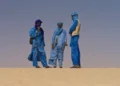
Ornamentation and physical aesthetics are of importance in the visual culture of the Nyangatum, serving to express identity, social status, and personal achievements.
The Nyangatom are known for being one of the most militaristic groups in the region. This is linked to the existential struggle for limited resources in and around the Omo Valley. In the late 20th century, particularly during the 1970s and 1980s, they were among the first groups in the region to acquire modern firearms (such as Kalashnikov rifles), a consequence of the civil wars in neighbouring South Sudan and the resulting influx of weapons across the border. This technological shift dramatically altered the local balance of power, giving them an advantage over neighbouring groups, such as the Daasanach, Mursi, and Kara, who still relied on traditional weapons like spears and bows.
The acquisition of firearms intensified the already brutal conflicts surrounding cattle rustling and control of grazing lands and water sources. Cattle raiding is not merely an economic activity to compensate for losses caused by drought; it is also a cultural ritual that proves a young man’s worthiness and ability to pay dowries. However, these practices, coupled with the use of modern weapons, have led to ongoing cycles of retaliatory violence, resulting in significant loss of life and the forced displacement of some of the region’s most vulnerable groups.
In recent decades, the Nyangatom people have faced increasing pressure from development and modernisation projects led by the Ethiopian government in the Lower Omo Valley. The construction of large dams, such as the Gilgel Gibe III Dam, has significantly altered the region’s ecosystem. Regulating the river’s flow has eliminated the natural seasonal flooding upon which the Nyangatom relied for their traditional farming practices. Simultaneously, the government has allocated vast tracts of land for large-scale commercial plantations of sugarcane and cotton, further reducing the traditional grazing areas available for their herds.
These projects are accompanied by government policies aimed at settling pastoralist groups and shifting their lifestyle from nomadic to settled agriculture. The authorities view these policies as a means of integrating these groups into the national economy and facilitating access to essential services such as education and healthcare, as well as establishing security, control, and border management. Conversely, the Nyangatum and anthropological analysts argue that these measures threaten the economic and cultural foundations of their identity and increase their vulnerability to climate change by depriving them of their primary coping mechanism: movement and migration.
Politically and administratively, the Nyangatom are divided between two countries with internationally drawn borders that are practically porous and open on the ground. In Ethiopia, their homeland lies within the Southern Omo region of the Southern Nations, Nationalities, and Peoples’ Region. In South Sudan, they reside in Eastern Equatoria State. This international division makes them susceptible to the political and security instability in both countries. During the civil wars in Sudan and later South Sudan, their territories were used as military corridors and strategic locations by various warring parties, impacting their internal stability and deepening their dependence on the arms economy.
The Nyangatom regions suffer from a severe lack of infrastructure and basic development services, such as schools, medical facilities, and potable water projects, as a result of the historical geographic and political marginalisation of border areas in both countries. Illiteracy rates remain extremely high among them, and reliance on traditional medicine and tribal customs continues to dominate daily life, largely independent of formal state institutions, which often manifest as security forces or the army to resolve armed conflicts.
Traditional mechanisms exist for establishing truces, trade, and the exchange of goods between the Nyangatom and surrounding groups. For example, the Nyangatom exchange crops and livestock with their neighbours in local markets when security conditions permit, and traditional peace councils are held among tribal elders to settle bloodwit and establish common terms for grazing land use during acute crises.