























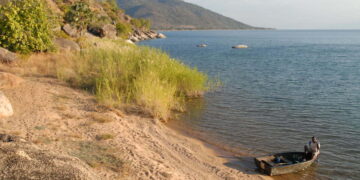



The Tonga people of Malawi, also called Nyasa Tonga or Lakeside Tonga to distinguish them from groups of the same name in Zambia and Zimbabwe, are a prominent ethnic group inhabiting the northern shores of Lake Malawi. Their population is concentrated in the Nkhata Bay district of the Northern Region.
Historical and anthropological studies suggest that the Tonga people are part of the larger migrations of Bantu peoples southward. Historians tend to view them as a group that arose from the fusion of local elements with migrants who settled along the lake’s shores in search of water resources and security.
In the 19th century, the Tonga faced major existential challenges from raids by the Ngoni people from the south. Due to their decentralised nature, the Tongans utilised the rugged terrain, dense forests, and marshlands surrounding the lake as defensive shields. This history of resistance and escape contributed to the strengthening of their identity as an independent group that resisted submission to strong, centralised monarchies, a characteristic later reflected in their political and social structure.
The traditional Tongan political structure is highly decentralised. Throughout their history, they have never had a king or paramount chief who controlled all clans. Instead, power was distributed among local village and clan chiefs. The “village chief” manages daily affairs and resolves minor disputes. His legitimacy rests on the seniority of his clan in the region and his ability to protect his followers.
The Tonga followed a matrilineal system, where inheritance and affiliation are passed down through the maternal line. However, due to prolonged contact with the Ngoni (patriarchal) peoples and the influences of colonialism and Christian missions, a gradual shift towards a patriarchal system occurred in many communities, creating a complex mix of customary rules that govern inheritance and marriage today.
This tendency towards individualism and political independence led to the Tonga people being described in colonial literature as a people difficult to subject to a unified administrative system, a characteristic that scholars explain as a natural consequence of the absence of rigid class structures in their society.
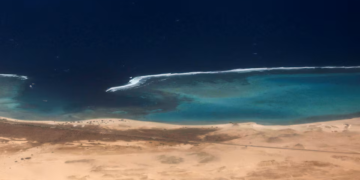
The economy of the Tonga people is closely tied to their geographical environment on the shores of Lake Malawi.
The lake is the primary source of protein and income. The Tonga have developed advanced fishing techniques suited to the depth of the lake in the Nkhata Bay region. Fishing for Usipa and Utaka fish is a communal activity involving men and young people, while women handle drying, salting, and marketing.
Unlike most Malawians who rely on maize as their staple crop, Tonga people are known for cultivating cassava, a strategic crop that has ensured their food security during periods of drought and war. They also grow bananas, sweet potatoes, and some vegetables.
Since the early 20th century, Tonga people have emerged as one of the African peoples most inclined to migrate for work. Due to their early educational success, many migrated to the mines of Zambia, Zimbabwe, and South Africa as manual labourers, clerks, administrators, and teachers. Remittances from these migrants contributed to raising the standard of living in the villages of Nkhata Bay and enabling the construction of modern houses earlier than in other regions.
The Tongas quickly recognised that modern education was the most effective means of improving their standing under the emerging colonial system. They established schools in collaboration with missionaries, producing a class proficient in English and administrative skills. This eagerness for education was also a tool for strengthening their independence, as an educated person could deal directly with the British administration. As a result, Tongas held important administrative positions in Nyasaland (present-day Malawi) and neighbouring colonies, earning them a reputation as an “intellectual and independent elite”.
The Tonga people speak Chitonga, a Bantu language. Although there is some linguistic overlap with the neighbouring Tumbuka language, Chitonga retains its own distinct phonetic and grammatical characteristics.
The Malipenga dance is the most famous expression of Tonga culture. Originating in the late 19th and early 20th centuries, it was inspired by the military parades and brass bands of colonial armies, but the Tongas incorporated African drumming and expressive body movements. This dance is performed at social events and national celebrations, reflecting a spirit of organisation and collective pride.
Traditional Tonga cuisine is characterised by its simplicity and reliance on local resources. The staple dish is Kondowole, a dough made from fermented cassava flour, usually served with fresh or dried lake fish. Offering a guest chambo or utaka fish is considered a sign of hospitality and respect.
The Tonga played a role in the struggle for Malawi’s independence that far exceeded their population size. They were among the first to join the Nyasaland African Conference due to their high level of education. Key political figures emerged from among them who helped shape Malawian nationalist thought. In the post-independence era, their strong presence continued in the fields of law, education, and diplomacy. However, they faced challenges during the long reign of Hastings Banda, as their intellectual and political independence was sometimes viewed with suspicion. In the current multi-party democratic system, Nkhata Bay remains a vital and important constituency, and Tonga maintains its influence on the political scene.
Today, the Tonga people face serious environmental challenges. Population growth and the use of illegal fishing methods have led to a decline in fish stocks in some areas of the lake, threatening food security and the primary source of income for thousands of families. Fluctuations in lake water levels and shifting rainfall patterns affect cassava cultivation and make coastal communities vulnerable to flash floods. 3. Tourism and social transformation: Nakhata Bay has become a global tourist destination, bringing economic opportunities, but it has also put pressure on traditional values and led to changes in rural lifestyles.