




















The Ndali people, also known as the Sukwa in some geographical contexts, represent a unique example of the ethnic groups inhabiting the border regions of East and Southern Africa. They are primarily distributed between the Ileji Ileje District in the Songwe region of southwestern Tanzania and the Chitipa. This ethnic group, part of the Bantu-speaking peoples, has a long history of adapting to rugged mountain environments, which has shaped their cultural, economic, and social identity over centuries.
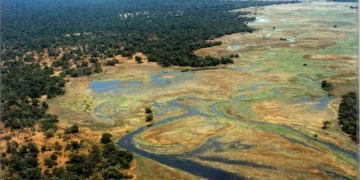
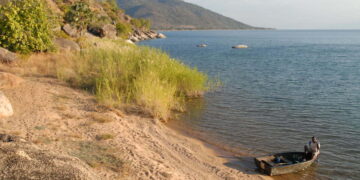
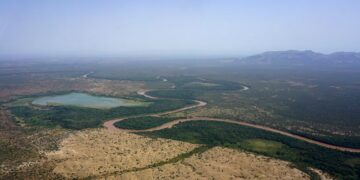
The Ndali inhabit a region characterised by complex topography, with high mountains and steep slopes intersected by deep valleys. The Songwe River forms the natural and political border between Tanzania and Malawi, but for the Ndali, it is more of a lifeline and a bridge for social interaction than a barrier. This region is characterised by a temperate, cool climate due to its high altitude, with abundant and regular rainfall, making it one of the most fertile areas in East Africa.
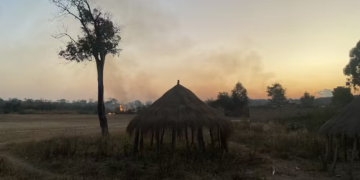
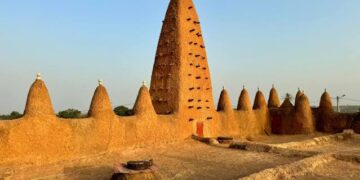
This geography has directly influenced human settlement patterns. The Ndali live in villages scattered across the hills, and their traditional architecture utilises local materials such as mud, wood, and thatch, adapted to the humid and cold climate of the highlands.
Oral traditions and historical studies suggest that the Ndali originated from the migrations of the Great Bantu peoples. It is believed that they separated from larger groups such as the Nyakyusa due to land disputes or a desire to find safer and more stable areas in the rugged mountains, which offer natural protection.
During the 19th century, the region was affected by the instability caused by the expansion of the Ngoni people from the south, but the mountainous terrain of the Ndali land helped them maintain their independence and distinct identity. With the arrival of colonial powers at the end of the 19th century, their lands were divided between German (then Tanganyika) and British (then Nyasaland) spheres of influence, resulting in a duality of political allegiance while maintaining a cohesive cultural and linguistic unity.
These people speak Chindali, a Bantu language belonging to the Corridor Languages subgroup, spoken between Lakes Nyasa (Malawi) and Tanganyika. It is closely related to languages such as Lambya and Nyakyusa.
Both Bastian Persohn and Martin Walsh indicated that due to shared linguistic and cultural traits, “Ndali” is frequently used interchangeably with the Sukwa in Tanzanian contexts. The composite term “Sukwa-Ndali” is used in sociolinguistic studies to refer to the larger ethnolinguistic cluster along the Tanzania-Malawi border. Folk etymology attributes “Ndali” to a migration story where the group took a longer path, meaning “long path”. This nomenclature reflects their classification within the Nyakyusa-Ndali subgroup of Bantu languages (Zone M, Guthrie code M30).
In Tanzania, Ndali has been significantly influenced by Swahili, the national language, leading to the incorporation of many Swahili terms into commercial and official transactions. In Malawi, Sukwa (a dialect of Ndali) has been influenced by Tumbuka and Chichewa. Despite these external influences, the Ndali people still maintain their mother tongue as a primary means of communication within the family and local community, and the language is used as a key tool for transmitting oral heritage, proverbs, and wisdom.
The Ndali people are known for their exceptional agricultural skills, which form the backbone of their economy. Due to the fertile volcanic soil and abundant water, they practise intensive hillside farming using a terracing system to prevent soil erosion.
Bananas are a strategic and staple crop in their diet, with several varieties used for cooking, eating directly, or fermentation. They also cultivate maize, beans, sweet potatoes, and taro. Coffee is the primary cash crop in Ndali regions, particularly in the Tanzanian highlands, where coffee cultivation provides a significant source of income for families. They also grow wheat and tobacco in varying quantities.
The Ndali own cattle, goats, and poultry. Cattle are used not only for meat and milk but also for ploughing and as an essential part of the dowry in marriage ceremonies, giving them social value that extends beyond their economic worth.
Cross-border trade is a prominent feature of Ndali life. Agricultural produce and consumer goods are traded between the markets in Tanzania and Malawi, often bypassing formal bureaucratic procedures due to familial ties between buyers and sellers.
Marriages, births, and funerals are among the most important social events that highlight community cohesion. In marriage, negotiations between the two families play a vital role, and the payment of the dowry, usually consisting of a number of cattle, is a legal and social obligation that guarantees the legitimacy of the children and the wife’s rights.
The Ndali are known for their traditional music and dances, performed at major events. They are also skilled in crafting baskets, mats, and simple wooden carvings used for household purposes.
They currently face challenges common to other highland communities in Africa. The rugged terrain makes it difficult to develop infrastructure such as roads and electricity, hindering the delivery of agricultural products to major urban markets. Also, with increasing population growth, agricultural land has become scarce, leading to the fragmentation of farmland and migration to larger cities like Mbeya in Tanzania or Mzuzu in Malawi in search of employment opportunities.
Despite advancements in the education and health sectors, remote villages still suffer from a shortage of medical personnel and modern educational facilities. Living along a border presents legal challenges related to citizenship and official documents, especially given the constant movement of individuals between the two countries for work, study, or to visit relatives.