

















The Kgalagadi people (or Bakgalagadi) are among the oldest Bantu-speaking ethnic groups, inhabiting the Kalahari Basin in what is now Botswana. They have a long history of adapting to one of the harshest desert environments in the world and form a vital part of Botswana’s social and demographic fabric.
Linguistic and anthropological studies suggest that the Kgalagadi were among the first Bantu peoples to cross the Limpopo River westward and southwestward around 1,000 years ago. Their language, Shekgalagari, is an Eastern Bantu language closely related to Tswana, but it has retained unique phonetic and lexical characteristics due to its geographical isolation in the arid savanna.
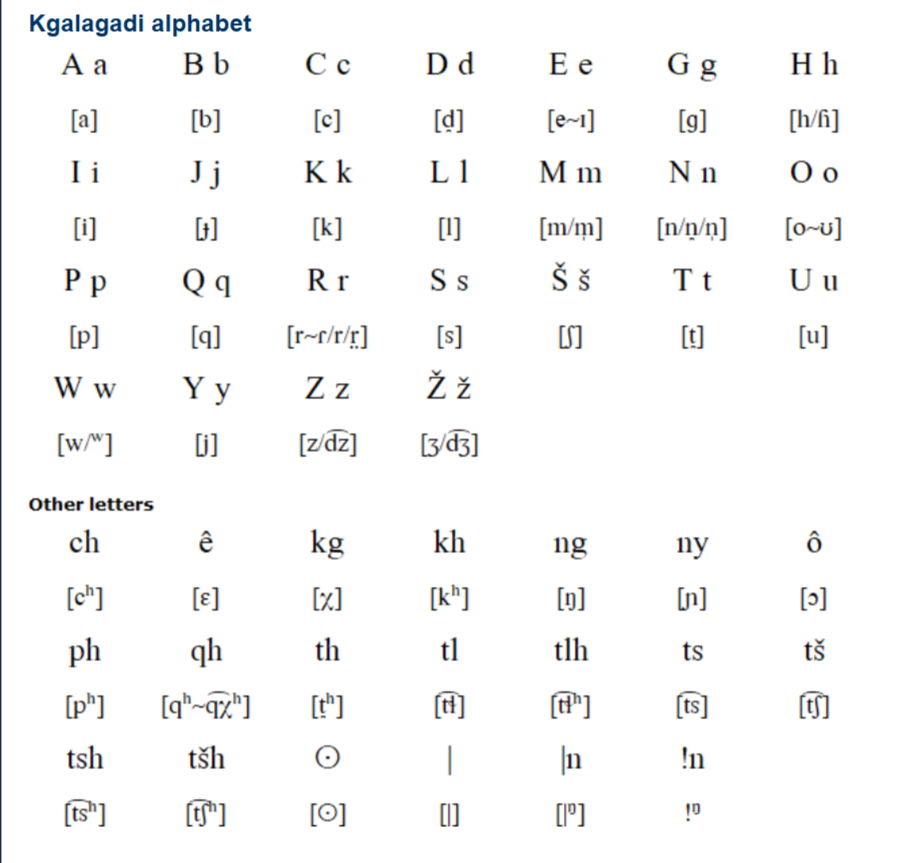
According to Omniglot:
“Dialects of Kgalagadi include Shengologa, Sheshaga, Shebolaongwe, Shelala, Shekhena, Sheritjhauba and Shekgwatheng. It is closely related to Tswana, and was classified as a dialect of Tswana until recently.”
The Kgalagadi inhabited the more fertile eastern regions of Botswana before subsequent waves of migration from Tswana tribes pushed them deeper into the Kalahari Desert. This gradual relocation shaped the people’s current identity as “desert dwellers,” from which their name is derived (Kgalagadi, meaning “place of thirst” or “great thirst”).
The Kgalagadi people are divided into several subgroups or major clans, the most prominent being the Bashaga, Bangologa, Baphaleng, Bakgwatheng, Bakhena, and Balala. Pavalagadi, Badiwana, and Balala.
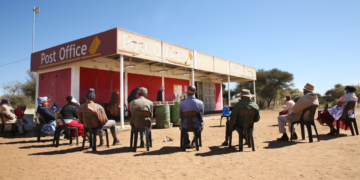
Like most Bantu peoples in the region, the Kgalagadi have a hierarchical social system led by a village or clan chief (Kgosi). The Kgotla—the public forum for consultation—plays a central role in their lives; it is where disputes are discussed, collective decisions are made, and land is allocated. Despite their integration into the modern state, the authority of local chiefs is still highly respected in customary matters.

The Kalahari environment has fostered a dual economy combining pastoralism and limited agriculture, distinguishing them from their San neighbors, who traditionally relied solely on hunting and gathering.
Livestock (cattle, sheep, and goats) is the cornerstone of the Kgalagadi people’s wealth and social standing. Due to the scarcity of surface water, they have developed exceptional skills in digging deep wells and managing limited water resources. During the rainy season, they practice subsistence farming, producing drought-resistant crops such as sorghum, millet, and wild melon, which serve as a vital water source for both humans and animals.
For centuries, the Kgalagadi have lived in close proximity to the San (“Bushmen”). This interaction has resulted in a complex relationship. On the one hand, the Kgalagadi have adopted hunting techniques and knowledge of desert plants from the San. On the other hand, at certain historical periods, economic and social dependencies existed, with the San working as herders or laborers for Galahadi families.
Linguistically, the Sekgalagadi language has been influenced by the surrounding Khoisan languages, exhibiting some click sounds, but it remains fundamentally a Bantu language. Today, young people face the challenge of preserving their language in the face of the dominance of Setswana (the national language) and English, which puts the linguistic identity of the Galahadi people at risk.
Historically, the Kgalagadi people believed in a supreme being and spiritual forces connected to their ancestors and nature. With the arrival of Christian missionaries in the 19th and 20th centuries, the majority converted to Christianity, but traditional practices, particularly at weddings and funerals, still reflect a blend of ancient and modern beliefs.
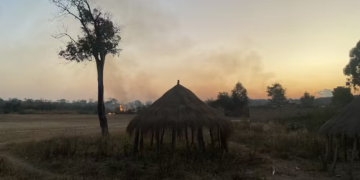
Villages are typically built around water sources or wells. Traditional houses have mud walls mixed with cattle dung for added durability, with conical thatched roofs that provide insulation against the summer heat and the harsh desert winter.
Under the British protectorate (Bechuanaland), the Kgalagadi were classified as a “lesser” group compared to the eight major Tswana tribes, which enjoyed official recognition and administrative autonomy. This structural discrimination persisted after independence in 1966, with the Galahadi struggling for equal representation in the House of Chiefs.
In recent decades, the Botswana state has begun taking steps toward greater inclusivity, recognizing some Kgalagadi chiefs and granting them administrative authority in their territories. However, land ownership and the development of remote areas remain central to the group’s political demands.
The Kgalagadi people today face a number of challenges that threaten their traditional way of life:
- Climate Change: Increasing drought and desertification of rangelands threaten their livestock and their sole source of livelihood.
- Access to Services: The remoteness of villages from urban centers makes access to higher education and advanced healthcare difficult.
- Economic marginalization: The Kalahari regions still suffer from higher poverty rates compared to the more developed eastern regions of the country.
The Kgalagadi Transfrontier Park was established in 2000. This extraordinary park is the result of the combination of South Africa’s Kalahari Gemsbok National Park and Botswana’s Gemsbok National Park, forming Africa’s first transfrontier conservation area. The objective for the park was to create a unified biological unit that would allow species to wander freely across political boundaries. This revolutionary program has subsequently become a model for conservation efforts throughout Africa, illustrating how governments may collaborate to safeguard valuable ecosystems.
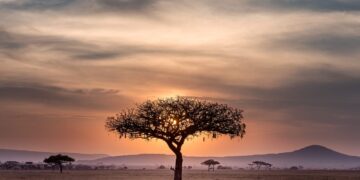
The Kgalagadi Park, one of South Africa’s best-kept safari secrets, is home to an array of hardy plants and a surprising abundance of animals. The barren landscapes dotted with thorn trees and the occasional waterhole offer excellent visibility on game-viewing drives.