
Qiraat Africa
عربي  |  Fr
Advertisement
  • News
    • All
    • Climate Change
    • Economy
    • Education
    • Energy
    • Health
    • Migration
    • Mining
    • Politics
    • Security
    • Society
    • Sport
    DR Congo President Tshisekedi seeks re-election in the forthcoming polls

    DR Congo court approves referendum law, fueling third-term debate

    Equatorial Guinea and Gabon resolve 50-year border dispute

    Equatorial Guinea and Gabon resolve 50-year border dispute

    Kenya probes potential toxin after 15 elephants die in Amboseli ecosystem

    Kenya probes potential toxin after 15 elephants die in Amboseli ecosystem

    WHO declares Ebola outbreak in Congo, Uganda an emergency of international concern

    Uganda declares end to latest Ebola outbreak

    South Africa says over 900 arrested during nationwide anti-migrant protests

    Nigeria and South Africa seek to ease tensions over xenophobic attacks

    US to block citizens in Congo from immediate travel home, citing Ebola

    A day in the life of Congo’s overstretched Ebola surveillance teams

    Senegal has sovereign right to decide how to tackle debt, IMF says

    IMF completes final review of Ghana lending program, unlocks $371 million

    South Africa promises crackdown on xenophobic attacks after Ghana protests

    Ghana repatriating another 1,000 nationals from South Africa

    Burkina Faso declares UN coordinator persona non grata

    Ugandan diplomat Otunnu joins race to become next UN head

  • Analysis
    • All
    • Climate Change
    • Digital & Tech
    • Economy
    • Energy & Power
    • Health
    • Politics
    • Security
    • Society
    What Happens After Dandora? Kenya’s Green Transition Faces Its Hardest Test

    What Happens After Dandora? Kenya’s Green Transition Faces Its Hardest Test

    African entrepreneurs work in challenging environments, and others may benefit from the skills they have developed

    African entrepreneurs work in challenging environments, and others may benefit from the skills they have developed

    Ethiopia’s 2026 General Election: Progress, Challenges, and Implications

    Ethiopia’s 2026 General Election: Progress, Challenges, and Implications

    Israeli recognition of Somaliland is a ‘calculated distraction,’ Somali diplomat says

    Sixty-Six Years On, the Promise of Somali Independence Remains Unfulfilled.

    Senegal’s top opposition leader Sonko vows to help win March 24 election

    Senegal at a Political Crossroads: The Faye–Sonko Rivalry and the Future of Democratic Governance

    Ulysses in isiZulu: Why an African translation of the classic Irish novel is important in today’s world

    Ulysses in isiZulu: Why an African translation of the classic Irish novel is important in today’s world

    The promise and risks of Kenya’s ambitious new strategy to close refugee camps

    The promise and risks of Kenya’s ambitious new strategy to close refugee camps

    Al Qaeda-linked militants curb their brutality in seized Malian territory

    Al Qaeda-linked militants curb their brutality in seized Malian territory

    Five Years After the Coup in Mali: Are Stability and Growth Within Reach?

    The Political Economy of Insecurity in Mali: Armed Groups, Resources, and State Fragility

  • Studies
    Angola’s lengthy war shaped the way farmers utilised fire—why it matters

    Angola’s lengthy war shaped the way farmers utilised fire—why it matters

    Schooling is the most severely affected by conflict when children are the target – Study

    Schooling is the most severely affected by conflict when children are the target – Study

    Pensions for Botswana’s elderly are expanding, but care services are lacking—study follows 20 years

    Pensions for Botswana’s elderly are expanding, but care services are lacking—study follows 20 years

    60 new cosmic structures have been discovered by South Africa’s MeerKAT telescope, which is mapping previously unseen gaps between galaxies

    60 new cosmic structures have been discovered by South Africa’s MeerKAT telescope, which is mapping previously unseen gaps between galaxies

    Benin government says armed forces foil coup attempt

    Coup contagion? A rash of African power grabs suggests copycats are taking note of others’ success

    One in three South Africans have never heard of AI: what this means for policy

    One in three South Africans have never heard of AI: what this means for policy

    Social Media as a Catalyst for the Spread of Dangerous Wealth Ritual Myths

    Social Media as a Catalyst for the Spread of Dangerous Wealth Ritual Myths

    Overcoming Education Barriers for Young Mothers in Sub-Saharan Africa

    Overcoming Education Barriers for Young Mothers in Sub-Saharan Africa

    Youth Empowerment Through Vocational Training in Rural Sub-Saharan Africa

    Youth Empowerment Through Vocational Training in Rural Sub-Saharan Africa

  • Infographics
  • Figures
    Al-Hajj Salim Suwari (fl. c. 13th–15th century): West African Soninke Islamic scholar

    Al-Hajj Salim Suwari (fl. c. 13th–15th century): West African Soninke Islamic scholar

    Strive Masiyiwa: Zimbabwean businessman and philanthropist

    Strive Masiyiwa: Zimbabwean businessman and philanthropist

    Diébédo Francis Kéré: Burkinabé-German architect

    Diébédo Francis Kéré: Burkinabé-German architect

    Herbert Wigwe (1966-2024): Nigerian banker and businessman

    Herbert Wigwe (1966-2024): Nigerian banker and businessman

    Senegal president names new finance, energy ministers in reshuffle

    Macky Sall: Former President of Senegal

    Marcus Garvey (1887-1940): Activist, Black nationalist, and Pan-Africanist

    Marcus Garvey (1887-1940): Activist, Black nationalist, and Pan-Africanist

    John B. Russwurm (1799–1851): Jamaican-born American abolitionist, publisher, and colonial governor

    John B. Russwurm (1799–1851): Jamaican-born American abolitionist, publisher, and colonial governor

    Winnie Mandela (1936-2018): South African politician and anti-apartheid activist

    Winnie Mandela (1936-2018): South African politician and anti-apartheid activist

    Abdias do Nascimento (1914-2011): Prominent African Brazilian scholar, artist, and politician

    Abdias do Nascimento (1914-2011): Prominent African Brazilian scholar, artist, and politician

  • History
    Aldabra Atoll, Seychelles

    Aldabra Atoll, Seychelles

    Le Morne Cultural Landscape, Mauritius

    Le Morne Cultural Landscape, Mauritius

    Mount Nimba Strict Nature Reserve, Guinea and Côte d’Ivoire

    Mount Nimba Strict Nature Reserve, Guinea and Côte d’Ivoire

    Sangha Trinational, north-western Congo Basin

    Sangha Trinational, north-western Congo Basin

    Kasubi Tombs, Kampala, Uganda

    Kasubi Tombs, Kampala, Uganda

    Dja Faunal Reserve, Cameroon

    Dja Faunal Reserve, Cameroon

    Laas Geel, Somalia

    Laas Geel, Somalia

    Lakes Of Ounianga, Chad

    Lakes Of Ounianga, Chad

    Nok Caves, Togo

    Nok Caves, Togo

  • Others
    • Culture / Literature
    • Interview
    • Opinion
  • Countries
    • Country profiles
    • Regions
      • Central Africa
      • East Africa
      • Southern Africa
      • West Africa
No Result
View All Result
  • News
    • All
    • Climate Change
    • Economy
    • Education
    • Energy
    • Health
    • Migration
    • Mining
    • Politics
    • Security
    • Society
    • Sport
    DR Congo President Tshisekedi seeks re-election in the forthcoming polls

    DR Congo court approves referendum law, fueling third-term debate

    Equatorial Guinea and Gabon resolve 50-year border dispute

    Equatorial Guinea and Gabon resolve 50-year border dispute

    Kenya probes potential toxin after 15 elephants die in Amboseli ecosystem

    Kenya probes potential toxin after 15 elephants die in Amboseli ecosystem

    WHO declares Ebola outbreak in Congo, Uganda an emergency of international concern

    Uganda declares end to latest Ebola outbreak

    South Africa says over 900 arrested during nationwide anti-migrant protests

    Nigeria and South Africa seek to ease tensions over xenophobic attacks

    US to block citizens in Congo from immediate travel home, citing Ebola

    A day in the life of Congo’s overstretched Ebola surveillance teams

    Senegal has sovereign right to decide how to tackle debt, IMF says

    IMF completes final review of Ghana lending program, unlocks $371 million

    South Africa promises crackdown on xenophobic attacks after Ghana protests

    Ghana repatriating another 1,000 nationals from South Africa

    Burkina Faso declares UN coordinator persona non grata

    Ugandan diplomat Otunnu joins race to become next UN head

  • Analysis
    • All
    • Climate Change
    • Digital & Tech
    • Economy
    • Energy & Power
    • Health
    • Politics
    • Security
    • Society
    What Happens After Dandora? Kenya’s Green Transition Faces Its Hardest Test

    What Happens After Dandora? Kenya’s Green Transition Faces Its Hardest Test

    African entrepreneurs work in challenging environments, and others may benefit from the skills they have developed

    African entrepreneurs work in challenging environments, and others may benefit from the skills they have developed

    Ethiopia’s 2026 General Election: Progress, Challenges, and Implications

    Ethiopia’s 2026 General Election: Progress, Challenges, and Implications

    Israeli recognition of Somaliland is a ‘calculated distraction,’ Somali diplomat says

    Sixty-Six Years On, the Promise of Somali Independence Remains Unfulfilled.

    Senegal’s top opposition leader Sonko vows to help win March 24 election

    Senegal at a Political Crossroads: The Faye–Sonko Rivalry and the Future of Democratic Governance

    Ulysses in isiZulu: Why an African translation of the classic Irish novel is important in today’s world

    Ulysses in isiZulu: Why an African translation of the classic Irish novel is important in today’s world

    The promise and risks of Kenya’s ambitious new strategy to close refugee camps

    The promise and risks of Kenya’s ambitious new strategy to close refugee camps

    Al Qaeda-linked militants curb their brutality in seized Malian territory

    Al Qaeda-linked militants curb their brutality in seized Malian territory

    Five Years After the Coup in Mali: Are Stability and Growth Within Reach?

    The Political Economy of Insecurity in Mali: Armed Groups, Resources, and State Fragility

  • Studies
    Angola’s lengthy war shaped the way farmers utilised fire—why it matters

    Angola’s lengthy war shaped the way farmers utilised fire—why it matters

    Schooling is the most severely affected by conflict when children are the target – Study

    Schooling is the most severely affected by conflict when children are the target – Study

    Pensions for Botswana’s elderly are expanding, but care services are lacking—study follows 20 years

    Pensions for Botswana’s elderly are expanding, but care services are lacking—study follows 20 years

    60 new cosmic structures have been discovered by South Africa’s MeerKAT telescope, which is mapping previously unseen gaps between galaxies

    60 new cosmic structures have been discovered by South Africa’s MeerKAT telescope, which is mapping previously unseen gaps between galaxies

    Benin government says armed forces foil coup attempt

    Coup contagion? A rash of African power grabs suggests copycats are taking note of others’ success

    One in three South Africans have never heard of AI: what this means for policy

    One in three South Africans have never heard of AI: what this means for policy

    Social Media as a Catalyst for the Spread of Dangerous Wealth Ritual Myths

    Social Media as a Catalyst for the Spread of Dangerous Wealth Ritual Myths

    Overcoming Education Barriers for Young Mothers in Sub-Saharan Africa

    Overcoming Education Barriers for Young Mothers in Sub-Saharan Africa

    Youth Empowerment Through Vocational Training in Rural Sub-Saharan Africa

    Youth Empowerment Through Vocational Training in Rural Sub-Saharan Africa

  • Infographics
  • Figures
    Al-Hajj Salim Suwari (fl. c. 13th–15th century): West African Soninke Islamic scholar

    Al-Hajj Salim Suwari (fl. c. 13th–15th century): West African Soninke Islamic scholar

    Strive Masiyiwa: Zimbabwean businessman and philanthropist

    Strive Masiyiwa: Zimbabwean businessman and philanthropist

    Diébédo Francis Kéré: Burkinabé-German architect

    Diébédo Francis Kéré: Burkinabé-German architect

    Herbert Wigwe (1966-2024): Nigerian banker and businessman

    Herbert Wigwe (1966-2024): Nigerian banker and businessman

    Senegal president names new finance, energy ministers in reshuffle

    Macky Sall: Former President of Senegal

    Marcus Garvey (1887-1940): Activist, Black nationalist, and Pan-Africanist

    Marcus Garvey (1887-1940): Activist, Black nationalist, and Pan-Africanist

    John B. Russwurm (1799–1851): Jamaican-born American abolitionist, publisher, and colonial governor

    John B. Russwurm (1799–1851): Jamaican-born American abolitionist, publisher, and colonial governor

    Winnie Mandela (1936-2018): South African politician and anti-apartheid activist

    Winnie Mandela (1936-2018): South African politician and anti-apartheid activist

    Abdias do Nascimento (1914-2011): Prominent African Brazilian scholar, artist, and politician

    Abdias do Nascimento (1914-2011): Prominent African Brazilian scholar, artist, and politician

  • History
    Aldabra Atoll, Seychelles

    Aldabra Atoll, Seychelles

    Le Morne Cultural Landscape, Mauritius

    Le Morne Cultural Landscape, Mauritius

    Mount Nimba Strict Nature Reserve, Guinea and Côte d’Ivoire

    Mount Nimba Strict Nature Reserve, Guinea and Côte d’Ivoire

    Sangha Trinational, north-western Congo Basin

    Sangha Trinational, north-western Congo Basin

    Kasubi Tombs, Kampala, Uganda

    Kasubi Tombs, Kampala, Uganda

    Dja Faunal Reserve, Cameroon

    Dja Faunal Reserve, Cameroon

    Laas Geel, Somalia

    Laas Geel, Somalia

    Lakes Of Ounianga, Chad

    Lakes Of Ounianga, Chad

    Nok Caves, Togo

    Nok Caves, Togo

  • Others
    • Culture / Literature
    • Interview
    • Opinion
  • Countries
    • Country profiles
    • Regions
      • Central Africa
      • East Africa
      • Southern Africa
      • West Africa
No Result
View All Result
Qiraat Africa
عربي  |  Fr
No Result
View All Result
Home Figures

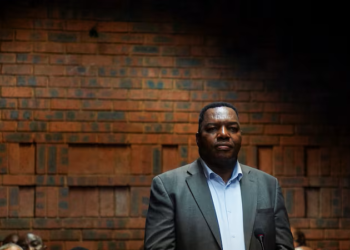
Steve Biko (1946-1977): South Africa’s anti-apartheid activist and voice of Black liberation

August 15, 2025
Steve Biko (1946-1977): South Africa’s anti-apartheid activist and voice of Black liberation
Share on FacebookShare on Twitter

Bantu Stephen Biko was born on December 18, 1946, in King William’s Town, in the Eastern Cape province of South Africa. He was raised in a Zulu family; his father was a civil servant and his mother a domestic worker. He received his early education in black schools, where he excelled academically. After completing primary school, he enrolled at Lovedale Institute, a prestigious boarding school, but was expelled along with his brother due to suspicion of their political activities. He completed his secondary education at St. Francis College in Mariannhill, a liberal Catholic institution.

In 1966, Biko enrolled in the Faculty of Medicine at the University of Natal, in its non-white section. The university environment was the incubator in which his political awareness was systematically formed. During this period, most anti-apartheid political organizations, such as the African National Congress (ANC) and the Pan Africanist Congress (PAC), were banned, and their leaders were either imprisoned or in exile. This political vacuum created an opportunity for a new generation of activists, among whom was Biko.

At university, Biko initially became involved with the National Union of South African Students (NUSAS), a multiracial student organization dominated by liberal white students. Through his experience with NUSAS, Biko and a number of his black colleagues came to the conclusion that white students, even those sympathetic to the Black cause, were unable to fully understand the experience of racial oppression. They believed that the presence of Black students in white-led organizations reinforced subordination and prevented the development of independent Black leadership.

Based on this perception, in 1968, Biko led the breakaway from the NUSAS and established the South African Students Organization (SASO), an organization exclusively for Black students (in the broad sense of the word, including Coloureds and Indians). Biko was elected its first president in 1969. This organization formed the nucleus from which the Black Consciousness Movement emerged as a philosophy and program of action.

The Black Consciousness Movement was not merely a political organization; it was, at its core, a philosophy aimed at redefining Black identity. Biko’s ideas, expressed in his writings under the pseudonym “Frank Talk” in the organization’s magazine, were based on several fundamental principles:

Psychological liberation first: Biko believed that the most powerful weapon in the hands of the apartheid regime was not military force or oppressive laws, but rather its ability to instill feelings of inferiority and inadequacy in Black people. Therefore, the first step toward physical and political liberation was psychological liberation. He called on Black people to shed their inferiority complex, reject the definitions imposed on them by white society, and embrace their skin color, history, and culture.

Read also

Nigeria and South Africa seek to ease tensions over xenophobic attacks

Ghana repatriating another 1,000 nationals from South Africa

Africa facing $10-$20 billion economic hit from ‘super’ El Niño, AfDB climate chief warns

Definition of “Black”: The movement provided a comprehensive political definition of the term “Black,” extending beyond Africans to include all those categorized by the regime as “non-white” and persecuted on the basis of race, including Coloreds and Indians. The goal was to build a united front of all oppressed groups.

Rejecting White Liberalism: Biko criticized the role of white liberals in the struggle movement, arguing that, whether intentionally or unintentionally, they tended to impose their patronage on Black activists and determine the pace and objectives of the struggle to suit their own interests. He emphasized the need for Black people to lead their own struggle without external interference.

Self-Reliance: The movement called for the development of independent Black community institutions and projects to reduce dependence on white-controlled infrastructure. This included health, education, and economic programs aimed at serving Black communities and strengthening their resilience.

After establishing the intellectual and organizational base of SASO, Biko worked to expand the influence of the Black Consciousness Movement beyond the universities. In 1972, he co-founded the Black People’s Convention (BPC), an umbrella organization of more than 70 religious, cultural, and political associations that embraced Black Consciousness thought. The convention aimed to coordinate efforts at the national level and implement self-reliance programs.

Through this platform, the Black Community Programmes (BCP) were launched, the operational arm of the movement. These projects established mobile health clinics, trust funds, and craft projects in Black townships. The goal of these initiatives was not only to provide essential services but also to demonstrate the ability of Black people to manage their own affairs and build strong, independent communities.

Because of his growing activism, Biko became a prime target for the apartheid regime’s security services. In 1973, the government decided to impose a “banning order” on him. Under this order, his movements were restricted and he was prohibited from leaving his hometown, King William’s Town. He was also prohibited from speaking to more than one person at a time, from speaking publicly or writing for publication, and his quotes were prohibited. Despite these strict restrictions, Biko continued his activism in secret, organizing community projects and communicating with his fellow members of the movement.

Between 1975 and 1977, Steve Biko was arrested four times and detained for several months without trial. On August 18, 1977, he was arrested for the last time at a police checkpoint outside King William’s Town and detained under Section 6 of the Terrorism Act, which allowed for indefinite detention without trial.

Biko was taken to the Security Police headquarters in Port Elizabeth, where he was interrogated and tortured for several days. During the interrogation, he sustained severe head injuries that led to brain damage and a coma. On September 11, 1977, the police decided to transfer him to a prison hospital in Pretoria, more than 1,100 kilometers away. He was transported naked in the back of a Land Rover, without any medical care.

On September 12, 1977, Steve Biko died alone on the floor of his cell in Pretoria Prison. Authorities declared the cause of death to be a hunger strike. This account was widely rejected and skepticized both locally and internationally. The white liberal journalist Helen Zille, who later became a prominent politician, played a role in uncovering the truth through her sources, sparking a global uproar. An autopsy later revealed that Biko died as a result of severe brain injuries caused by blunt force trauma to the head.

Biko’s death sparked widespread outrage. His funeral was attended by over 20,000 people, including foreign diplomats, and turned into a massive political demonstration. Internationally, his death increased pressure on the apartheid regime, and the United Nations Security Council imposed a mandatory arms embargo on South Africa.

A month after his death, the government banned 18 organizations associated with the Black Consciousness Movement, including SASO and the BPC, in an attempt to crush the movement.

Steve Biko’s influence was profound and lasting. His greatest contribution was his success in changing the psychological state of an entire generation of Black people in South Africa. The Black Consciousness Movement restored dignity and self-confidence to Black people, encouraging them to challenge the status quo not only politically but also culturally and psychologically.

The ideas of the Black Consciousness Movement are believed to have been the primary driving force behind the 1976 Soweto schoolchildren’s uprising, which erupted in protest against the imposition of Afrikaans (the language of white settlers) as the language of instruction. This uprising marked a turning point in the struggle against apartheid.

After his death, Biko became a global symbol of resistance against injustice and oppression. His story has inspired numerous artists and activists around the world, such as the song “Biko” by British musician Peter Gabriel and the film “Cry Freedom” by Richard Attenborough.

Biko’s ideas on identity, psychological liberation, and self-reliance remain relevant in contemporary South Africa, where debates about racial equality, economic justice, and the legacy of apartheid continue.

Tags: Anti-apartheidSouth AfricaSteve Biko

Related Posts

Mali, Burkina Faso and Niger announce exit from International Criminal Court
Featured

Ghanaian nationals ask ICC to probe xenophobic violence in South Africa

July 23, 2026
Zimbabwe adds freight rail option to lithium export gateway
Featured

Zimbabwe adds freight rail option to lithium export gateway

July 21, 2026
Towards the revitalization of Nigeria’s power sector
Central Africa

AI could lift Sub-Saharan Africa economy 4% if power, internet improve, IMF says

July 21, 2026
African entrepreneurs work in challenging environments, and others may benefit from the skills they have developed
Central Africa

African entrepreneurs work in challenging environments, and others may benefit from the skills they have developed

July 20, 2026
Al-Hajj Salim Suwari (fl. c. 13th–15th century): West African Soninke Islamic scholar
Figures

Al-Hajj Salim Suwari (fl. c. 13th–15th century): West African Soninke Islamic scholar

July 17, 2026
Ghana tops African countries with highest debt with IMF
Economy

Zambia hopes to agree new IMF programme by year-end, finance minister says

July 16, 2026

Search Qiraat Africa

No Result
View All Result

Follow on Twitter

Follow @africanqiraat

Trending

Brief History and Culture of the City of Lagos, Nigeria

Brief History and Culture of the City of Lagos, Nigeria

July 24, 2024
Zaghawa people of northeastern Chad and western Sudan

Zaghawa people of northeastern Chad and western Sudan

March 3, 2026
Samori Touré (1830-1900): Military leader and founder of Wassoulou Empire

Samori Touré (1830-1900): Military leader and founder of Wassoulou Empire

January 11, 2026
Bakiga / Abakiga of northern Rwanda and southern Uganda

Bakiga / Abakiga of northern Rwanda and southern Uganda

July 15, 2026
Kumbi Saleh, the capital of the ancient Ghana Empire

Kumbi Saleh, the capital of the ancient Ghana Empire

October 13, 2025
Tuareg: The Blue People of the Sahara

Tuareg: The Blue People of the Sahara

May 23, 2025

Facebook

Sections

  • About Us
  • Privacy Policy
  • Opinion
  • Infographics
  • News
  • Analysis
  • Figures
  • Culture & Literature
  • Follow Ups
  • Historical Readings
  • Interview
  • Studies


© Copyright Qiraat Africa. Developed by Bunnaj Media .

No Result
View All Result
  • News
  • Analysis & Report
  • Studies
  • Opinion
  • Interview
  • Culture & Literature
  • Figures
  • Historical Readings
  • Regions

© 2021 Copyright Qiraat Africa.