






























Rules on local refining that Guinea’s government introduced last month as it strives to retain more of the value of its mineral wealth have forced some of the country’s biggest miners to stockpile gold they are unable to export, industry sources said.
As West African countries more generally seek to maximise their income from their natural resources, Guinea has said it aims to become a regional gold refining hub.
Its Nimba Gold Refinery was inaugurated on November 1, after a 90-day deadline for miners to export any unrefined gold expired on October 6.
Three mining executives and two lawyers familiar with the matter said bureaucracy and a slow start to domestic refining meant miners, no longer able to export unrefined gold, had accumulated inventories worth tens of millions of dollars, tying up working capital.
The miners affected included South Africa’s AngloGold Ashanti, Russia-backed Nordgold and Australia’s PDI Gold, they said.
PDI is working with authorities and industry stakeholders on implementation of the new framework, an executive said.
PDI told Reuters it supported Guinea’s push to maximise local value from its natural resources.
AngloGold Ashanti and Nordgold did not immediately respond to requests for comment.
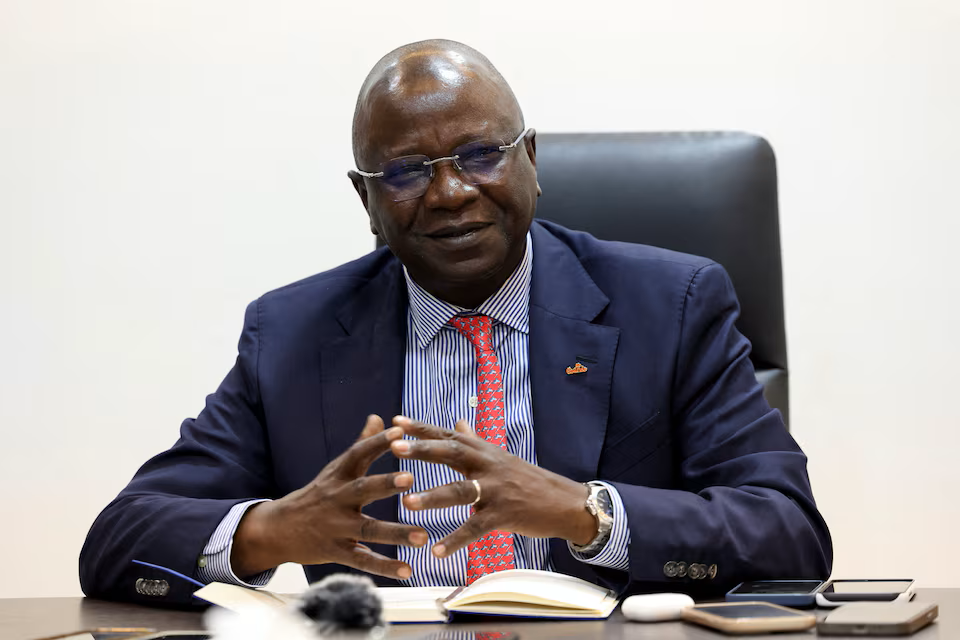
Mines Minister Bouna Sylla told Reuters the Nimba refinery had begun processing gold and that Guinea had appointed a major UAE-based refiner to operate the facility, while declining to name it.
He also said the government was discussing commercial arrangements with mining companies.
One of the mining executives, who spoke on condition of anonymity, said producers had been accumulating gold for over four weeks while awaiting implementation of the new rules.
Another said his company had stockpiled more than 20,000 ounces of bullion over six weeks, forcing it to double insurance cover.
Guinea produced about 69 metric tons of gold in 2025.