

Qiraat Africa
عربي  |  Fr
Advertisement
  • News
    • All
    • Climate Change
    • Economy
    • Education
    • Energy
    • Health
    • Migration
    • Mining
    • Politics
    • Security
    • Society
    • Sport
    Zambia says it arrested opposition figures on night of elections

    Zambia says it arrested opposition figures on night of elections

    Somali troops push militiamen out of Baidoa after fierce fighting

    Somali troops push militiamen out of Baidoa after fierce fighting

    DR Congo and Uganda report 263 confirmed Ebola cases with 43 deaths, Africa CDC says

    Unpaid health workers strike as Congo’s Ebola contact tracing falls behind

    Why is Senegal’s billions in hidden debt an IMF concern

    Senegal hikes fuel prices amid surge in global oil markets

    Chadian leader General Mahamat Deby pardons 110 people held over October protests

    Chad’s president pardons main rival and opposition leader in jail

    Lawsuit challenges Trump administration’s ending of protections for Somalis

    US judge clears way for Trump to end Somalis’ deportation protections

    Mali army bases hit in large-scale attacks claimed by al Qaeda-linked militants

    A $50 million hostage ransom funded al Qaeda’s Mali offensive, UN says

    Malawian migrants in South Africa prepare for repatriation as protests continue

    South Africa seeks reimbursement from African countries for migrant repatriations

    Uganda central bank holds rates, says price pressure from oil hasn’t spread

    Uganda central bank holds rates, says price pressure from oil hasn’t spread

  • Analysis
    • All
    • Climate Change
    • Digital & Tech
    • Economy
    • Energy & Power
    • Health
    • Politics
    • Security
    • Society
    African Finance Corp says Gabon political situation a ‘good coup’

    Why African countries must rethink how they grow their economies

    DR Congo says it will receive third-country deportees under new deal with US

    Beyond the Outbreak: How Ebola Reshaped East & Central Africa’s Economies

    What Happens After Dandora? Kenya’s Green Transition Faces Its Hardest Test

    What Happens After Dandora? Kenya’s Green Transition Faces Its Hardest Test

    African entrepreneurs work in challenging environments, and others may benefit from the skills they have developed

    African entrepreneurs work in challenging environments, and others may benefit from the skills they have developed

    Ethiopia’s 2026 General Election: Progress, Challenges, and Implications

    Ethiopia’s 2026 General Election: Progress, Challenges, and Implications

    Israeli recognition of Somaliland is a ‘calculated distraction,’ Somali diplomat says

    Sixty-Six Years On, the Promise of Somali Independence Remains Unfulfilled.

    Senegal’s top opposition leader Sonko vows to help win March 24 election

    Senegal at a Political Crossroads: The Faye–Sonko Rivalry and the Future of Democratic Governance

    Ulysses in isiZulu: Why an African translation of the classic Irish novel is important in today’s world

    Ulysses in isiZulu: Why an African translation of the classic Irish novel is important in today’s world

    The promise and risks of Kenya’s ambitious new strategy to close refugee camps

    The promise and risks of Kenya’s ambitious new strategy to close refugee camps

  • Studies
    China could drive Africa’s renewable energy revolution, report says

    A study shows wind and solar projects in Kenya and South Africa don’t always benefit the communities that host them

    Angola’s lengthy war shaped the way farmers utilised fire—why it matters

    Angola’s lengthy war shaped the way farmers utilised fire—why it matters

    Schooling is the most severely affected by conflict when children are the target – Study

    Schooling is the most severely affected by conflict when children are the target – Study

    Pensions for Botswana’s elderly are expanding, but care services are lacking—study follows 20 years

    Pensions for Botswana’s elderly are expanding, but care services are lacking—study follows 20 years

    60 new cosmic structures have been discovered by South Africa’s MeerKAT telescope, which is mapping previously unseen gaps between galaxies

    60 new cosmic structures have been discovered by South Africa’s MeerKAT telescope, which is mapping previously unseen gaps between galaxies

    Benin government says armed forces foil coup attempt

    Coup contagion? A rash of African power grabs suggests copycats are taking note of others’ success

    One in three South Africans have never heard of AI: what this means for policy

    One in three South Africans have never heard of AI: what this means for policy

    Social Media as a Catalyst for the Spread of Dangerous Wealth Ritual Myths

    Social Media as a Catalyst for the Spread of Dangerous Wealth Ritual Myths

    Overcoming Education Barriers for Young Mothers in Sub-Saharan Africa

    Overcoming Education Barriers for Young Mothers in Sub-Saharan Africa

  • Infographics
  • Figures
    Al-Hajj Salim Suwari (fl. c. 13th–15th century): West African Soninke Islamic scholar

    Al-Hajj Salim Suwari (fl. c. 13th–15th century): West African Soninke Islamic scholar

    Strive Masiyiwa: Zimbabwean businessman and philanthropist

    Strive Masiyiwa: Zimbabwean businessman and philanthropist

    Diébédo Francis Kéré: Burkinabé-German architect

    Diébédo Francis Kéré: Burkinabé-German architect

    Herbert Wigwe (1966-2024): Nigerian banker and businessman

    Herbert Wigwe (1966-2024): Nigerian banker and businessman

    Senegal president names new finance, energy ministers in reshuffle

    Macky Sall: Former President of Senegal

    Marcus Garvey (1887-1940): Activist, Black nationalist, and Pan-Africanist

    Marcus Garvey (1887-1940): Activist, Black nationalist, and Pan-Africanist

    John B. Russwurm (1799–1851): Jamaican-born American abolitionist, publisher, and colonial governor

    John B. Russwurm (1799–1851): Jamaican-born American abolitionist, publisher, and colonial governor

    Winnie Mandela (1936-2018): South African politician and anti-apartheid activist

    Winnie Mandela (1936-2018): South African politician and anti-apartheid activist

    Abdias do Nascimento (1914-2011): Prominent African Brazilian scholar, artist, and politician

    Abdias do Nascimento (1914-2011): Prominent African Brazilian scholar, artist, and politician

  • History
    Aldabra Atoll, Seychelles

    Aldabra Atoll, Seychelles

    Le Morne Cultural Landscape, Mauritius

    Le Morne Cultural Landscape, Mauritius

    Mount Nimba Strict Nature Reserve, Guinea and Côte d’Ivoire

    Mount Nimba Strict Nature Reserve, Guinea and Côte d’Ivoire

    Sangha Trinational, north-western Congo Basin

    Sangha Trinational, north-western Congo Basin

    Kasubi Tombs, Kampala, Uganda

    Kasubi Tombs, Kampala, Uganda

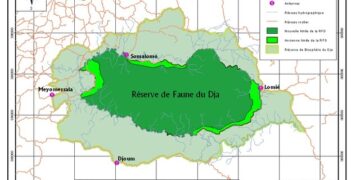
    Dja Faunal Reserve, Cameroon

    Dja Faunal Reserve, Cameroon

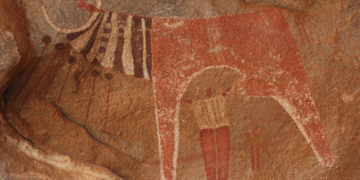
    Laas Geel, Somalia

    Laas Geel, Somalia

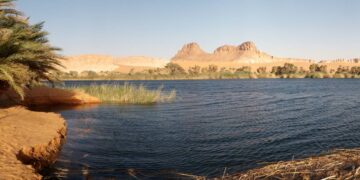
    Lakes Of Ounianga, Chad

    Lakes Of Ounianga, Chad

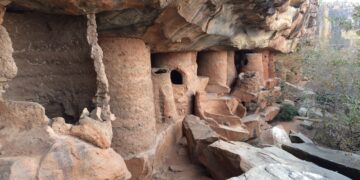
    Nok Caves, Togo

    Nok Caves, Togo

  • Others
    • Culture / Literature
    • Interview
    • Opinion
  • Countries
    • Country profiles
    • Regions
      • Central Africa
      • East Africa
      • Southern Africa
      • West Africa
No Result
View All Result
  • News
    • All
    • Climate Change
    • Economy
    • Education
    • Energy
    • Health
    • Migration
    • Mining
    • Politics
    • Security
    • Society
    • Sport
    Zambia says it arrested opposition figures on night of elections

    Zambia says it arrested opposition figures on night of elections

    Somali troops push militiamen out of Baidoa after fierce fighting

    Somali troops push militiamen out of Baidoa after fierce fighting

    DR Congo and Uganda report 263 confirmed Ebola cases with 43 deaths, Africa CDC says

    Unpaid health workers strike as Congo’s Ebola contact tracing falls behind

    Why is Senegal’s billions in hidden debt an IMF concern

    Senegal hikes fuel prices amid surge in global oil markets

    Chadian leader General Mahamat Deby pardons 110 people held over October protests

    Chad’s president pardons main rival and opposition leader in jail

    Lawsuit challenges Trump administration’s ending of protections for Somalis

    US judge clears way for Trump to end Somalis’ deportation protections

    Mali army bases hit in large-scale attacks claimed by al Qaeda-linked militants

    A $50 million hostage ransom funded al Qaeda’s Mali offensive, UN says

    Malawian migrants in South Africa prepare for repatriation as protests continue

    South Africa seeks reimbursement from African countries for migrant repatriations

    Uganda central bank holds rates, says price pressure from oil hasn’t spread

    Uganda central bank holds rates, says price pressure from oil hasn’t spread

  • Analysis
    • All
    • Climate Change
    • Digital & Tech
    • Economy
    • Energy & Power
    • Health
    • Politics
    • Security
    • Society
    African Finance Corp says Gabon political situation a ‘good coup’

    Why African countries must rethink how they grow their economies

    DR Congo says it will receive third-country deportees under new deal with US

    Beyond the Outbreak: How Ebola Reshaped East & Central Africa’s Economies

    What Happens After Dandora? Kenya’s Green Transition Faces Its Hardest Test

    What Happens After Dandora? Kenya’s Green Transition Faces Its Hardest Test

    African entrepreneurs work in challenging environments, and others may benefit from the skills they have developed

    African entrepreneurs work in challenging environments, and others may benefit from the skills they have developed

    Ethiopia’s 2026 General Election: Progress, Challenges, and Implications

    Ethiopia’s 2026 General Election: Progress, Challenges, and Implications

    Israeli recognition of Somaliland is a ‘calculated distraction,’ Somali diplomat says

    Sixty-Six Years On, the Promise of Somali Independence Remains Unfulfilled.

    Senegal’s top opposition leader Sonko vows to help win March 24 election

    Senegal at a Political Crossroads: The Faye–Sonko Rivalry and the Future of Democratic Governance

    Ulysses in isiZulu: Why an African translation of the classic Irish novel is important in today’s world

    Ulysses in isiZulu: Why an African translation of the classic Irish novel is important in today’s world

    The promise and risks of Kenya’s ambitious new strategy to close refugee camps

    The promise and risks of Kenya’s ambitious new strategy to close refugee camps

  • Studies
    China could drive Africa’s renewable energy revolution, report says

    A study shows wind and solar projects in Kenya and South Africa don’t always benefit the communities that host them

    Angola’s lengthy war shaped the way farmers utilised fire—why it matters

    Angola’s lengthy war shaped the way farmers utilised fire—why it matters

    Schooling is the most severely affected by conflict when children are the target – Study

    Schooling is the most severely affected by conflict when children are the target – Study

    Pensions for Botswana’s elderly are expanding, but care services are lacking—study follows 20 years

    Pensions for Botswana’s elderly are expanding, but care services are lacking—study follows 20 years

    60 new cosmic structures have been discovered by South Africa’s MeerKAT telescope, which is mapping previously unseen gaps between galaxies

    60 new cosmic structures have been discovered by South Africa’s MeerKAT telescope, which is mapping previously unseen gaps between galaxies

    Benin government says armed forces foil coup attempt

    Coup contagion? A rash of African power grabs suggests copycats are taking note of others’ success

    One in three South Africans have never heard of AI: what this means for policy

    One in three South Africans have never heard of AI: what this means for policy

    Social Media as a Catalyst for the Spread of Dangerous Wealth Ritual Myths

    Social Media as a Catalyst for the Spread of Dangerous Wealth Ritual Myths

    Overcoming Education Barriers for Young Mothers in Sub-Saharan Africa

    Overcoming Education Barriers for Young Mothers in Sub-Saharan Africa

  • Infographics
  • Figures
    Al-Hajj Salim Suwari (fl. c. 13th–15th century): West African Soninke Islamic scholar

    Al-Hajj Salim Suwari (fl. c. 13th–15th century): West African Soninke Islamic scholar

    Strive Masiyiwa: Zimbabwean businessman and philanthropist

    Strive Masiyiwa: Zimbabwean businessman and philanthropist

    Diébédo Francis Kéré: Burkinabé-German architect

    Diébédo Francis Kéré: Burkinabé-German architect

    Herbert Wigwe (1966-2024): Nigerian banker and businessman

    Herbert Wigwe (1966-2024): Nigerian banker and businessman

    Senegal president names new finance, energy ministers in reshuffle

    Macky Sall: Former President of Senegal

    Marcus Garvey (1887-1940): Activist, Black nationalist, and Pan-Africanist

    Marcus Garvey (1887-1940): Activist, Black nationalist, and Pan-Africanist

    John B. Russwurm (1799–1851): Jamaican-born American abolitionist, publisher, and colonial governor

    John B. Russwurm (1799–1851): Jamaican-born American abolitionist, publisher, and colonial governor

    Winnie Mandela (1936-2018): South African politician and anti-apartheid activist

    Winnie Mandela (1936-2018): South African politician and anti-apartheid activist

    Abdias do Nascimento (1914-2011): Prominent African Brazilian scholar, artist, and politician

    Abdias do Nascimento (1914-2011): Prominent African Brazilian scholar, artist, and politician

  • History
    Aldabra Atoll, Seychelles

    Aldabra Atoll, Seychelles

    Le Morne Cultural Landscape, Mauritius

    Le Morne Cultural Landscape, Mauritius

    Mount Nimba Strict Nature Reserve, Guinea and Côte d’Ivoire

    Mount Nimba Strict Nature Reserve, Guinea and Côte d’Ivoire

    Sangha Trinational, north-western Congo Basin

    Sangha Trinational, north-western Congo Basin

    Kasubi Tombs, Kampala, Uganda

    Kasubi Tombs, Kampala, Uganda

    Dja Faunal Reserve, Cameroon

    Dja Faunal Reserve, Cameroon

    Laas Geel, Somalia

    Laas Geel, Somalia

    Lakes Of Ounianga, Chad

    Lakes Of Ounianga, Chad

    Nok Caves, Togo

    Nok Caves, Togo

  • Others
    • Culture / Literature
    • Interview
    • Opinion
  • Countries
    • Country profiles
    • Regions
      • Central Africa
      • East Africa
      • Southern Africa
      • West Africa
No Result
View All Result
Qiraat Africa
عربي  |  Fr
No Result
View All Result
Home Analysis & Report

Towards the revitalization of Nigeria’s power sector

Ahmadulbadawy AbdulRaheem by Ahmadulbadawy AbdulRaheem
November 7, 2024
in Analysis & Report, Energy & Power, Featured, West Africa
Towards the revitalization of Nigeria’s power sector

Power distributor engineers are working on the damaged pole in Lagos Nigeria, 23rd June 2019, Nigeria. Copyright: Agbebiyi Adekunle Sunday / shutterstock

Share on FacebookShare on Twitter

Nigeria, a nation with a population exceeding 200 million, has long been plagued by insufficient power supply. This issue has forced the majority of its citizens to live with limited access to electricity, as efforts to revitalize the power sector by previous administrations have continuously faltered. Since January 2010, Nigeria has experienced over 222 instances of its national grid collapsing, despite the substantial financial investments made in the power sector each year.

Most recently, the country faced a series of total blackouts due to the national grid collapsing three times in a single week. This left the entire nation in darkness, with businesses bearing the brunt of the crisis and suffering significant economic and social consequences. The ongoing struggle to address Nigeria’s power supply issues highlights the urgent need for sustainable solutions to ensure reliable electricity for all citizens.

Nigeria’s Power Structure

The power structure in Nigeria is comprised of generating plants that produce electricity, a transmission system that carries electricity from the generating centers, and a distribution system that delivers electricity to final consumers after it is received from the transmission system. The Nigerian power sector is overseen by the state-owned Power Holding Company of Nigeria (PHCN), formerly known as the National Electric Power Authority (NEPA).

In March 2005, the Federal Government partially privatized the power sector when former President Olusegun Obasanjo signed a power sector reform bill into law. This allowed private companies to participate in electricity generation, transmission, and distribution. The government also encouraged foreign involvement in the electric power sector by commissioning independent power projects (IPPs) to generate electricity and sell it to PHCN.

Simplified structure of the Nigerian Power Sector. Copyright: Olakunle Alao / Researchgate

By 2013, the Nigerian power sector was fully privatized under the administration of former President Goodluck Jonathan. This transfer of the power distribution and generation burden to private distribution companies (DisCos) and private generation companies (GenCos) was accompanied by the retention of some regulatory oversight by the Nigerian Electricity Regulatory Commission (NERC). In essence, the GenCos generate power and supply it to the national grid, while the Transmission Company of Nigeria (TCN) transmits the power from the grid to the DisCos for local distribution of electricity.

Why Does the National Grid Keep Collapsing?

The Nigerian national electricity grid, designed to operate through three phases—generation, transmission, and distribution—has experienced numerous collapses due to a range of factors. These include grid instability, aging electricity infrastructure, low water levels at hydropower plants, insufficient gas supply at gas power plants, poor utility performance, and theft/vandalism of grid equipment. At times, the grid is intentionally shut down for security and safety reasons or due to worker strikes.

In April 2024, Nofisat Ali, the executive director of the Independent System Operator (ISO) at the Transmission Company of Nigeria (TCN), informed a Senate committee that the persistent grid collapses were a result of issues involving all stakeholders in the power sector. Ali stated, “The causes of grid collapse in Nigeria are widespread, involving generation companies, transmission, and distribution.”

Additionally, Nigerian Minister of Power, Adebayo Adelabu, addressed journalists regarding a recent grid collapse, emphasizing the outdated infrastructure of the power grid as a significant factor. Adelabu explained, “The grid experienced a disturbance and was deliberately shut down due to an explosion at the Jebba plant. Prior to this, there was a disturbance four months ago, indicating ongoing management of the grid. The reality is that we have aging infrastructure, with a national grid of over 50 years old, transmission lines in disrepair, falling towers, substations, and transformers. The transformer that exploded at Jebba was 47 years old, and while efforts are being made to replace it, these changes cannot happen overnight.”

The Nigeria-Siemens Power Deal

In July 2019, Nigeria, under the administration of former President Buhari, entered into an electricity roadmap agreement with Siemens, a German-based power company. This agreement, known as the Nigerian Electrification Roadmap (NER) or the Presidential Power Initiative (PPI), includes technical and commercial proposals aimed at financing, implementing, and executing projects to revitalize the Nigerian power sector and address the country’s future electricity needs.

The NER was designed in three phases and was intended to be carried out over a six-year period, concluding in 2025. The first phase focused on implementing quick impact projects to improve the capacity of the existing grid system to utilize stranded generated power capacity, ultimately increasing operational power capacity from the current 5000 megawatts to 7000 megawatts by 2021. The second phase aimed to address distribution network constraints and expand the grid to maximize the use of current generation capacities, with a target of achieving a combined capacity of 11000 megawatts by 2023. The third phase involved constructing new generation systems while modernizing and expanding the national transmission and distribution systems to achieve an overall operational capacity of 25000 megawatts by 2025.

Regrettably, Nigeria was unable to meet the roadmap within the specified timeframe, as the first phase encountered setbacks due to the global effects of the COVID-19 pandemic. Consequently, the first phase of the project, originally scheduled for completion by 2021, was extended until May 2023, coinciding with the end of former President Buhari’s tenure. Reports indicated that the federal government had received approximately 80% of the equipment for the project by that time, which had been deployed to strategic cities to enhance power transmission capacity.

In December 2023, President Tinubu’s administration breathed new life into a once-failed project by reinvigorating the PPI agreement with Siemens. This agreement was redesigned to inject an additional 12,000 megawatts into the national grid, marking a significant step towards addressing Nigeria’s power challenges.

The Nigerian Minister of Power, Adebayo Adelabu, expressed his optimism about the renewed deal, stating, “This agreement focuses on comprehensive grid stabilization across the entire transmission grid in the Nigerian power sector. This initiative will undoubtedly enhance power supply in terms of reliability, functionality, and affordability in the years ahead.”

Adelabu went on to explain, “The original agreement was valued at $2.3 billion. However, to date, we have only spent approximately $60 million on the importation of 10 transformers and 10 power mobile substations from Siemens. These components have been successfully delivered, commissioned, and are currently being installed. The total cost incurred thus far is $60 million.”

This renewed commitment to improving Nigeria’s power infrastructure demonstrates a proactive approach to addressing the country’s energy needs and fostering economic growth.

Read also

Zambia says it arrested opposition figures on night of elections

Somali troops push militiamen out of Baidoa after fierce fighting

Unpaid health workers strike as Congo’s Ebola contact tracing falls behind

The need for Renewable Energy Sources (REWs)

Nigeria primarily generates power through thermal and hydroelectric sources, boasting an installed capacity of approximately 12,522 megawatts. The country is a member of the Economic Community of West African States and the West African Power Pool (WAPP), a specialized agency of ECOWAS consisting of 14 countries. WAPP was established to enhance power generation and transmission infrastructures, as well as to facilitate power exchange among ECOWAS member states. Due to frequent power outages, hindering economic growth and development, the country has been actively exploring alternative power sources, as it has begun to shift its focus towards renewable energy sources like solar and hydropower to diversify its energy mix and reduce its carbon footprint.

Transitioning to renewable energy sources can significantly lower energy costs for commercial and industrial sectors while promoting environmental sustainability by reducing carbon emissions. Various countries worldwide, including China, Germany, India, Brazil, and the USA, have diversified into renewable and sustainable energy sources to meet their energy needs. In Africa, countries like South Africa, Ghana, and Cameroon have also embraced renewable energy sources.

The Nigerian government has also adopted renewable sources such as biomass and solar to generate electricity, primarily for rural and semi-urban areas lacking access to distribution companies. Since 2014, the federal government, through the Rural Electrification Agency, has been commissioning electrification projects using solar energy as the primary renewable electricity source. According to the agency’s impact report released in January 2019, over 99,450 connections were recorded in a 20-month period, with over $550 million sourced for investment in rural and market areas across the country.

The Nigerian government’s Renewable Energy Master Plan (REMP), launched in 2006, is focused on increasing the supply of renewable electricity—including wind, solar, biomass, and small hydropower—from 13% of total installed electricity generation capacity in 2015 to 23% by 2025 and 36% by 2030. The Renewable Energy Association of Nigeria has established a strong network of solar system installers nationwide to promote large-scale solar projects and facilitate access to financing.

International organizations have also expressed interest in supporting Nigeria’s transition towards renewable energy sources. For instance, the World Bank’s International Development Association provided $350 million for the Nigeria Electrification Project (NEP) to introduce mini-grid and off-grid solutions in areas without electricity access. Additionally, the African Development Bank (AfDB) contributed $200 million to the initiative, with expectations of leveraging an additional $410 million in private sector investments to create a thriving market for mini-grid and off-grid energy solutions.

In summary, meeting Nigeria’s electricity demand—crucial for the country’s development and prosperity—can be achieved through significant power generation from solar, wind turbines, and other renewable sources in conjunction with effective oversight of the ongoing Siemens project aimed at revitalizing the power sector.
Source: Qiraat Africa
Tags: NigeriaNigeria’s Power StructureNigerian National GridPower grid collapse
Ahmadulbadawy AbdulRaheem

Ahmadulbadawy AbdulRaheem

Nigerian graduate of the Islamic University in Niger (B.A. in Arabic Literature); researcher at Alafarika for Studies and Consultancy; and writer at Cultural.ng.

Related Posts

Why is Senegal’s billions in hidden debt an IMF concern
Economy

Senegal hikes fuel prices amid surge in global oil markets

August 16, 2026
Chadian leader General Mahamat Deby pardons 110 people held over October protests
Central Africa

Chad’s president pardons main rival and opposition leader in jail

August 16, 2026
Lawsuit challenges Trump administration’s ending of protections for Somalis
East Africa

US judge clears way for Trump to end Somalis’ deportation protections

August 16, 2026
Mali army bases hit in large-scale attacks claimed by al Qaeda-linked militants
Featured

A $50 million hostage ransom funded al Qaeda’s Mali offensive, UN says

August 16, 2026
Malawian migrants in South Africa prepare for repatriation as protests continue
Featured

South Africa seeks reimbursement from African countries for migrant repatriations

August 13, 2026
Uganda central bank holds rates, says price pressure from oil hasn’t spread
East Africa

Uganda central bank holds rates, says price pressure from oil hasn’t spread

August 13, 2026

Search Qiraat Africa

No Result
View All Result

Follow on Twitter

Follow @africanqiraat

Trending

Walter Sisulu (1912 – 2003): South African activist

Walter Sisulu (1912 – 2003): South African activist

December 5, 2025
Kumbi Saleh, the capital of the ancient Ghana Empire

Kumbi Saleh, the capital of the ancient Ghana Empire

October 13, 2025
The Great Mosque of Djenne, Mali

The Great Mosque of Djenne, Mali

March 25, 2025
Alemseged Tesfai – Eritrean writer and historian

Alemseged Tesfai – Eritrean writer and historian

July 17, 2025
Zambia votes in election expected to favour incumbent Hichilema

Zambia votes in election expected to favour incumbent Hichilema

August 13, 2026
Zaghawa people of northeastern Chad and western Sudan

Zaghawa people of northeastern Chad and western Sudan

March 3, 2026

Facebook

Sections

  • About Us
  • Privacy Policy
  • Opinion
  • Infographics
  • News
  • Analysis
  • Figures
  • Culture & Literature
  • Follow Ups
  • Historical Readings
  • Interview
  • Studies


© Copyright Qiraat Africa. Developed by Bunnaj Media .

No Result
View All Result
  • News
  • Analysis & Report
  • Studies
  • Opinion
  • Interview
  • Culture & Literature
  • Figures
  • Historical Readings
  • Regions

© 2021 Copyright Qiraat Africa.