
Qiraat Africa
عربي  |  Fr
Advertisement
  • News
    • All
    • Climate Change
    • Economy
    • Education
    • Energy
    • Health
    • Migration
    • Mining
    • Politics
    • Security
    • Society
    • Sport
    WHO declares Ebola outbreak in Congo, Uganda an emergency of international concern

    Uganda declares end to latest Ebola outbreak

    South Africa says over 900 arrested during nationwide anti-migrant protests

    Nigeria and South Africa seek to ease tensions over xenophobic attacks

    US to block citizens in Congo from immediate travel home, citing Ebola

    A day in the life of Congo’s overstretched Ebola surveillance teams

    Senegal has sovereign right to decide how to tackle debt, IMF says

    IMF completes final review of Ghana lending program, unlocks $371 million

    South Africa promises crackdown on xenophobic attacks after Ghana protests

    Ghana repatriating another 1,000 nationals from South Africa

    Burkina Faso declares UN coordinator persona non grata

    Ugandan diplomat Otunnu joins race to become next UN head

    Pollution linked to French-British oil firm’s Congo operations poses health risks, report says

    Pollution linked to French-British oil firm’s Congo operations poses health risks, report says

    Gabon opposition leader jailed for political reasons, his lawyers say

    Gabon opposition leader jailed for political reasons, his lawyers say

    Senegalese leader Bassirou Diomaye Faye denies rift with PM Ousmane Sonko

    Senegal’s President Faye launches new party, cementing ruling camp split

  • Analysis
    • All
    • Climate Change
    • Digital & Tech
    • Economy
    • Energy & Power
    • Health
    • Politics
    • Security
    • Society
    What Happens After Dandora? Kenya’s Green Transition Faces Its Hardest Test

    What Happens After Dandora? Kenya’s Green Transition Faces Its Hardest Test

    African entrepreneurs work in challenging environments, and others may benefit from the skills they have developed

    African entrepreneurs work in challenging environments, and others may benefit from the skills they have developed

    Ethiopia’s 2026 General Election: Progress, Challenges, and Implications

    Ethiopia’s 2026 General Election: Progress, Challenges, and Implications

    Israeli recognition of Somaliland is a ‘calculated distraction,’ Somali diplomat says

    Sixty-Six Years On, the Promise of Somali Independence Remains Unfulfilled.

    Senegal’s top opposition leader Sonko vows to help win March 24 election

    Senegal at a Political Crossroads: The Faye–Sonko Rivalry and the Future of Democratic Governance

    Ulysses in isiZulu: Why an African translation of the classic Irish novel is important in today’s world

    Ulysses in isiZulu: Why an African translation of the classic Irish novel is important in today’s world

    The promise and risks of Kenya’s ambitious new strategy to close refugee camps

    The promise and risks of Kenya’s ambitious new strategy to close refugee camps

    Al Qaeda-linked militants curb their brutality in seized Malian territory

    Al Qaeda-linked militants curb their brutality in seized Malian territory

    Five Years After the Coup in Mali: Are Stability and Growth Within Reach?

    The Political Economy of Insecurity in Mali: Armed Groups, Resources, and State Fragility

  • Studies
    Angola’s lengthy war shaped the way farmers utilised fire—why it matters

    Angola’s lengthy war shaped the way farmers utilised fire—why it matters

    Schooling is the most severely affected by conflict when children are the target – Study

    Schooling is the most severely affected by conflict when children are the target – Study

    Pensions for Botswana’s elderly are expanding, but care services are lacking—study follows 20 years

    Pensions for Botswana’s elderly are expanding, but care services are lacking—study follows 20 years

    60 new cosmic structures have been discovered by South Africa’s MeerKAT telescope, which is mapping previously unseen gaps between galaxies

    60 new cosmic structures have been discovered by South Africa’s MeerKAT telescope, which is mapping previously unseen gaps between galaxies

    Benin government says armed forces foil coup attempt

    Coup contagion? A rash of African power grabs suggests copycats are taking note of others’ success

    One in three South Africans have never heard of AI: what this means for policy

    One in three South Africans have never heard of AI: what this means for policy

    Social Media as a Catalyst for the Spread of Dangerous Wealth Ritual Myths

    Social Media as a Catalyst for the Spread of Dangerous Wealth Ritual Myths

    Overcoming Education Barriers for Young Mothers in Sub-Saharan Africa

    Overcoming Education Barriers for Young Mothers in Sub-Saharan Africa

    Youth Empowerment Through Vocational Training in Rural Sub-Saharan Africa

    Youth Empowerment Through Vocational Training in Rural Sub-Saharan Africa

  • Infographics
  • Figures
    Al-Hajj Salim Suwari (fl. c. 13th–15th century): West African Soninke Islamic scholar

    Al-Hajj Salim Suwari (fl. c. 13th–15th century): West African Soninke Islamic scholar

    Strive Masiyiwa: Zimbabwean businessman and philanthropist

    Strive Masiyiwa: Zimbabwean businessman and philanthropist

    Diébédo Francis Kéré: Burkinabé-German architect

    Diébédo Francis Kéré: Burkinabé-German architect

    Herbert Wigwe (1966-2024): Nigerian banker and businessman

    Herbert Wigwe (1966-2024): Nigerian banker and businessman

    Senegal president names new finance, energy ministers in reshuffle

    Macky Sall: Former President of Senegal

    Marcus Garvey (1887-1940): Activist, Black nationalist, and Pan-Africanist

    Marcus Garvey (1887-1940): Activist, Black nationalist, and Pan-Africanist

    John B. Russwurm (1799–1851): Jamaican-born American abolitionist, publisher, and colonial governor

    John B. Russwurm (1799–1851): Jamaican-born American abolitionist, publisher, and colonial governor

    Winnie Mandela (1936-2018): South African politician and anti-apartheid activist

    Winnie Mandela (1936-2018): South African politician and anti-apartheid activist

    Abdias do Nascimento (1914-2011): Prominent African Brazilian scholar, artist, and politician

    Abdias do Nascimento (1914-2011): Prominent African Brazilian scholar, artist, and politician

  • History
    Aldabra Atoll, Seychelles

    Aldabra Atoll, Seychelles

    Le Morne Cultural Landscape, Mauritius

    Le Morne Cultural Landscape, Mauritius

    Mount Nimba Strict Nature Reserve, Guinea and Côte d’Ivoire

    Mount Nimba Strict Nature Reserve, Guinea and Côte d’Ivoire

    Sangha Trinational, north-western Congo Basin

    Sangha Trinational, north-western Congo Basin

    Kasubi Tombs, Kampala, Uganda

    Kasubi Tombs, Kampala, Uganda

    Dja Faunal Reserve, Cameroon

    Dja Faunal Reserve, Cameroon

    Laas Geel, Somalia

    Laas Geel, Somalia

    Lakes Of Ounianga, Chad

    Lakes Of Ounianga, Chad

    Nok Caves, Togo

    Nok Caves, Togo

  • Others
    • Culture / Literature
    • Interview
    • Opinion
  • Countries
    • Country profiles
    • Regions
      • Central Africa
      • East Africa
      • Southern Africa
      • West Africa
No Result
View All Result
  • News
    • All
    • Climate Change
    • Economy
    • Education
    • Energy
    • Health
    • Migration
    • Mining
    • Politics
    • Security
    • Society
    • Sport
    WHO declares Ebola outbreak in Congo, Uganda an emergency of international concern

    Uganda declares end to latest Ebola outbreak

    South Africa says over 900 arrested during nationwide anti-migrant protests

    Nigeria and South Africa seek to ease tensions over xenophobic attacks

    US to block citizens in Congo from immediate travel home, citing Ebola

    A day in the life of Congo’s overstretched Ebola surveillance teams

    Senegal has sovereign right to decide how to tackle debt, IMF says

    IMF completes final review of Ghana lending program, unlocks $371 million

    South Africa promises crackdown on xenophobic attacks after Ghana protests

    Ghana repatriating another 1,000 nationals from South Africa

    Burkina Faso declares UN coordinator persona non grata

    Ugandan diplomat Otunnu joins race to become next UN head

    Pollution linked to French-British oil firm’s Congo operations poses health risks, report says

    Pollution linked to French-British oil firm’s Congo operations poses health risks, report says

    Gabon opposition leader jailed for political reasons, his lawyers say

    Gabon opposition leader jailed for political reasons, his lawyers say

    Senegalese leader Bassirou Diomaye Faye denies rift with PM Ousmane Sonko

    Senegal’s President Faye launches new party, cementing ruling camp split

  • Analysis
    • All
    • Climate Change
    • Digital & Tech
    • Economy
    • Energy & Power
    • Health
    • Politics
    • Security
    • Society
    What Happens After Dandora? Kenya’s Green Transition Faces Its Hardest Test

    What Happens After Dandora? Kenya’s Green Transition Faces Its Hardest Test

    African entrepreneurs work in challenging environments, and others may benefit from the skills they have developed

    African entrepreneurs work in challenging environments, and others may benefit from the skills they have developed

    Ethiopia’s 2026 General Election: Progress, Challenges, and Implications

    Ethiopia’s 2026 General Election: Progress, Challenges, and Implications

    Israeli recognition of Somaliland is a ‘calculated distraction,’ Somali diplomat says

    Sixty-Six Years On, the Promise of Somali Independence Remains Unfulfilled.

    Senegal’s top opposition leader Sonko vows to help win March 24 election

    Senegal at a Political Crossroads: The Faye–Sonko Rivalry and the Future of Democratic Governance

    Ulysses in isiZulu: Why an African translation of the classic Irish novel is important in today’s world

    Ulysses in isiZulu: Why an African translation of the classic Irish novel is important in today’s world

    The promise and risks of Kenya’s ambitious new strategy to close refugee camps

    The promise and risks of Kenya’s ambitious new strategy to close refugee camps

    Al Qaeda-linked militants curb their brutality in seized Malian territory

    Al Qaeda-linked militants curb their brutality in seized Malian territory

    Five Years After the Coup in Mali: Are Stability and Growth Within Reach?

    The Political Economy of Insecurity in Mali: Armed Groups, Resources, and State Fragility

  • Studies
    Angola’s lengthy war shaped the way farmers utilised fire—why it matters

    Angola’s lengthy war shaped the way farmers utilised fire—why it matters

    Schooling is the most severely affected by conflict when children are the target – Study

    Schooling is the most severely affected by conflict when children are the target – Study

    Pensions for Botswana’s elderly are expanding, but care services are lacking—study follows 20 years

    Pensions for Botswana’s elderly are expanding, but care services are lacking—study follows 20 years

    60 new cosmic structures have been discovered by South Africa’s MeerKAT telescope, which is mapping previously unseen gaps between galaxies

    60 new cosmic structures have been discovered by South Africa’s MeerKAT telescope, which is mapping previously unseen gaps between galaxies

    Benin government says armed forces foil coup attempt

    Coup contagion? A rash of African power grabs suggests copycats are taking note of others’ success

    One in three South Africans have never heard of AI: what this means for policy

    One in three South Africans have never heard of AI: what this means for policy

    Social Media as a Catalyst for the Spread of Dangerous Wealth Ritual Myths

    Social Media as a Catalyst for the Spread of Dangerous Wealth Ritual Myths

    Overcoming Education Barriers for Young Mothers in Sub-Saharan Africa

    Overcoming Education Barriers for Young Mothers in Sub-Saharan Africa

    Youth Empowerment Through Vocational Training in Rural Sub-Saharan Africa

    Youth Empowerment Through Vocational Training in Rural Sub-Saharan Africa

  • Infographics
  • Figures
    Al-Hajj Salim Suwari (fl. c. 13th–15th century): West African Soninke Islamic scholar

    Al-Hajj Salim Suwari (fl. c. 13th–15th century): West African Soninke Islamic scholar

    Strive Masiyiwa: Zimbabwean businessman and philanthropist

    Strive Masiyiwa: Zimbabwean businessman and philanthropist

    Diébédo Francis Kéré: Burkinabé-German architect

    Diébédo Francis Kéré: Burkinabé-German architect

    Herbert Wigwe (1966-2024): Nigerian banker and businessman

    Herbert Wigwe (1966-2024): Nigerian banker and businessman

    Senegal president names new finance, energy ministers in reshuffle

    Macky Sall: Former President of Senegal

    Marcus Garvey (1887-1940): Activist, Black nationalist, and Pan-Africanist

    Marcus Garvey (1887-1940): Activist, Black nationalist, and Pan-Africanist

    John B. Russwurm (1799–1851): Jamaican-born American abolitionist, publisher, and colonial governor

    John B. Russwurm (1799–1851): Jamaican-born American abolitionist, publisher, and colonial governor

    Winnie Mandela (1936-2018): South African politician and anti-apartheid activist

    Winnie Mandela (1936-2018): South African politician and anti-apartheid activist

    Abdias do Nascimento (1914-2011): Prominent African Brazilian scholar, artist, and politician

    Abdias do Nascimento (1914-2011): Prominent African Brazilian scholar, artist, and politician

  • History
    Aldabra Atoll, Seychelles

    Aldabra Atoll, Seychelles

    Le Morne Cultural Landscape, Mauritius

    Le Morne Cultural Landscape, Mauritius

    Mount Nimba Strict Nature Reserve, Guinea and Côte d’Ivoire

    Mount Nimba Strict Nature Reserve, Guinea and Côte d’Ivoire

    Sangha Trinational, north-western Congo Basin

    Sangha Trinational, north-western Congo Basin

    Kasubi Tombs, Kampala, Uganda

    Kasubi Tombs, Kampala, Uganda

    Dja Faunal Reserve, Cameroon

    Dja Faunal Reserve, Cameroon

    Laas Geel, Somalia

    Laas Geel, Somalia

    Lakes Of Ounianga, Chad

    Lakes Of Ounianga, Chad

    Nok Caves, Togo

    Nok Caves, Togo

  • Others
    • Culture / Literature
    • Interview
    • Opinion
  • Countries
    • Country profiles
    • Regions
      • Central Africa
      • East Africa
      • Southern Africa
      • West Africa
No Result
View All Result
Qiraat Africa
عربي  |  Fr
No Result
View All Result
Home Featured

Iran-Israel conflict: What are the implications for Africa?

Hammed J. Sulaiman by Hammed J. Sulaiman
October 9, 2024
in Featured, North Africa, Politics
Iran-Israel conflict: What are the implications for Africa?

Israel and Iran flags together textile cloth, fabric texture. Copyright: Adobe

Share on FacebookShare on Twitter

The ongoing echoes of the Iran-Israel conflict are resonating far beyond the Middle East, now reaching into the heart of Africa. As tensions simmer and alliances shift, African nations find themselves at a crossroads, faced with the challenge of navigating a complex geopolitical landscape. What happens when distant conflicts seep into the very fabric of a continent, striving for stability and growth?

It is agreeable that the conflict has profound implications that extend beyond the Middle East, influencing various regions, including Africa. A recent report published by the Institute for Security Studies shows that the escalation of Middle East hostilities will have ripple effects for Africa. As tensions between these two nations escalate, their repercussions can be felt in Africa’s political landscape, security dynamics, economic opportunities, and regional alliances.

Historically, Iran has positioned itself as a key player in the Middle East, advocating for anti-Israeli sentiment and fostering relationships with groups that challenge Israeli interests. Its support for entities like Hezbollah and Hamas exemplifies its commitment to opposing Israel, a stance that resonates with some African nations that share similar anti-colonial sentiments or experience their own conflicts rooted in regional grievances. This alignment can influence African political dynamics, potentially encouraging solidarity among nations that perceive a common enemy in Israel and the West.

Moreover, the conflict has implications for African security. Many African states grapple with their own insurgencies and terrorist threats, too. As Iran increases its military influence through proxies, the potential for similar dynamics in Africa becomes evident. The spread of Iranian-backed militant groups could expose existing tensions within the continent, particularly in regions like the Sahel and the Horn of Africa, where “terrorist groups” are already active. This scenario raises concerns about regional stability and the capacity of African nations to respond effectively to new security challenges.

Economic stability and Security

The conflict, though distant, pulls Africa into its orbit and may soon start forcing governments to confront the rising prices of essential goods, dwindling investment, and growing uncertainty that erode the foundations of economic growth.

For example, sometime on the 1st of April, South Africa, Nigeria, and Kenya urged restraint following Iran’s massive drone and missile attacks on Israel, which was a retaliatory response to Israel’s suspected strike on Iran’s embassy in Syria. The call for calm reflects the continent’s deepening geopolitical divide as African countries navigate their relationships with Iran and Israel amidst broader Middle East tensions. In reference to a piece titled “Iran’s Rising Influence in Sub-Saharan Africa,” it is pertinent to state that the situation is complex, with Iran seeking to expand its influence in Africa through diplomatic and economic ties, based on the fact that Africa has enormous potential as the largest economy.

Security, too, is at stake. As global powers realign, Africa’s strategic significance becomes a chessboard for competing interests. With resources and influence at the heart of these maneuvers, the region faces heightened risks of proxy battles and political manipulation. The Iran-Israel conflict is a simple reality: no region exists in isolation, and the economic costs of distant wars have a way of reshaping local realities in unexpected and profound ways. For Africa, the price of this conflict may come in the form of disrupted trade, weakened security, and the need to adapt to a shifting global landscape.

African countries are walking a delicate balance between their Middle Eastern partners and their own regional interests. “The Republic of Kenya notes with profound concern the worrying developments in the Middle East that began on October 1, 2024… Kenya’s concerns at this time are, first and foremost, with the Kenyan diaspora in Israel, Iran, Lebanon, and across the Middle East,” a statement by Kenyan Prime Cabinet Secretary and Foreign Affairs Cabinet Secretary Musalia Mudavadi while avoiding taking sides on the matter. He urged restraint in the conflict, warning of devastating economic impacts on Eastern Africa, particularly through disrupted global oil prices. He emphasized that the region cannot afford another economic shock.

Economically, the Iran-Israel conflict will impact African nations through energy dynamics. Iran’s oil reserves make it a significant player in global energy markets. If the conflict intensifies further, fluctuations in oil prices may affect African economies, many of which are heavily reliant on energy imports. Countries like Egypt and South Africa could face economic pressures if rising prices hinder their growth. Conversely, nations that can capitalize on the situation—such as those involved in oil production or alternative energy sources—may find opportunities to strengthen their economic positions.

Trade routes also come into play. The conflict can lead to disruptions in maritime routes, particularly in the Red Sea, a vital passage for global trade. Any escalation in hostilities that impacts shipping lanes could have cascading effects on African economies that depend on these routes for imports and exports. Countries with strategic ports, like Djibouti and Sudan, might find themselves in a precarious position, balancing their roles as transit points against the backdrop of heightened regional tensions.

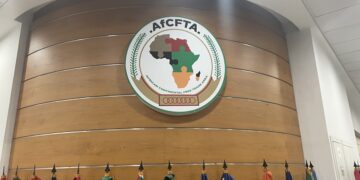
To mitigate the economic fallout from the Iran-Israel conflict, African nations must seize the opportunity to strengthen regional cooperation and diversify their economies. Africa should keep investing in intra-African trade through platforms like the African Continental Free Trade Area (AfCFTA), so the continent can reduce its reliance on external markets that are “vulnerable” to global conflicts. Strengthening sectors such as agriculture, manufacturing, and renewable energy will not only boost self-reliance but also provide a buffer against rising global commodity prices and supply chain disruptions. With strategic partnerships, Africa can build economic resilience, ensuring that external conflicts have a limited impact on its internal economic stability.

On the security front, Africa can capitalize on its growing geopolitical relevance by positioning itself as a neutral mediator in global conflicts. By fostering diplomatic dialogue and peace initiatives, African nations can not only contribute to global stability but also strengthen their own security frameworks. Building stronger alliances with non-aligned global powers and regional blocs can ensure that Africa’s voice is heard in international discussions, while enhancing intelligence-sharing and defense cooperation will help counter any security threats that may arise as a result of the conflict. By proactively engaging in diplomacy and prioritizing regional stability, Africa can turn the challenges of the Iran-Israel conflict into an opportunity for strategic growth and increased global influence.

Political Alliances and Diplomacy

Diplomatic relations between African nations and Iran or Israel can also evolve due to the conflict. Some African countries maintain strong ties with Israel, often due to economic, technological, or military cooperation. As Iran attempts to expand its influence, these nations may feel pressured to reassess their alliances. For example, countries in East Africa that have developed relationships with Israel for agricultural and technological advancement might find themselves navigating a complex diplomatic landscape, especially if they face pressure from other regional players who are aligned with Iran.

In addition, the geopolitical landscape in Africa is influenced by external powers that have vested interests in the Iran-Israel conflict. Countries like the United States, Russia, and China are deeply involved in the region, often through military aid, trade partnerships, or diplomatic engagement. Their stances on the Iran-Israel conflict can ripple through Africa, as local governments might align their policies with those of these global powers to secure favorable outcomes. This alignment could either bolster or undermine local governance and political stability, depending on the motivations of these external actors.

However, the conflict presents opportunities for African countries to engage in peacebuilding initiatives. As the African Union and regional bodies like ECOWAS increasingly take on roles in conflict resolution, they could facilitate dialogue and encourage negotiations that may extend beyond the Middle East. By promoting stability and cooperation, African nations can assert their influence on the global stage, potentially mediating discussions between conflicting parties.

Moreover, the conflict is also proof that African nations need to develop autonomous security frameworks. As they face the potential fallout from external conflicts, building robust security infrastructure becomes imperative. Countries in Africa can learn from the experiences of their counterparts in the Middle East and assess their vulnerabilities. This proactive approach could foster collaboration among African states to counter emerging threats, including those potentially stemming from Iranian influence.

Cultural exchanges also provide a unique perspective on the implications of the Iran-Israel conflict in Africa. As Iranian cultural influence spreads through media and diaspora communities, it can shape perceptions and ideologies across the continent. This soft power could resonate with African audiences who relate to Iran’s narrative of resistance against perceived Western hegemony. Conversely, Israeli culture, through its technological advancements and innovations, might appeal to African nations seeking development solutions. These cultural interactions could foster a more subtle understanding of the conflict, encouraging dialogue and cooperation rather than division.

The situation also highlights the importance of regional organizations in addressing the implications of the Iran-Israel conflict. The African Union and regional economic communities have a role in mediating tensions and promoting collaboration among member states. These organizations can provide platforms for dialogue, enabling African nations to discuss shared security concerns and economic interests. A collective approach to addressing external conflicts can enhance Africa’s resilience and capacity to respond to global geopolitical shifts.

Conclusion

Africa is not just an observer in this unfolding drama; it has the potential to be both a battleground and a key player. Will African countries seize the opportunity to assert their influence, or will they be caught in the crossfire of larger power struggles? The consequences of this conflict are far-reaching, pushing nations to rethink their alliances, security strategies, and economic prospects.

Thus, African nations must remain vigilant and proactive, leveraging their positions to foster stability, cooperation, and sustainable development amidst the evolving geopolitical landscape. The potential for both challenges and opportunities underlines the importance of strategic planning and diplomatic engagement, allowing African countries to shape their destinies in an increasingly interconnected world.

Read also

Nigeria and South Africa seek to ease tensions over xenophobic attacks

A day in the life of Congo’s overstretched Ebola surveillance teams

IMF completes final review of Ghana lending program, unlocks $371 million

ــــــــــــــ

This article expresses the views and opinions of the author and does not necessarily reflect the views of Qiraat Africa and its editors.
Source: Qiraat Africa
Tags: Gaza warIran-Africa relationsIran-Israel conflictIsrael-Palestine conflictPalestine
Hammed J. Sulaiman

Hammed J. Sulaiman

Writer and Graduate of law at Usmanu Danfodiyo University, Sokoto.

Related Posts

South Africa promises crackdown on xenophobic attacks after Ghana protests
Featured

Ghana repatriating another 1,000 nationals from South Africa

July 27, 2026
Burkina Faso declares UN coordinator persona non grata
East Africa

Ugandan diplomat Otunnu joins race to become next UN head

July 27, 2026
Pollution linked to French-British oil firm’s Congo operations poses health risks, report says
Central Africa

Pollution linked to French-British oil firm’s Congo operations poses health risks, report says

July 27, 2026
Gabon opposition leader jailed for political reasons, his lawyers say
Central Africa

Gabon opposition leader jailed for political reasons, his lawyers say

July 26, 2026
Senegalese leader Bassirou Diomaye Faye denies rift with PM Ousmane Sonko
Featured

Senegal’s President Faye launches new party, cementing ruling camp split

July 26, 2026
Africa facing $10-$20 billion economic hit from ‘super’ El Niño, AfDB climate chief warns
East Africa

Africa facing $10-$20 billion economic hit from ‘super’ El Niño, AfDB climate chief warns

July 26, 2026

Search Qiraat Africa

No Result
View All Result

Follow on Twitter

Follow @africanqiraat

Trending

Brief History and Culture of the City of Lagos, Nigeria

Brief History and Culture of the City of Lagos, Nigeria

July 24, 2024
Al-Hajj Salim Suwari (fl. c. 13th–15th century): West African Soninke Islamic scholar

Al-Hajj Salim Suwari (fl. c. 13th–15th century): West African Soninke Islamic scholar

July 17, 2026
Zaghawa people of northeastern Chad and western Sudan

Zaghawa people of northeastern Chad and western Sudan

March 3, 2026
Bakiga / Abakiga of northern Rwanda and southern Uganda

Bakiga / Abakiga of northern Rwanda and southern Uganda

July 15, 2026
Samori Touré (1830-1900): Military leader and founder of Wassoulou Empire

Samori Touré (1830-1900): Military leader and founder of Wassoulou Empire

January 11, 2026
Rashaida of the coastal plain of the Red Sea

Rashaida of the coastal plain of the Red Sea

July 10, 2026

Facebook

Sections

  • About Us
  • Privacy Policy
  • Opinion
  • Infographics
  • News
  • Analysis
  • Figures
  • Culture & Literature
  • Follow Ups
  • Historical Readings
  • Interview
  • Studies


© Copyright Qiraat Africa. Developed by Bunnaj Media .

No Result
View All Result
  • News
  • Analysis & Report
  • Studies
  • Opinion
  • Interview
  • Culture & Literature
  • Figures
  • Historical Readings
  • Regions

© 2021 Copyright Qiraat Africa.