

























By Adam Abdurraheem* & Ahmadulbadawy Abdul Raheem
The terms “Adio” and “Iddio”([1]) refer to populations in Central Africa, situated at the intersection of river basins, forests, and savannas across the Central African Republic, South Sudan, and the northeastern Democratic Republic of the Congo. In various historical and anthropological records, these names appear in association or overlap with the term “Makaraka” and fall within the broader cultural and linguistic sphere of the “Azande” peoples ([2]).
Researchers note that the exonyms—names applied by outsiders—found in the accounts of 19th-century travellers and colonial administrators often conflated local self-designations with labels imposed by neighbouring groups or trade and military networks. Consequently, a careful examination of the origins and usage of these names is essential for understanding the region’s historical record ([3]).
In ethnographic literature documenting the pre-colonial era and the onset of colonial rule in the Equatoria region, Bahr el Ghazal, and the upper Uele River basin, the terms “Adio” or “Iddio” were used to denote groups closely related to the Azande, or populations that emerged from regional processes of expansion, military alliances, and kinship ties ([4]).
Historical analysis of Western perceptions of the Azande reveals that European travellers relied on local informants and interpreters from various ethnic groups. Terms such as “Makaraka” and “Adio” found their way into European maps and writings as ethnic or regional labels, though they did not necessarily denote a stable political or linguistic entity over time ([5]).
Distinguishing between an “ethnic label” and “linguistic or political affiliation” is crucial when studying borderland societies in Central Africa—a region that predates modern political boundaries and where human groups were constantly formed and dissolved through migrations, conquests, population integration, and local alliances ([6]). Therefore, an objective approach to the term “Adio/Iddio” requires viewing it as a multi-layered ethnographic and historical concept, where oral traditions intersect with the accounts of travellers and comparative linguistic studies ([7]).
Adio/Iddio’s Historical Geography and Patterns of Movement in Central Africa
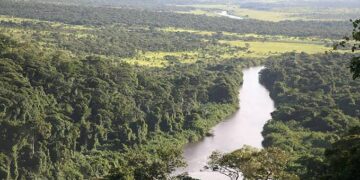
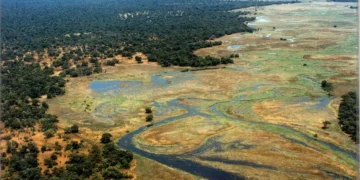
Historical references concerning the Adio/Iddio are situated within a geographical expanse that stretches across parts of Central Africa and present-day South Sudan—specifically the Equatoria region, the vicinity of Bahr el Ghazal, and the Uele River basin—a landscape where wooded savannas border waterways and transitional forests ([8]). This geographical area served as a corridor for human migration, commercial exchange, and military engagement—involving both local kingdoms and chiefdoms and external forces active during the nineteenth century, such as ivory and slave traders, the Ottoman-Egyptian administration in Sudan, and, subsequently, European colonial powers.
Historical accounts and literature concerning the region indicate that the groups identified as “Adio” or “Makaraka” were involved in military movements and regional migrations throughout the eighteenth and nineteenth centuries. Certain branches of these groups either broke away or settled in areas adjacent to other communities—such as the Kakwa, Mundu, and Pojullo—within the Equatoria region. This positioning along ethnic frontiers has resulted in an intermingling of settlements and villages; these groups interact daily with their neighbours through marriage, kinship ties, agricultural labour, and the exchange of goods.
The political and territorial shifts of the twentieth century have directly influenced population distribution in Central Africa. Administrative and colonial boundaries—and later the borders of independent states—have fragmented regions that were once characterised by fluid, continuous movement. Consequently, tracing the presence of these designations requires linking the physical geography of the White Nile, the Aweil basin, and the Bahr el Ghazal region with the political and administrative history of the Central African Republic, South Sudan, and the surrounding areas ([9]).
Linguistic Structure and Cultural Interplay
From a linguistic perspective, the Azande languages and their close relatives fall within the Ubangian branch of the Niger-Congo language family in Central Africa. In the same region, these coexist with languages belonging to other families, such as the Nilo-Saharan family ([10]). Field-based linguistic studies in South Sudan and Central Africa indicate that prolonged contact between smaller groups and surrounding communities has frequently led to language shift or multilingualism. For instance, members of the “Adio” group may speak neighbouring languages—such as Mundu or Kakwa—depending on their place of residence and the extent of their local integration ([11]).
This multilingualism reflects the fact that social identity in Central Africa does not always align with a single, isolated language. Daily communication in markets, villages, and schools is shaped by demographic power dynamics and the prevalence of “lingua francas”—such as Sango and French in the Central African Republic or various local languages, English, and Arabic in the context of South Sudan.
Documentary linguistic research serves as a crucial tool for disentangling the confusion between a group’s ethnonym (the name by which it is known) and the actual classification of its language; individuals may be identified as belonging to a specific historical group, even though their mother tongue is closely related to—or deeply influenced by—the language of their neighbours ([12]).
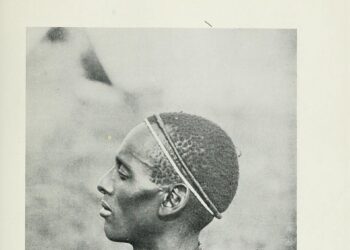
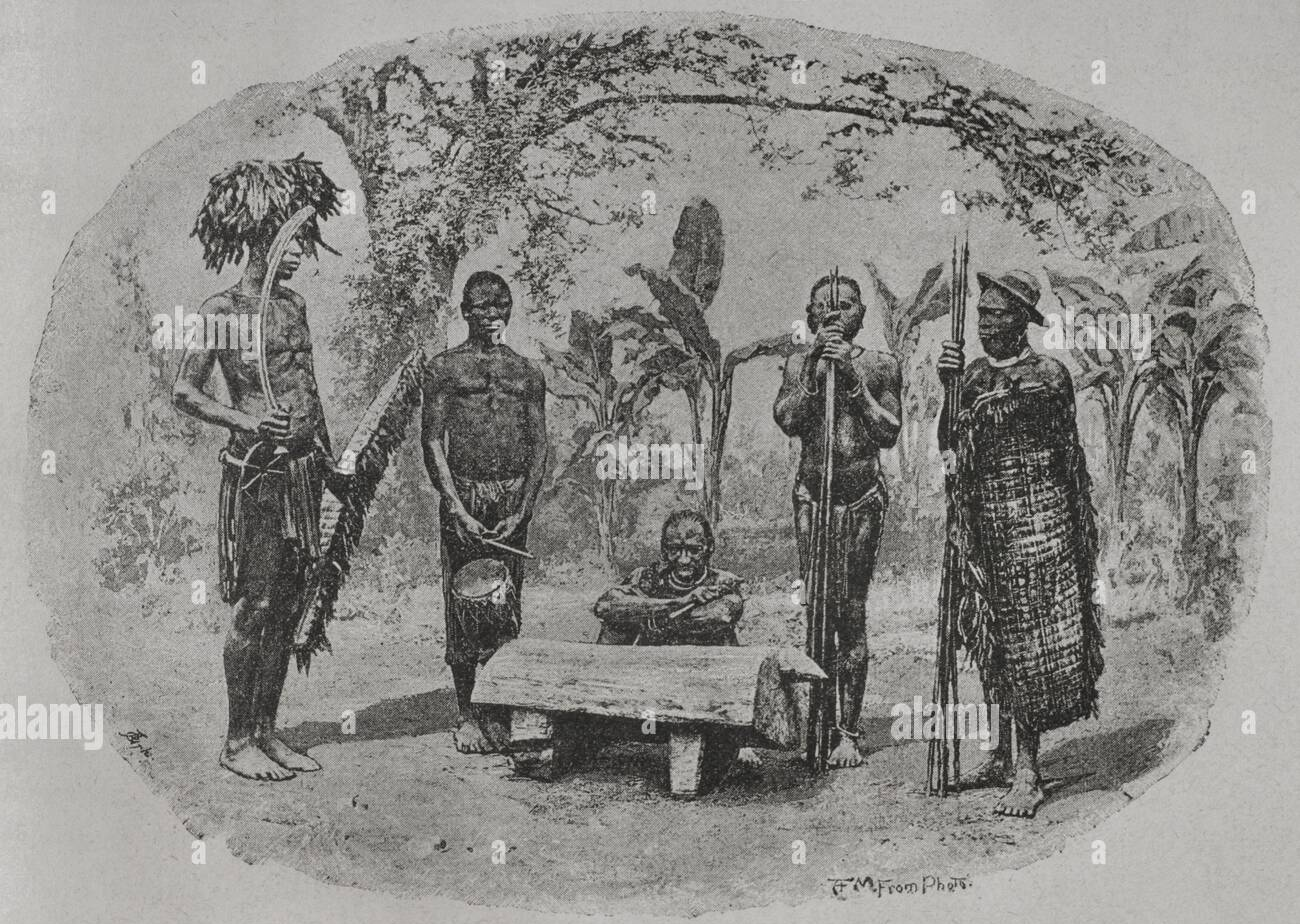
Culturally, the groups associated with the Azande and Adio sphere share material and symbolic elements—documented in museum collections, as well as in photographic and ethnographic archives—including crafts such as blacksmithing, pottery, and carpentry, alongside tools, knives, and symbols of authority or warfare collected during the nineteenth and early twentieth centuries ([13]).
Economy, Society, and Contemporary Challenges
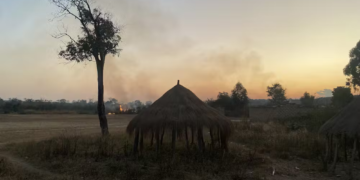
Traditional economic activity in these rural regions of Central Africa and South Sudan relies primarily on subsistence agriculture—cultivating crops such as cassava, sorghum, maize, beans, and sweet potatoes—complemented by hunting, the gathering of forest resources, and local crafts. The agricultural cycle is tied to the alternation of rainy and dry seasons, while soil fertility and water availability—whether abundant or scarce—directly influence the stability of villages and the scale of subsistence production ([14]).
The social and political structure has been characterised by the presence of local leaderships, clans, and chiefdoms. Over the centuries, this structure has been influenced by neighbouring governance systems, colonial administrations, and, subsequently, modern nation-states. In smaller societies—or those integrated into a broader context—local customs intersect with the state’s administrative and legal systems, as well as with religious beliefs. The latter have undergone significant transformations, particularly with the spread of Christianity and its coexistence with traditional practices ([15]).
Rural and border communities in Central Africa and South Sudan face a range of structural challenges. These include armed conflict, population displacement, inadequate health and educational infrastructure, and endemic diseases—such as African trypanosomiasis, transmitted by the tsetse fly in certain ecological zones. Also, migration toward urban centres accelerates cultural and linguistic integration, leading to a decline in the use of smaller, local languages (Human Rights Watch, 2026; Pasch, 2010). The scarcity of recent, accurate demographic surveys in remote or conflict-affected areas limits the availability of definitive population figures.
ــــــــــــــــــــــــــــــــــــــــــــ
[1] 101lasttribes (n.d). Adio / Iddio / Makaraka. https://www.101lasttribes.com/tribes/adio.html
[2] Ivanov, P. (2002). Cannibals, warriors, conquerors, and colonizers: Western perceptions and Azande historiography. History in Africa, 29, 89–217. https://doi.org/10.2307/3172160
[3] Morton, C. (2015). Richard Buchta and the Visual Representation of Equatoria in the Later 19th Century. Oxford University Research Archive. h https://ora.ox.ac.uk/objects/uuid:01d588b3-cbf9-4655-8d7b-7b4a8d8a42bd/files/md710b45f706b19a8a42fc1f8914a884f
[4] Casati, G. (1891). Ten years in Equatoria and the return with Emin Pasha (Vols. 1–2). Frederick Warne and Co. https://archive.org/details/tenyearsinequato0001gaet
[5] Ivanov, P. (2002), op. cit.
[6] Evans-Pritchard, E. E. (1967). The Zande trickster. Clarendon Press;
Pasch, H. (2010). Mündü, an endangered language of Southern Sudan. University of Cologne. https://kups.ub.uni-koeln.de/5090/1/The_Mundu10.pdf
[7] Ivanov, P. (2002), op. Cit.; Morton, C. (2015), op. Cit.
[8] Casati, G. (1891), op. Cit.
[9] Ibid.
[10] Ethnologue. (n.d.). Central African Republic: Languages, literacy, & maps. SIL International. https://www.ethnologue.com/country/CF/
[11] 101lasttribes (n.d). op. Cit.
[12] Pasch (2010). op. Cit.
[13] Evans-Pritchard (1967), op. Cit.; Morton (2015), op. Cit.
[14] Ibid.
[15] Evans-Pritchard (1967), op. Cit.; Pasch (2010), op. Cit.