





Qiraat Africa
عربي  |  Fr
Advertisement
  • News
    • All
    • Climate Change
    • Economy
    • Education
    • Energy
    • Health
    • Migration
    • Mining
    • Politics
    • Security
    • Society
    • Sport
    Uganda’s president appoints son as military chief

    Son of Uganda’s president says he will stand for top job in 2031

    Nigeria declares state of emergency in Rivers State over pipeline vandalism

    Nigeria’s president orders rescue after mass kidnapping exposes security failings

    African Union to launch African credit rating agency in October, adviser says

    African Union to launch African credit rating agency in October, adviser says

    DR Congo’s President Tshisekedi calls for sanctions against Rwanda

    DRC opposition urges Tshisekedi to abandon constitutional changes

    Rwanda says “deeply concerned” by “dramatic military build-up” on its border with DR Congo

    Rwanda’s Kagame Calls FDLR Disarmament Efforts ‘Superficial’

    South Sudan

    Two U.N. peacekeepers from Ethiopia killed in South Sudan ambush

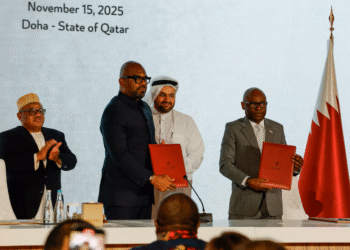
    Congo, M23 sign framework for peace in Qatar, more steps needed

    Ceasefire monitors deploy in eastern Congo under Qatari peace deal

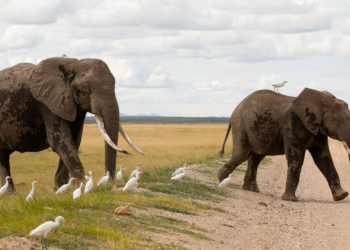
    Kenya probes potential toxin after 15 elephants die in Amboseli ecosystem

    Kenya arrests four in probe into 18 elephant deaths in Amboseli

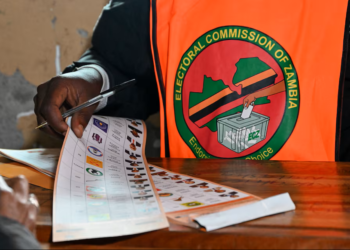
    Zambia says it arrested opposition figures on night of elections

    Zambia closes courts on last day to file election challenge

  • Analysis
    • All
    • Climate Change
    • Digital & Tech
    • Economy
    • Energy & Power
    • Health
    • Politics
    • Security
    • Society
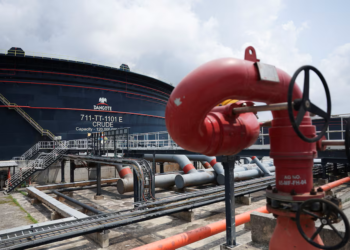
    Zambia signs $1.1 Billion deal to build major oil refinery in Copperbelt

    Is Zambia’s Economy Rebounding Under President Hakainde Hichilema?

    Nigeria considers crude supply reforms to aid Dangote, other refiners

    Refinery rivalry: billion‑dollar oil projects expose East Africa’s long‑running regional tensions

    Zambia’s chaotic but decisive election: government demonstrates strength, democracy shows weakness

    Zambia’s chaotic but decisive election: government demonstrates strength, democracy shows weakness

    African Finance Corp says Gabon political situation a ‘good coup’

    Why African countries must rethink how they grow their economies

    DR Congo says it will receive third-country deportees under new deal with US

    Beyond the Outbreak: How Ebola Reshaped East & Central Africa’s Economies

    What Happens After Dandora? Kenya’s Green Transition Faces Its Hardest Test

    What Happens After Dandora? Kenya’s Green Transition Faces Its Hardest Test

    African entrepreneurs work in challenging environments, and others may benefit from the skills they have developed

    African entrepreneurs work in challenging environments, and others may benefit from the skills they have developed

    Ethiopia’s 2026 General Election: Progress, Challenges, and Implications

    Ethiopia’s 2026 General Election: Progress, Challenges, and Implications

    Israeli recognition of Somaliland is a ‘calculated distraction,’ Somali diplomat says

    Sixty-Six Years On, the Promise of Somali Independence Remains Unfulfilled.

  • Studies
    China could drive Africa’s renewable energy revolution, report says

    A study shows wind and solar projects in Kenya and South Africa don’t always benefit the communities that host them

    Angola’s lengthy war shaped the way farmers utilised fire—why it matters

    Angola’s lengthy war shaped the way farmers utilised fire—why it matters

    Schooling is the most severely affected by conflict when children are the target – Study

    Schooling is the most severely affected by conflict when children are the target – Study

    Pensions for Botswana’s elderly are expanding, but care services are lacking—study follows 20 years

    Pensions for Botswana’s elderly are expanding, but care services are lacking—study follows 20 years

    60 new cosmic structures have been discovered by South Africa’s MeerKAT telescope, which is mapping previously unseen gaps between galaxies

    60 new cosmic structures have been discovered by South Africa’s MeerKAT telescope, which is mapping previously unseen gaps between galaxies

    Benin government says armed forces foil coup attempt

    Coup contagion? A rash of African power grabs suggests copycats are taking note of others’ success

    One in three South Africans have never heard of AI: what this means for policy

    One in three South Africans have never heard of AI: what this means for policy

    Social Media as a Catalyst for the Spread of Dangerous Wealth Ritual Myths

    Social Media as a Catalyst for the Spread of Dangerous Wealth Ritual Myths

    Overcoming Education Barriers for Young Mothers in Sub-Saharan Africa

    Overcoming Education Barriers for Young Mothers in Sub-Saharan Africa

  • Infographics
  • Figures
    Zumbi dos Palmares (1655-1695): Afro-Brazilian leader of the great Palmares Quilombo

    Zumbi dos Palmares (1655-1695): Afro-Brazilian leader of the great Palmares Quilombo

    Léon M’ba (1902-1967): First president of independent Gabon

    Léon M’ba (1902-1967): First president of independent Gabon

    Namibia to vote in toughest election yet for ruling party

    Netumbo Nandi-Ndaitwah: President of Namibia

    Ahmadu Bello (1910-1966): Nigerian statesman

    Ahmadu Bello (1910-1966): Nigerian statesman

    Cameroon President Paul Biya marks 41 years in power

    Paul Biya: President of Cameroon

    Al-Hajj Salim Suwari (fl. c. 13th–15th century): West African Soninke Islamic scholar

    Al-Hajj Salim Suwari (fl. c. 13th–15th century): West African Soninke Islamic scholar

    Strive Masiyiwa: Zimbabwean businessman and philanthropist

    Strive Masiyiwa: Zimbabwean businessman and philanthropist

    Diébédo Francis Kéré: Burkinabé-German architect

    Diébédo Francis Kéré: Burkinabé-German architect

    Herbert Wigwe (1966-2024): Nigerian banker and businessman

    Herbert Wigwe (1966-2024): Nigerian banker and businessman

  • History
    Lower Valley of the Omo, Ethiopia

    Lower Valley of the Omo, Ethiopia

    Sudano-Sahelian style mosques, northern Côte d’Ivoire

    Sudano-Sahelian style mosques, northern Côte d’Ivoire

    Taï National Park, Côte d’Ivoire

    Taï National Park, Côte d’Ivoire

    Medinas, the Historic Sultanates of the Comoros

    Medinas, the Historic Sultanates of the Comoros

    Aldabra Atoll, Seychelles

    Aldabra Atoll, Seychelles

    Le Morne Cultural Landscape, Mauritius

    Le Morne Cultural Landscape, Mauritius

    Mount Nimba Strict Nature Reserve, Guinea and Côte d’Ivoire

    Mount Nimba Strict Nature Reserve, Guinea and Côte d’Ivoire

    Sangha Trinational, north-western Congo Basin

    Sangha Trinational, north-western Congo Basin

    Kasubi Tombs, Kampala, Uganda

    Kasubi Tombs, Kampala, Uganda

  • Others
    • Culture / Literature
    • Interview
    • Opinion
  • Countries
    • Country profiles
    • Regions
      • Central Africa
      • East Africa
      • Southern Africa
      • West Africa
No Result
View All Result
  • News
    • All
    • Climate Change
    • Economy
    • Education
    • Energy
    • Health
    • Migration
    • Mining
    • Politics
    • Security
    • Society
    • Sport
    Uganda’s president appoints son as military chief

    Son of Uganda’s president says he will stand for top job in 2031

    Nigeria declares state of emergency in Rivers State over pipeline vandalism

    Nigeria’s president orders rescue after mass kidnapping exposes security failings

    African Union to launch African credit rating agency in October, adviser says

    African Union to launch African credit rating agency in October, adviser says

    DR Congo’s President Tshisekedi calls for sanctions against Rwanda

    DRC opposition urges Tshisekedi to abandon constitutional changes

    Rwanda says “deeply concerned” by “dramatic military build-up” on its border with DR Congo

    Rwanda’s Kagame Calls FDLR Disarmament Efforts ‘Superficial’

    South Sudan

    Two U.N. peacekeepers from Ethiopia killed in South Sudan ambush

    Congo, M23 sign framework for peace in Qatar, more steps needed

    Ceasefire monitors deploy in eastern Congo under Qatari peace deal

    Kenya probes potential toxin after 15 elephants die in Amboseli ecosystem

    Kenya arrests four in probe into 18 elephant deaths in Amboseli

    Zambia says it arrested opposition figures on night of elections

    Zambia closes courts on last day to file election challenge

  • Analysis
    • All
    • Climate Change
    • Digital & Tech
    • Economy
    • Energy & Power
    • Health
    • Politics
    • Security
    • Society
    Zambia signs $1.1 Billion deal to build major oil refinery in Copperbelt

    Is Zambia’s Economy Rebounding Under President Hakainde Hichilema?

    Nigeria considers crude supply reforms to aid Dangote, other refiners

    Refinery rivalry: billion‑dollar oil projects expose East Africa’s long‑running regional tensions

    Zambia’s chaotic but decisive election: government demonstrates strength, democracy shows weakness

    Zambia’s chaotic but decisive election: government demonstrates strength, democracy shows weakness

    African Finance Corp says Gabon political situation a ‘good coup’

    Why African countries must rethink how they grow their economies

    DR Congo says it will receive third-country deportees under new deal with US

    Beyond the Outbreak: How Ebola Reshaped East & Central Africa’s Economies

    What Happens After Dandora? Kenya’s Green Transition Faces Its Hardest Test

    What Happens After Dandora? Kenya’s Green Transition Faces Its Hardest Test

    African entrepreneurs work in challenging environments, and others may benefit from the skills they have developed

    African entrepreneurs work in challenging environments, and others may benefit from the skills they have developed

    Ethiopia’s 2026 General Election: Progress, Challenges, and Implications

    Ethiopia’s 2026 General Election: Progress, Challenges, and Implications

    Israeli recognition of Somaliland is a ‘calculated distraction,’ Somali diplomat says

    Sixty-Six Years On, the Promise of Somali Independence Remains Unfulfilled.

  • Studies
    China could drive Africa’s renewable energy revolution, report says

    A study shows wind and solar projects in Kenya and South Africa don’t always benefit the communities that host them

    Angola’s lengthy war shaped the way farmers utilised fire—why it matters

    Angola’s lengthy war shaped the way farmers utilised fire—why it matters

    Schooling is the most severely affected by conflict when children are the target – Study

    Schooling is the most severely affected by conflict when children are the target – Study

    Pensions for Botswana’s elderly are expanding, but care services are lacking—study follows 20 years

    Pensions for Botswana’s elderly are expanding, but care services are lacking—study follows 20 years

    60 new cosmic structures have been discovered by South Africa’s MeerKAT telescope, which is mapping previously unseen gaps between galaxies

    60 new cosmic structures have been discovered by South Africa’s MeerKAT telescope, which is mapping previously unseen gaps between galaxies

    Benin government says armed forces foil coup attempt

    Coup contagion? A rash of African power grabs suggests copycats are taking note of others’ success

    One in three South Africans have never heard of AI: what this means for policy

    One in three South Africans have never heard of AI: what this means for policy

    Social Media as a Catalyst for the Spread of Dangerous Wealth Ritual Myths

    Social Media as a Catalyst for the Spread of Dangerous Wealth Ritual Myths

    Overcoming Education Barriers for Young Mothers in Sub-Saharan Africa

    Overcoming Education Barriers for Young Mothers in Sub-Saharan Africa

  • Infographics
  • Figures
    Zumbi dos Palmares (1655-1695): Afro-Brazilian leader of the great Palmares Quilombo

    Zumbi dos Palmares (1655-1695): Afro-Brazilian leader of the great Palmares Quilombo

    Léon M’ba (1902-1967): First president of independent Gabon

    Léon M’ba (1902-1967): First president of independent Gabon

    Namibia to vote in toughest election yet for ruling party

    Netumbo Nandi-Ndaitwah: President of Namibia

    Ahmadu Bello (1910-1966): Nigerian statesman

    Ahmadu Bello (1910-1966): Nigerian statesman

    Cameroon President Paul Biya marks 41 years in power

    Paul Biya: President of Cameroon

    Al-Hajj Salim Suwari (fl. c. 13th–15th century): West African Soninke Islamic scholar

    Al-Hajj Salim Suwari (fl. c. 13th–15th century): West African Soninke Islamic scholar

    Strive Masiyiwa: Zimbabwean businessman and philanthropist

    Strive Masiyiwa: Zimbabwean businessman and philanthropist

    Diébédo Francis Kéré: Burkinabé-German architect

    Diébédo Francis Kéré: Burkinabé-German architect

    Herbert Wigwe (1966-2024): Nigerian banker and businessman

    Herbert Wigwe (1966-2024): Nigerian banker and businessman

  • History
    Lower Valley of the Omo, Ethiopia

    Lower Valley of the Omo, Ethiopia

    Sudano-Sahelian style mosques, northern Côte d’Ivoire

    Sudano-Sahelian style mosques, northern Côte d’Ivoire

    Taï National Park, Côte d’Ivoire

    Taï National Park, Côte d’Ivoire

    Medinas, the Historic Sultanates of the Comoros

    Medinas, the Historic Sultanates of the Comoros

    Aldabra Atoll, Seychelles

    Aldabra Atoll, Seychelles

    Le Morne Cultural Landscape, Mauritius

    Le Morne Cultural Landscape, Mauritius

    Mount Nimba Strict Nature Reserve, Guinea and Côte d’Ivoire

    Mount Nimba Strict Nature Reserve, Guinea and Côte d’Ivoire

    Sangha Trinational, north-western Congo Basin

    Sangha Trinational, north-western Congo Basin

    Kasubi Tombs, Kampala, Uganda

    Kasubi Tombs, Kampala, Uganda

  • Others
    • Culture / Literature
    • Interview
    • Opinion
  • Countries
    • Country profiles
    • Regions
      • Central Africa
      • East Africa
      • Southern Africa
      • West Africa
No Result
View All Result
Qiraat Africa
عربي  |  Fr
No Result
View All Result
Home Analysis & Report Economy

Is Zambia’s Economy Rebounding Under President Hakainde Hichilema?

Oyebamiji Usman Adesoji by Oyebamiji Usman Adesoji
August 26, 2026
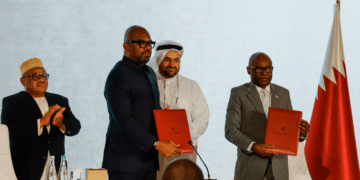
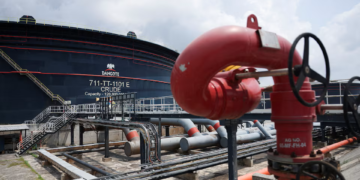
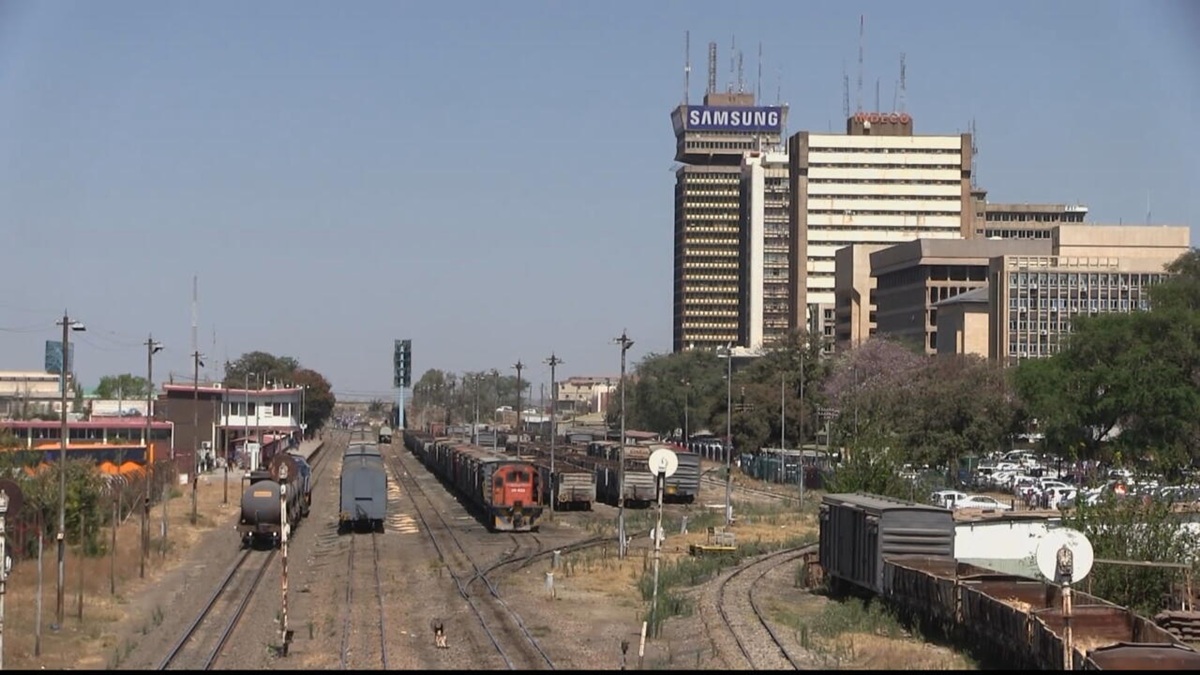
Zambia signs $1.1 Billion deal to build major oil refinery in Copperbelt
Share on FacebookShare on Twitter

Zambia presents an evidently different macroeconomic image as a result of ease in inflation, strengthened foreign exchange reserves, and restored confidence by the international financial institutions and has significantly progressed in the area of debt restructuring. Annual inflation slowed to 6.5% in June, its lowest level in more than ​eight years, underscoring Zambia’s economic recovery after its debt crisis, though many households still say they are ⁠struggling. The International Monetary Fund projects Zambia’s economy to grow 4.3% this year from 3.8% last year, ⁠and foreign ​investment has picked up.

Besides, the central question, therefore, remains: has Zambia truly rebounded under President Hakainde Hichilema, or has macroeconomic stabilisation yet to translate into broad-based economic prosperity? The answer is nuanced.

What is the economic crisis Hichilema inherited?

After the general elections of August 2021, Zambia’s new administration faces a daunting challenge of reversing economic contraction, lowering income-eroding inflation, and addressing the unsustainable national debt. Then, the country has been one of the few to seek debt restructuring under the G20’s new Common Framework for Debt Treatments, and its immediate priorities include a prospective agreement with the International Monetary Fund (IMF).

During that period, young Zambians were eager for jobs and improved living standards. But the government’s ambition to create more jobs and achieve middle-income status depended on both attracting new investment into its copper sector and pursuing a programme of economic diversification supporting growth beyond the mining industry.

In 2011, when the Patriotic Front first came to power, Zambia’s external debt stood at US$1.9 billion. By the time they left office in 2021, that figure had exploded to US$18.6 billion. President Hichilema did what was politically painful but economically essential: he engaged the IMF, entered a structured reform programme, and successfully restructured 94% of Zambia’s external debt. Annual debt service payments, the money that was being swallowed by interest before it could reach schools or clinics, have been reduced from US$2.3 billion per year to approximately US$900 million. That is over US$1.4 billion redirected toward Zambian lives every single year.

In July, Finance Minister Situmbeko Musokotwane noted that Zambia is aiming to agree a new International Monetary ‌Fund programme by the end of the year as it seeks to boost investment and growth after emerging from a sovereign debt default. The report said the copper-rich Southern African country’s previous $1.7 billion IMF programme ended in January, ​with the funding underpinning Zambia’s debt restructuring.

“Our wish is that certainly before the end of the ​year, we should have agreed with the Fund,” Musokotwane told Reuters in an interview. “We ⁠need to do more than just get out of the debt crisis. We need to attract investments ​now so that growth takes place and jobs are created,” Musokotwane added.

A new programme will centre on channelling ​capital into mining, energy and agriculture to fund job creation for a population that has grown sevenfold since independence, he said. That also meant it was “too soon” for a new international bond issuance, with the government wanting to cement its IMF relationship ​and rebuild investor confidence before seeking fresh market financing.

How Macroeconomic Indicators Show Significant Improvement

However, in March 2026, authorities updated the 2025 real GDP growth estimate to 3.8%—the same level as 2024—due to underperformance in information communications and technology, wholesale and retail trade, and finance and insurance. Real GDP per capita growth increased to 2.4% from 1.0% over 2024–25.

Fiscal pressures have intensified in 2026. The primary surplus is now projected at 1.1 per cent of GDP, compared to 3.8 per cent at the time of the Sixth Review of the completed ECF programme. The deterioration reflects weaker tax collection, including from the suspension of fuel VAT and excise duties; spending pressures in the run-up to the elections; a civil service wage adjustment; and agricultural subsidy overruns of about 1.3 per cent of GDP. In addition, significant fiscal risks stemming from the Food Reserve Agency will require decisive mitigating measures. Domestic VAT revenue collection continues to underperform, reflecting structural and administrative weaknesses at the Zambia Revenue Authority, while the accumulation of a VAT refund backlog is weighing on taxpayer compliance. Advancing fiscal structural reforms remains essential to generate durable revenue gains, broaden the tax base, and support a more progressive, equitable, and less complex tax system.

However, surging global copper demand and a wave of new mining investment would support growth, he said. Musokotwane said demand for metals including copper “is ​going to ⁠give us a big surge in terms of growth in the coming few years”. He said priorities for the next administration following the August 13 election, opens new tab, included reforms on tax. “We have to push hard on more tax revenue collection, not ⁠by imposing ​new taxes but by encouraging and pushing through higher efficiency,” ​he said

The southern ‌African country’s previous $1.7-billion programme with the International Monetary Fund, which underpinned the government’s sovereign debt restructuring, ended in January. Investors see a new IMF programme as the clearest test of policy continuity after the debt restructuring process. They are watching for two things in particular: how quickly talks conclude and whether the conditionality shifts from crisis management towards ​boosting growth. Any new deal will need to retain fiscal discipline while pivoting toward growth.

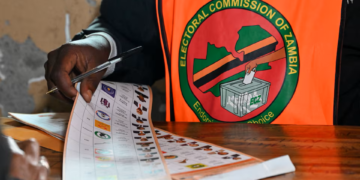
Zambians vote on August 13 in presidential and parliamentary elections, with polls and investors widely expecting President Hakainde Hichilema to defeat a fragmented opposition led by Brian Mundubile. Mundubile, a 55-year-old lawyer and member of parliament before the election was called, has never run for president before and emerged as a late contender after a fractured opposition rallied behind him. Although Zambia has a history of democratic transitions, the ​opposition has accused Hichilema of restricting its ability to campaign and suppressing political dissent, charges he denies.

However, the recent policy rate cut reflects the Bank of Zambia’s (BoZ) improved inflation outlook. Experts say the BoZ should remain guided by forward-looking inflation forecasts and alert to upside risks, including from the Middle East conflict. Strong coordination among fiscal and monetary policies will be critical to anchoring inflation expectations. In response to the conflict in the Middle East, the authorities suspended the TAZAMA open-access framework.

Political and Economic Outlook Ahead of August Election

Zambia’s president, Hakainde Hichilema, and his party, the United Party for National Development, according to the constitution, will retain power until the 2026 elections. The southern ‌African country’s previous $1.7-billion programme with the International Monetary Fund, which underpinned the government’s sovereign debt restructuring, ended in January. Investors see a new IMF programme as the clearest test of policy continuity after the debt restructuring process. They are watching for two things in particular: how quickly talks conclude and whether the conditionality shifts from crisis management towards ​boosting growth. Any new deal will need to retain fiscal discipline while pivoting toward growth.

Copper is the backbone of ​Zambia’s economy, generating 70% of export earnings and a key source of government revenue, investment and jobs. Investors will ⁠be watching whether Zambia can convert its foreign direct investment pipeline in the copper sector — including the return of Vedanta, continued investment from Barrick, ​and First Quantum’s ongoing expansion — into actual production gains, given ambitions to triple output over the longer term from roughly 1 million tonnes now.

On policy, Zambia ​has said it has no plans to change mining tax rates. But investors will be tracking the implementation of a local-content bill requiring miners to raise domestic procurement toward 40% over three to four years from 20%. Local suppliers often lack the financing and technical capacity to meet mining industry standards, meaning foreign operators could face ​supply-chain strain or enforcement uncertainty just as they push ahead with major expansions.

Investors would like to see more spending on exploration, ​with only two major new mines coming online in the past decade. Mining, which makes up more than 10% of Zambia’s GDP, is a key driver ‌of growth.

Other ⁠top priorities include increased government efficiencies in tax collection and overhauling the grain market so that private buyers, and not government, absorb Zambia’s growing maize surplus. Standard Chartered says a bumper maize harvest, with output expected to rise to a record this year of 28% year-on-year, will force the government to buy more grain from local farmers. Along with election spending, the bank sees this as a key source of fiscal pressure. The bank forecasts a ​2026 fiscal deficit of about 5.0% ​of GDP, more than double ⁠the government’s original target of 2.1%. Investors worry that without a shift toward private sector-led grain marketing, the state’s purchasing obligations will continue to rise as production expands toward the government’s target of 10 million tonnes.

Read also

Son of Uganda’s president says he will stand for top job in 2031

Nigeria’s president orders rescue after mass kidnapping exposes security failings

African Union to launch African credit rating agency in October, adviser says

On the economic outlook, Musokotwane pointed to risks to growth, including potential fuel price rises linked to the U.S.-Israeli war with Iran and a possible drought next year that could strain hydropower generation. While investors ​say Zambia’s ability to expand copper output will depend heavily on improving power supply after drought-related shortages ​exposed vulnerabilities in the ⁠hydro-dependent electricity system. While investment in solar generation is accelerating, investors will be watching whether reforms can secure reliable power for planned mining expansions.

Conclusion

When President Hichilema assumed office, Zambia was posting a GDP growth rate of -2.8%, inflation had reached 22%, and the country had become the first African nation to default on its debt during the COVID pandemic. The economy was not just struggling; it was in freefall. Today, those same indicators have been reversed. GDP growth is projected at 6.4% for 2026, inflation has been brought down to single digits, and Zambia’s gross international reserves now stand above US$6.5 billion, a figure that would have been unimaginable at the start of this administration. The kwacha has stabilised. The IMF, rarely given to flattery, has confirmed a primary fiscal surplus of 3.1% of GDP in 2025.

Election monitors have flagged risks around voter-card confiscation and vote-buying, while analysts warn of a risk of localised unrest, particularly in the Copperbelt and northern provinces or ⁠among disillusioned ​urban youth, if results are unexpected or contested. Investors are also watching weather and power ​risks. Zambia remains highly vulnerable to drought because of its dependence on hydropower and rain-fed agriculture. The 2023-24 El Niño drought caused widespread crop failures and power shortages, forcing severe load-shedding and weighing ​on economic activity. Another poor rainy season could threaten both electricity generation and growth.

The vote is shaping up as ‌a referendum on Hichilema’s economic record since he took office in 2021, inheriting a country reeling from a sovereign debt default. Africa’s second-largest copper producer has enjoyed an economic rebound supported by high copper prices after restructuring its debt, but many people still feel squeezed by the cost of living, which ​the opposition will aim to exploit. “A lot of our families still need support beyond what we are delivering today, but I want you to know ​we hear you,” Hichilema told supporters at his campaign launch in the capital Lusaka.

The case for re-electing President Hakainde Hichilema is not built on hope — it is built on evidence. Debt restructured. Children are educated. Mines reopened. Jobs created. Reserves rebuilt. Inflation tamed. On August 13, 2026, Zambia has a simple choice: continue building, or start over. The answer is clear.
Source: Qiraat Africa
Tags: Hakainde HichilemaZambia
Oyebamiji Usman Adesoji

Oyebamiji Usman Adesoji

Writer and researcher on business, entrepreneurship and geopolitical affairs.

Related Posts

DR Congo’s President Tshisekedi calls for sanctions against Rwanda
Central Africa

DRC opposition urges Tshisekedi to abandon constitutional changes

August 25, 2026
Rwanda says “deeply concerned” by “dramatic military build-up” on its border with DR Congo
East Africa

Rwanda’s Kagame Calls FDLR Disarmament Efforts ‘Superficial’

August 25, 2026
Nigeria considers crude supply reforms to aid Dangote, other refiners
East Africa

Refinery rivalry: billion‑dollar oil projects expose East Africa’s long‑running regional tensions

August 24, 2026
Congo, M23 sign framework for peace in Qatar, more steps needed
East Africa

Ceasefire monitors deploy in eastern Congo under Qatari peace deal

August 24, 2026
Kenya probes potential toxin after 15 elephants die in Amboseli ecosystem
East Africa

Kenya arrests four in probe into 18 elephant deaths in Amboseli

August 24, 2026
Zambia says it arrested opposition figures on night of elections
Featured

Zambia closes courts on last day to file election challenge

August 24, 2026

Search Qiraat Africa

No Result
View All Result

Follow on Twitter

Follow @africanqiraat

Trending

Africa’s 10 Strongest Currencies in June 2026

Africa’s 10 Strongest Currencies in June 2026

July 8, 2026
The Zande in Central Africa

The Zande in Central Africa

August 19, 2024
Kumbi Saleh, the capital of the ancient Ghana Empire

Kumbi Saleh, the capital of the ancient Ghana Empire

October 13, 2025
300,000 Tanzanians were killed by Germany during the Maji-Maji uprising: why it was genocide and should be called that

300,000 Tanzanians were killed by Germany during the Maji-Maji uprising: why it was genocide and should be called that

November 20, 2023
Walter Sisulu (1912 – 2003): South African activist

Walter Sisulu (1912 – 2003): South African activist

December 5, 2025
Nigerian President says ECOWAS Standby Force should be operationalise now

ECOWAS reaffirms plans to launch single currency in 2027

July 22, 2026

Facebook

Sections

  • About Us
  • Privacy Policy
  • Opinion
  • Infographics
  • News
  • Analysis
  • Figures
  • Culture & Literature
  • Follow Ups
  • Historical Readings
  • Interview
  • Studies


© Copyright Qiraat Africa. Developed by Bunnaj Media .

No Result
View All Result
  • News
  • Analysis & Report
  • Studies
  • Opinion
  • Interview
  • Culture & Literature
  • Figures
  • Historical Readings
  • Regions

© 2021 Copyright Qiraat Africa.