


Qiraat Africa
عربي  |  Fr
Advertisement
  • News
    • All
    • Climate Change
    • Economy
    • Education
    • Energy
    • Health
    • Migration
    • Mining
    • Politics
    • Security
    • Society
    • Sport
    South Africa promises crackdown on xenophobic attacks after Ghana protests

    Ghana repatriating another 1,000 nationals from South Africa

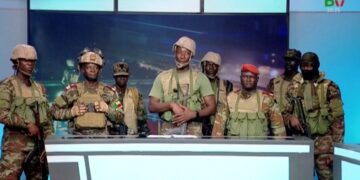
    Burkina Faso declares UN coordinator persona non grata

    Ugandan diplomat Otunnu joins race to become next UN head

    Pollution linked to French-British oil firm’s Congo operations poses health risks, report says

    Pollution linked to French-British oil firm’s Congo operations poses health risks, report says

    Gabon opposition leader jailed for political reasons, his lawyers say

    Gabon opposition leader jailed for political reasons, his lawyers say

    Senegalese leader Bassirou Diomaye Faye denies rift with PM Ousmane Sonko

    Senegal’s President Faye launches new party, cementing ruling camp split

    Africa facing $10-$20 billion economic hit from ‘super’ El Niño, AfDB climate chief warns

    Africa facing $10-$20 billion economic hit from ‘super’ El Niño, AfDB climate chief warns

    Germany vows support for Nigeria on security, seeks expanded economic ties

    Germany vows support for Nigeria on security, seeks expanded economic ties

    Understanding Trump’s Christian Genocide Claim and Military Threat: What It Means for Nigeria-U.S. Relations

    Trump praises Nigeria’s efforts against violence towards Christians

    Mali, Burkina Faso and Niger announce exit from International Criminal Court

    Ghanaian nationals ask ICC to probe xenophobic violence in South Africa

  • Analysis
    • All
    • Climate Change
    • Digital & Tech
    • Economy
    • Energy & Power
    • Health
    • Politics
    • Security
    • Society
    What Happens After Dandora? Kenya’s Green Transition Faces Its Hardest Test

    What Happens After Dandora? Kenya’s Green Transition Faces Its Hardest Test

    African entrepreneurs work in challenging environments, and others may benefit from the skills they have developed

    African entrepreneurs work in challenging environments, and others may benefit from the skills they have developed

    Ethiopia’s 2026 General Election: Progress, Challenges, and Implications

    Ethiopia’s 2026 General Election: Progress, Challenges, and Implications

    Israeli recognition of Somaliland is a ‘calculated distraction,’ Somali diplomat says

    Sixty-Six Years On, the Promise of Somali Independence Remains Unfulfilled.

    Senegal’s top opposition leader Sonko vows to help win March 24 election

    Senegal at a Political Crossroads: The Faye–Sonko Rivalry and the Future of Democratic Governance

    Ulysses in isiZulu: Why an African translation of the classic Irish novel is important in today’s world

    Ulysses in isiZulu: Why an African translation of the classic Irish novel is important in today’s world

    The promise and risks of Kenya’s ambitious new strategy to close refugee camps

    The promise and risks of Kenya’s ambitious new strategy to close refugee camps

    Al Qaeda-linked militants curb their brutality in seized Malian territory

    Al Qaeda-linked militants curb their brutality in seized Malian territory

    Five Years After the Coup in Mali: Are Stability and Growth Within Reach?

    The Political Economy of Insecurity in Mali: Armed Groups, Resources, and State Fragility

  • Studies
    Angola’s lengthy war shaped the way farmers utilised fire—why it matters

    Angola’s lengthy war shaped the way farmers utilised fire—why it matters

    Schooling is the most severely affected by conflict when children are the target – Study

    Schooling is the most severely affected by conflict when children are the target – Study

    Pensions for Botswana’s elderly are expanding, but care services are lacking—study follows 20 years

    Pensions for Botswana’s elderly are expanding, but care services are lacking—study follows 20 years

    60 new cosmic structures have been discovered by South Africa’s MeerKAT telescope, which is mapping previously unseen gaps between galaxies

    60 new cosmic structures have been discovered by South Africa’s MeerKAT telescope, which is mapping previously unseen gaps between galaxies

    Benin government says armed forces foil coup attempt

    Coup contagion? A rash of African power grabs suggests copycats are taking note of others’ success

    One in three South Africans have never heard of AI: what this means for policy

    One in three South Africans have never heard of AI: what this means for policy

    Social Media as a Catalyst for the Spread of Dangerous Wealth Ritual Myths

    Social Media as a Catalyst for the Spread of Dangerous Wealth Ritual Myths

    Overcoming Education Barriers for Young Mothers in Sub-Saharan Africa

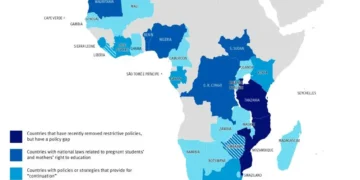
    Overcoming Education Barriers for Young Mothers in Sub-Saharan Africa

    Youth Empowerment Through Vocational Training in Rural Sub-Saharan Africa

    Youth Empowerment Through Vocational Training in Rural Sub-Saharan Africa

  • Infographics
  • Figures
    Al-Hajj Salim Suwari (fl. c. 13th–15th century): West African Soninke Islamic scholar

    Al-Hajj Salim Suwari (fl. c. 13th–15th century): West African Soninke Islamic scholar

    Strive Masiyiwa: Zimbabwean businessman and philanthropist

    Strive Masiyiwa: Zimbabwean businessman and philanthropist

    Diébédo Francis Kéré: Burkinabé-German architect

    Diébédo Francis Kéré: Burkinabé-German architect

    Herbert Wigwe (1966-2024): Nigerian banker and businessman

    Herbert Wigwe (1966-2024): Nigerian banker and businessman

    Senegal president names new finance, energy ministers in reshuffle

    Macky Sall: Former President of Senegal

    Marcus Garvey (1887-1940): Activist, Black nationalist, and Pan-Africanist

    Marcus Garvey (1887-1940): Activist, Black nationalist, and Pan-Africanist

    John B. Russwurm (1799–1851): Jamaican-born American abolitionist, publisher, and colonial governor

    John B. Russwurm (1799–1851): Jamaican-born American abolitionist, publisher, and colonial governor

    Winnie Mandela (1936-2018): South African politician and anti-apartheid activist

    Winnie Mandela (1936-2018): South African politician and anti-apartheid activist

    Abdias do Nascimento (1914-2011): Prominent African Brazilian scholar, artist, and politician

    Abdias do Nascimento (1914-2011): Prominent African Brazilian scholar, artist, and politician

  • History
    Aldabra Atoll, Seychelles

    Aldabra Atoll, Seychelles

    Le Morne Cultural Landscape, Mauritius

    Le Morne Cultural Landscape, Mauritius

    Mount Nimba Strict Nature Reserve, Guinea and Côte d’Ivoire

    Mount Nimba Strict Nature Reserve, Guinea and Côte d’Ivoire

    Sangha Trinational, north-western Congo Basin

    Sangha Trinational, north-western Congo Basin

    Kasubi Tombs, Kampala, Uganda

    Kasubi Tombs, Kampala, Uganda

    Dja Faunal Reserve, Cameroon

    Dja Faunal Reserve, Cameroon

    Laas Geel, Somalia

    Laas Geel, Somalia

    Lakes Of Ounianga, Chad

    Lakes Of Ounianga, Chad

    Nok Caves, Togo

    Nok Caves, Togo

  • Others
    • Culture / Literature
    • Interview
    • Opinion
  • Countries
    • Country profiles
    • Regions
      • Central Africa
      • East Africa
      • Southern Africa
      • West Africa
No Result
View All Result
  • News
    • All
    • Climate Change
    • Economy
    • Education
    • Energy
    • Health
    • Migration
    • Mining
    • Politics
    • Security
    • Society
    • Sport
    South Africa promises crackdown on xenophobic attacks after Ghana protests

    Ghana repatriating another 1,000 nationals from South Africa

    Burkina Faso declares UN coordinator persona non grata

    Ugandan diplomat Otunnu joins race to become next UN head

    Pollution linked to French-British oil firm’s Congo operations poses health risks, report says

    Pollution linked to French-British oil firm’s Congo operations poses health risks, report says

    Gabon opposition leader jailed for political reasons, his lawyers say

    Gabon opposition leader jailed for political reasons, his lawyers say

    Senegalese leader Bassirou Diomaye Faye denies rift with PM Ousmane Sonko

    Senegal’s President Faye launches new party, cementing ruling camp split

    Africa facing $10-$20 billion economic hit from ‘super’ El Niño, AfDB climate chief warns

    Africa facing $10-$20 billion economic hit from ‘super’ El Niño, AfDB climate chief warns

    Germany vows support for Nigeria on security, seeks expanded economic ties

    Germany vows support for Nigeria on security, seeks expanded economic ties

    Understanding Trump’s Christian Genocide Claim and Military Threat: What It Means for Nigeria-U.S. Relations

    Trump praises Nigeria’s efforts against violence towards Christians

    Mali, Burkina Faso and Niger announce exit from International Criminal Court

    Ghanaian nationals ask ICC to probe xenophobic violence in South Africa

  • Analysis
    • All
    • Climate Change
    • Digital & Tech
    • Economy
    • Energy & Power
    • Health
    • Politics
    • Security
    • Society
    What Happens After Dandora? Kenya’s Green Transition Faces Its Hardest Test

    What Happens After Dandora? Kenya’s Green Transition Faces Its Hardest Test

    African entrepreneurs work in challenging environments, and others may benefit from the skills they have developed

    African entrepreneurs work in challenging environments, and others may benefit from the skills they have developed

    Ethiopia’s 2026 General Election: Progress, Challenges, and Implications

    Ethiopia’s 2026 General Election: Progress, Challenges, and Implications

    Israeli recognition of Somaliland is a ‘calculated distraction,’ Somali diplomat says

    Sixty-Six Years On, the Promise of Somali Independence Remains Unfulfilled.

    Senegal’s top opposition leader Sonko vows to help win March 24 election

    Senegal at a Political Crossroads: The Faye–Sonko Rivalry and the Future of Democratic Governance

    Ulysses in isiZulu: Why an African translation of the classic Irish novel is important in today’s world

    Ulysses in isiZulu: Why an African translation of the classic Irish novel is important in today’s world

    The promise and risks of Kenya’s ambitious new strategy to close refugee camps

    The promise and risks of Kenya’s ambitious new strategy to close refugee camps

    Al Qaeda-linked militants curb their brutality in seized Malian territory

    Al Qaeda-linked militants curb their brutality in seized Malian territory

    Five Years After the Coup in Mali: Are Stability and Growth Within Reach?

    The Political Economy of Insecurity in Mali: Armed Groups, Resources, and State Fragility

  • Studies
    Angola’s lengthy war shaped the way farmers utilised fire—why it matters

    Angola’s lengthy war shaped the way farmers utilised fire—why it matters

    Schooling is the most severely affected by conflict when children are the target – Study

    Schooling is the most severely affected by conflict when children are the target – Study

    Pensions for Botswana’s elderly are expanding, but care services are lacking—study follows 20 years

    Pensions for Botswana’s elderly are expanding, but care services are lacking—study follows 20 years

    60 new cosmic structures have been discovered by South Africa’s MeerKAT telescope, which is mapping previously unseen gaps between galaxies

    60 new cosmic structures have been discovered by South Africa’s MeerKAT telescope, which is mapping previously unseen gaps between galaxies

    Benin government says armed forces foil coup attempt

    Coup contagion? A rash of African power grabs suggests copycats are taking note of others’ success

    One in three South Africans have never heard of AI: what this means for policy

    One in three South Africans have never heard of AI: what this means for policy

    Social Media as a Catalyst for the Spread of Dangerous Wealth Ritual Myths

    Social Media as a Catalyst for the Spread of Dangerous Wealth Ritual Myths

    Overcoming Education Barriers for Young Mothers in Sub-Saharan Africa

    Overcoming Education Barriers for Young Mothers in Sub-Saharan Africa

    Youth Empowerment Through Vocational Training in Rural Sub-Saharan Africa

    Youth Empowerment Through Vocational Training in Rural Sub-Saharan Africa

  • Infographics
  • Figures
    Al-Hajj Salim Suwari (fl. c. 13th–15th century): West African Soninke Islamic scholar

    Al-Hajj Salim Suwari (fl. c. 13th–15th century): West African Soninke Islamic scholar

    Strive Masiyiwa: Zimbabwean businessman and philanthropist

    Strive Masiyiwa: Zimbabwean businessman and philanthropist

    Diébédo Francis Kéré: Burkinabé-German architect

    Diébédo Francis Kéré: Burkinabé-German architect

    Herbert Wigwe (1966-2024): Nigerian banker and businessman

    Herbert Wigwe (1966-2024): Nigerian banker and businessman

    Senegal president names new finance, energy ministers in reshuffle

    Macky Sall: Former President of Senegal

    Marcus Garvey (1887-1940): Activist, Black nationalist, and Pan-Africanist

    Marcus Garvey (1887-1940): Activist, Black nationalist, and Pan-Africanist

    John B. Russwurm (1799–1851): Jamaican-born American abolitionist, publisher, and colonial governor

    John B. Russwurm (1799–1851): Jamaican-born American abolitionist, publisher, and colonial governor

    Winnie Mandela (1936-2018): South African politician and anti-apartheid activist

    Winnie Mandela (1936-2018): South African politician and anti-apartheid activist

    Abdias do Nascimento (1914-2011): Prominent African Brazilian scholar, artist, and politician

    Abdias do Nascimento (1914-2011): Prominent African Brazilian scholar, artist, and politician

  • History
    Aldabra Atoll, Seychelles

    Aldabra Atoll, Seychelles

    Le Morne Cultural Landscape, Mauritius

    Le Morne Cultural Landscape, Mauritius

    Mount Nimba Strict Nature Reserve, Guinea and Côte d’Ivoire

    Mount Nimba Strict Nature Reserve, Guinea and Côte d’Ivoire

    Sangha Trinational, north-western Congo Basin

    Sangha Trinational, north-western Congo Basin

    Kasubi Tombs, Kampala, Uganda

    Kasubi Tombs, Kampala, Uganda

    Dja Faunal Reserve, Cameroon

    Dja Faunal Reserve, Cameroon

    Laas Geel, Somalia

    Laas Geel, Somalia

    Lakes Of Ounianga, Chad

    Lakes Of Ounianga, Chad

    Nok Caves, Togo

    Nok Caves, Togo

  • Others
    • Culture / Literature
    • Interview
    • Opinion
  • Countries
    • Country profiles
    • Regions
      • Central Africa
      • East Africa
      • Southern Africa
      • West Africa
No Result
View All Result
Qiraat Africa
عربي  |  Fr
No Result
View All Result
Home Figures

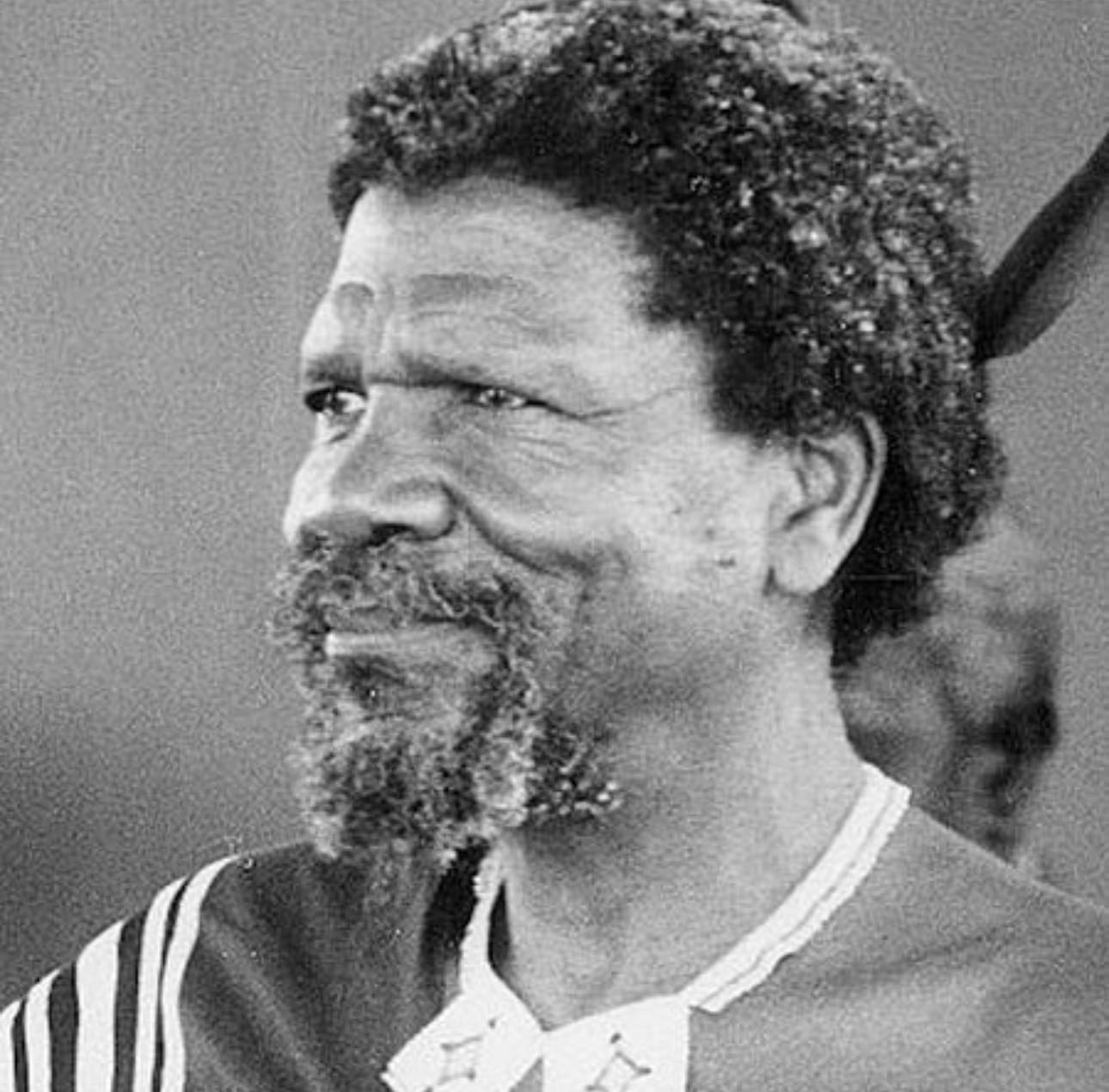
Sobhuza II (1899-1982): Former Ngwenyama of Eswatini who led independence transition

March 5, 2026
Sobhuza II (1899-1982): Former Ngwenyama of Eswatini who led independence transition
Share on FacebookShare on Twitter

King Sobhuza II, nicknamed “Ngwenyama” (Lion), is the central figure in the modern history of Eswatini (formerly Swaziland). His reign, from 1899 until his death in 1982, is one of the longest documented monarchies in world history (approximately 82 years and 254 days, including the regency). His reign was marked by the transition from British protectorate status to full independence and the transformation of the political system from a pluralistic parliamentary democracy to an absolute monarchy based on local traditions.

Sobhuza II was born on July 22, 1899, the son of King Ngwane V. His father died when he was still an infant (at four months old), leading to his being declared king under the regency of his grandmother, Queen Mother Labotsibeni Mdluli, and his uncle, Prince Malunge.

Sobhuza received a dual education; he learned Swazi traditions within the palace and was later sent to the Lovedale Institute in South Africa for Western education. This education was intended to prepare him to confront the British colonial administration using its legal and political tools. He officially assumed his duties (coronation) as king (Ngwenyama) on December 22, 1921, following the end of his grandmother’s regency, during which she had led intensive diplomatic efforts to maintain the unity of Swaziland.

Read also

Ghana repatriating another 1,000 nationals from South Africa

Africa facing $10-$20 billion economic hit from ‘super’ El Niño, AfDB climate chief warns

Ghanaian nationals ask ICC to probe xenophobic violence in South Africa

The greatest challenge Sobhuza faced at the beginning of his reign was the legal and material consequences of the 1907 Land Partition Declaration. Under this declaration, Britain allocated two-thirds of the country’s land to European settlers, corporations, and the British Crown, leaving only one-third for the Swazi people.

In 1922, Sobhuza led a delegation to London to protest this partition before King George V and the British courts. He filed a lawsuit to reclaim the land, but the British courts (the King’s Privy Council) dismissed the case, arguing that “state works” carried out by the Crown in the reserves were not subject to British judicial review.

After the legal setback, Sobhuza resorted to an economic strategy. He introduced a tax on livestock and labour to raise funds for purchasing land from European settlers and returning it to collective tribal ownership. This strategy succeeded in reclaiming a significant portion of the national lands before independence.

With the rise of national liberation movements in Africa during the 1960s, Britain began preparing to grant Swaziland its independence. A struggle emerged over the future form of the state between two opposing trends: Nationalist parties, such as the Swazi National Congress (NNLC), which demanded parliamentary democracy and limits on the king’s powers; and the monarchist trend, represented by Sobhuza, who wanted to preserve the traditional authority of the monarchy.

In response to the political parties, Sobhuza founded his movement, the Imbokodvo National Movement, in 1964. This movement combines traditional symbols with organised political action and won all the seats in the 1964 and 1967 elections, demonstrating the monarchy’s control over the rural popular base and marginalising the urban opposition.

The country gained its formal independence on September 6, 1968, under the “Westminster” constitution imposed by the British, which established the king as a constitutional monarch with a prime minister and legislative authority.

The constitution inherited from Britain did not last long. In the 1973 elections, the opposition party (NNLC) won three seats in parliament, which Sobhuza considered a threat to national unity and the beginning of partisan conflicts alien to Swazi culture.

On April 12, 1973, Sobhuza issued a royal decree abolishing the constitution, dissolving parliament, and banning all political parties and trade union activity. The king declared that he had assumed all legislative, executive, and judicial powers, deeming Western democracy “incompatible” with African values ​​and Swazi traditions.

In 1978, the party system was replaced by a traditional electoral system based on local constituencies (tinkhundla), where candidates were chosen based on the endorsement of local chiefs rather than party platforms, with ultimate power remaining with the king.

Sobza II ruled under complex regional circumstances. Apartheid-era South Africa surrounded his country on three sides, while Mozambique (then under Portuguese rule and later Marxist) occupied the other side. He maintained essential economic ties with South Africa (membership in the Southern African Customs Union, SACU), but he officially rejected apartheid and maintained Swaziland’s status as a sovereign state, resisting South African pressure to annex his country as “Bantustan.” He provided cautious and discreet support to the African National Congress (ANC) but was careful to not allow his country to become a military base for fighters to avoid a South African invasion.

Under his rule, Swaziland joined international organisations (the United Nations, the Organization of African Unity, and the Commonwealth) to boost its international legitimacy as an independent state. 6. Economy and Development During His Reign
Under Sobhuza’s rule, Swaziland experienced remarkable economic growth compared to its neighbours, driven by long-term political stability and the attractiveness of foreign investments. The sugar sector (which became the backbone of the economy), mining (iron and asbestos), and forestry were developed. In 1968, he set up the Tibiyo Taka Ngwane, a Crown-owned investment company that helps pay for development projects and buy shares in foreign companies that do business in the country. Road and railway networks were expanded to connect the country to the Mozambican port of Maputo, reducing overall dependence on South Africa.

Sobhuza II considered himself the primary guardian of Swazi culture (the Swazi Way of Life). He successfully prevented the assimilation of Swazis with larger ethnic groups in South Africa (such as the Zulu), emphasising the distinctiveness of Swazi identity linguistically and culturally.

Sobosa II died on August 21, 1982, at Mbozini Palace at the age of 83. His death led to a period of political instability and palace infighting (the Liqoqo period) over the regency, until his son, Mswati III, was crowned king in 1986.

Sobhuza II’s reign is regarded as the pinnacle of national stability and state-building in Eswatini. Despite criticism for undermining parliamentary democracy and concentrating power, he is credited with maintaining internal peace, recovering national territories, and protecting the country’s sovereignty from regional ambitions.


Tags: EswatiniNgwenyamaSobhuza II

Related Posts

Zimbabwe adds freight rail option to lithium export gateway
Featured

Zimbabwe adds freight rail option to lithium export gateway

July 21, 2026
Towards the revitalization of Nigeria’s power sector
Central Africa

AI could lift Sub-Saharan Africa economy 4% if power, internet improve, IMF says

July 21, 2026
African entrepreneurs work in challenging environments, and others may benefit from the skills they have developed
Central Africa

African entrepreneurs work in challenging environments, and others may benefit from the skills they have developed

July 20, 2026
Al-Hajj Salim Suwari (fl. c. 13th–15th century): West African Soninke Islamic scholar
Figures

Al-Hajj Salim Suwari (fl. c. 13th–15th century): West African Soninke Islamic scholar

July 17, 2026
Ghana tops African countries with highest debt with IMF
Economy

Zambia hopes to agree new IMF programme by year-end, finance minister says

July 16, 2026
Angolans in diaspora to vote in the coming general elections
Energy

Trafigura backs out of Angola transmission line project sources say

July 15, 2026

Search Qiraat Africa

No Result
View All Result

Follow on Twitter

Follow @africanqiraat

Trending

Brief History and Culture of the City of Lagos, Nigeria

Brief History and Culture of the City of Lagos, Nigeria

July 24, 2024
Samori Touré (1830-1900): Military leader and founder of Wassoulou Empire

Samori Touré (1830-1900): Military leader and founder of Wassoulou Empire

January 11, 2026
Bakiga / Abakiga of northern Rwanda and southern Uganda

Bakiga / Abakiga of northern Rwanda and southern Uganda

July 15, 2026
Zaghawa people of northeastern Chad and western Sudan

Zaghawa people of northeastern Chad and western Sudan

March 3, 2026
Sobhuza II (1899-1982): Former Ngwenyama of Eswatini who led independence transition

Sobhuza II (1899-1982): Former Ngwenyama of Eswatini who led independence transition

March 5, 2026
Rashaida of the coastal plain of the Red Sea

Rashaida of the coastal plain of the Red Sea

July 10, 2026

Facebook

Sections

  • About Us
  • Privacy Policy
  • Opinion
  • Infographics
  • News
  • Analysis
  • Figures
  • Culture & Literature
  • Follow Ups
  • Historical Readings
  • Interview
  • Studies


© Copyright Qiraat Africa. Developed by Bunnaj Media .

No Result
View All Result
  • News
  • Analysis & Report
  • Studies
  • Opinion
  • Interview
  • Culture & Literature
  • Figures
  • Historical Readings
  • Regions

© 2021 Copyright Qiraat Africa.