
Qiraat Africa
عربي  |  Fr
Advertisement
  • News
    • All
    • Climate Change
    • Economy
    • Education
    • Energy
    • Health
    • Migration
    • Mining
    • Politics
    • Security
    • Society
    • Sport
    Mali’s army acts to secure strategic trade routes after attempted terrorist blockade

    Kremlin says Russian forces will stay in Mali as insurgents press attacks

    Gabon plans new housing tax to help tackle rising debt

    Gabon to audit public debt as it signs $150 million World Bank deal

    US military says some forces have been dispatched to Nigeria

    Amnesty urges Nigeria to investigate deaths in army-run camp, military says report baseless

    Burkina Faso ups security after Mali attacks

    Burkina Faso ups security after Mali attacks

    Madagascar: Opposition candidates protest “institutional coup”

    Madagascar detains French former serviceman over alleged mutiny plot

    Nigerian troops kill 18 terrorists in northeast operations, military says

    Nigerian troops kill 18 terrorists in northeast operations, military says

    Last Kenyan officers leave Haiti as new international security initiative begins

    Last Kenyan officers leave Haiti as new international security initiative begins

    Mali leader says situation under control in first speech since attacks; France urges citizens to leave ‘as soon as possible’

    Mali leader says situation under control in first speech since attacks; France urges citizens to leave ‘as soon as possible’

    Ghana agrees to accept West Africans deported from US, president says

    Ghana rejects proposed US health aid deal, citing data concerns, source says

  • Analysis
    • All
    • Climate Change
    • Digital & Tech
    • Economy
    • Energy & Power
    • Health
    • Politics
    • Security
    • Society
    Mali

    ISIS-linked insurgents leave Mali town as army tries to reassert control

    Mali’s junta creates a new ministerial-level post to oversee the mining sector

    African Mineral Resources: The Controversial Link to US Health Deals

    Ghana curbs offshore investments to protect cedi, boost stability

    Ghana’s mining law attempts to eradicate speculation, but leaves communities in limbo: insights from a lithium case study

    East African Community’s expansion has triggered financial difficulties: why solutions come with risks

    East African Community’s expansion has triggered financial difficulties: why solutions come with risks

    Nigeria’s new election laws leaves gaps: Here are 5 reforms for free, fair, and credible elections

    Nigeria’s new election laws leaves gaps: Here are 5 reforms for free, fair, and credible elections

    Impact of Kenya’s long-overdue new infrastructure fund may be limited by design problems

    Impact of Kenya’s long-overdue new infrastructure fund may be limited by design problems

    Why Africans Are Targeted by Recruitment Networks in the Ukraine-Russia War?

    Why Africans Are Targeted by Recruitment Networks in the Ukraine-Russia War?

    From Water Security to Geopolitical Realignment: Key Takeaways and Outcomes of the 39th African Union Summit 2026

    From Water Security to Geopolitical Realignment: Key Takeaways and Outcomes of the 39th African Union Summit 2026

    Rohingya Genocide: Why The Gambia Demands Justice at the International Court

    Rohingya Genocide: Why The Gambia Demands Justice at the International Court

  • Studies
    60 new cosmic structures have been discovered by South Africa’s MeerKAT telescope, which is mapping previously unseen gaps between galaxies

    60 new cosmic structures have been discovered by South Africa’s MeerKAT telescope, which is mapping previously unseen gaps between galaxies

    Benin government says armed forces foil coup attempt

    Coup contagion? A rash of African power grabs suggests copycats are taking note of others’ success

    One in three South Africans have never heard of AI: what this means for policy

    One in three South Africans have never heard of AI: what this means for policy

    Social Media as a Catalyst for the Spread of Dangerous Wealth Ritual Myths

    Social Media as a Catalyst for the Spread of Dangerous Wealth Ritual Myths

    Overcoming Education Barriers for Young Mothers in Sub-Saharan Africa

    Overcoming Education Barriers for Young Mothers in Sub-Saharan Africa

    Youth Empowerment Through Vocational Training in Rural Sub-Saharan Africa

    Youth Empowerment Through Vocational Training in Rural Sub-Saharan Africa

    Manufacturers in Ghana and Nigeria claim that although corruption damages businesses, digital technologies provide a chance to combat it

    Manufacturers in Ghana and Nigeria claim that although corruption damages businesses, digital technologies provide a chance to combat it

    Environmental Threats and Conservation Efforts in Namibia

    Environmental Threats and Conservation Efforts in Namibia

    Your teachers’ level of knowledge affects how well you perform in class: perspectives from 14 French-speaking African nations

    Your teachers’ level of knowledge affects how well you perform in class: perspectives from 14 French-speaking African nations

  • Infographics
  • Figures
    Samora Machel (1933–1986): Mozambican politician and revolutionary

    Samora Machel (1933–1986): Mozambican politician and revolutionary

    Murtala Ramat Mohammed (1938–1976): Military officer and former President of Nigeria

    Murtala Ramat Mohammed (1938–1976): Military officer and former President of Nigeria

    Miriam Makeba (1932-2008): South African civil rights activist, singer and actress

    Miriam Makeba (1932-2008): South African civil rights activist, singer and actress

    Ahmed Sékou Touré (1922–1984): Revolutionary and First President of Guinea

    Ahmed Sékou Touré (1922–1984): Revolutionary and First President of Guinea

    Changamire Dombo I (1684–1695): Leader who expelled Portuguese invaders

    Changamire Dombo I (1684–1695): Leader who expelled Portuguese invaders

    Sobhuza II (1899-1982): Former Ngwenyama of Eswatini who led independence transition

    Sobhuza II (1899-1982): Former Ngwenyama of Eswatini who led independence transition

    Alpha Oumar Konare: historian, archaeologist, and former President of Mali

    Alpha Oumar Konare: historian, archaeologist, and former President of Mali

    Felix Konotey-Ahulu (1930-2025): Ghanaian physician and scientist

    Felix Konotey-Ahulu (1930-2025): Ghanaian physician and scientist

    Joaquim Chissano, Former President of Mozambique

    Joaquim Chissano, Former President of Mozambique

  • History
    The Land of Punt (modern Somalia, Eritrea, Ethiopia, or eastern Sudan)

    The Land of Punt (modern Somalia, Eritrea, Ethiopia, or eastern Sudan)

    Avenue of the Baobabs, Madagascar

    Avenue of the Baobabs, Madagascar

    Lopé-Okanda (Gabon)

    Lopé-Okanda (Gabon)

    The Sudd wetland

    The Sudd wetland

    Khami Ruins (Zimbabwe), the capital of the Torwa state

    Khami Ruins (Zimbabwe), the capital of the Torwa state

    Royal Palace, Porto-Novo, Republic of Benin

    Royal Palace, Porto-Novo, Republic of Benin

    W-Arly-Pendjari Complex, the West African wildlife sanctuary

    W-Arly-Pendjari Complex, the West African wildlife sanctuary

    Royal Court of Tiébélé, Burkina Faso

    Royal Court of Tiébélé, Burkina Faso

    Lake Tanganyika, the world’s longest freshwater lake

    Lake Tanganyika, the world’s longest freshwater lake

  • Others
    • Culture / Literature
    • Interview
    • Opinion
  • Countries
    • Country profiles
    • Regions
      • Central Africa
      • East Africa
      • Southern Africa
      • West Africa
No Result
View All Result
  • News
    • All
    • Climate Change
    • Economy
    • Education
    • Energy
    • Health
    • Migration
    • Mining
    • Politics
    • Security
    • Society
    • Sport
    Mali’s army acts to secure strategic trade routes after attempted terrorist blockade

    Kremlin says Russian forces will stay in Mali as insurgents press attacks

    Gabon plans new housing tax to help tackle rising debt

    Gabon to audit public debt as it signs $150 million World Bank deal

    US military says some forces have been dispatched to Nigeria

    Amnesty urges Nigeria to investigate deaths in army-run camp, military says report baseless

    Burkina Faso ups security after Mali attacks

    Burkina Faso ups security after Mali attacks

    Madagascar: Opposition candidates protest “institutional coup”

    Madagascar detains French former serviceman over alleged mutiny plot

    Nigerian troops kill 18 terrorists in northeast operations, military says

    Nigerian troops kill 18 terrorists in northeast operations, military says

    Last Kenyan officers leave Haiti as new international security initiative begins

    Last Kenyan officers leave Haiti as new international security initiative begins

    Mali leader says situation under control in first speech since attacks; France urges citizens to leave ‘as soon as possible’

    Mali leader says situation under control in first speech since attacks; France urges citizens to leave ‘as soon as possible’

    Ghana agrees to accept West Africans deported from US, president says

    Ghana rejects proposed US health aid deal, citing data concerns, source says

  • Analysis
    • All
    • Climate Change
    • Digital & Tech
    • Economy
    • Energy & Power
    • Health
    • Politics
    • Security
    • Society
    Mali

    ISIS-linked insurgents leave Mali town as army tries to reassert control

    Mali’s junta creates a new ministerial-level post to oversee the mining sector

    African Mineral Resources: The Controversial Link to US Health Deals

    Ghana curbs offshore investments to protect cedi, boost stability

    Ghana’s mining law attempts to eradicate speculation, but leaves communities in limbo: insights from a lithium case study

    East African Community’s expansion has triggered financial difficulties: why solutions come with risks

    East African Community’s expansion has triggered financial difficulties: why solutions come with risks

    Nigeria’s new election laws leaves gaps: Here are 5 reforms for free, fair, and credible elections

    Nigeria’s new election laws leaves gaps: Here are 5 reforms for free, fair, and credible elections

    Impact of Kenya’s long-overdue new infrastructure fund may be limited by design problems

    Impact of Kenya’s long-overdue new infrastructure fund may be limited by design problems

    Why Africans Are Targeted by Recruitment Networks in the Ukraine-Russia War?

    Why Africans Are Targeted by Recruitment Networks in the Ukraine-Russia War?

    From Water Security to Geopolitical Realignment: Key Takeaways and Outcomes of the 39th African Union Summit 2026

    From Water Security to Geopolitical Realignment: Key Takeaways and Outcomes of the 39th African Union Summit 2026

    Rohingya Genocide: Why The Gambia Demands Justice at the International Court

    Rohingya Genocide: Why The Gambia Demands Justice at the International Court

  • Studies
    60 new cosmic structures have been discovered by South Africa’s MeerKAT telescope, which is mapping previously unseen gaps between galaxies

    60 new cosmic structures have been discovered by South Africa’s MeerKAT telescope, which is mapping previously unseen gaps between galaxies

    Benin government says armed forces foil coup attempt

    Coup contagion? A rash of African power grabs suggests copycats are taking note of others’ success

    One in three South Africans have never heard of AI: what this means for policy

    One in three South Africans have never heard of AI: what this means for policy

    Social Media as a Catalyst for the Spread of Dangerous Wealth Ritual Myths

    Social Media as a Catalyst for the Spread of Dangerous Wealth Ritual Myths

    Overcoming Education Barriers for Young Mothers in Sub-Saharan Africa

    Overcoming Education Barriers for Young Mothers in Sub-Saharan Africa

    Youth Empowerment Through Vocational Training in Rural Sub-Saharan Africa

    Youth Empowerment Through Vocational Training in Rural Sub-Saharan Africa

    Manufacturers in Ghana and Nigeria claim that although corruption damages businesses, digital technologies provide a chance to combat it

    Manufacturers in Ghana and Nigeria claim that although corruption damages businesses, digital technologies provide a chance to combat it

    Environmental Threats and Conservation Efforts in Namibia

    Environmental Threats and Conservation Efforts in Namibia

    Your teachers’ level of knowledge affects how well you perform in class: perspectives from 14 French-speaking African nations

    Your teachers’ level of knowledge affects how well you perform in class: perspectives from 14 French-speaking African nations

  • Infographics
  • Figures
    Samora Machel (1933–1986): Mozambican politician and revolutionary

    Samora Machel (1933–1986): Mozambican politician and revolutionary

    Murtala Ramat Mohammed (1938–1976): Military officer and former President of Nigeria

    Murtala Ramat Mohammed (1938–1976): Military officer and former President of Nigeria

    Miriam Makeba (1932-2008): South African civil rights activist, singer and actress

    Miriam Makeba (1932-2008): South African civil rights activist, singer and actress

    Ahmed Sékou Touré (1922–1984): Revolutionary and First President of Guinea

    Ahmed Sékou Touré (1922–1984): Revolutionary and First President of Guinea

    Changamire Dombo I (1684–1695): Leader who expelled Portuguese invaders

    Changamire Dombo I (1684–1695): Leader who expelled Portuguese invaders

    Sobhuza II (1899-1982): Former Ngwenyama of Eswatini who led independence transition

    Sobhuza II (1899-1982): Former Ngwenyama of Eswatini who led independence transition

    Alpha Oumar Konare: historian, archaeologist, and former President of Mali

    Alpha Oumar Konare: historian, archaeologist, and former President of Mali

    Felix Konotey-Ahulu (1930-2025): Ghanaian physician and scientist

    Felix Konotey-Ahulu (1930-2025): Ghanaian physician and scientist

    Joaquim Chissano, Former President of Mozambique

    Joaquim Chissano, Former President of Mozambique

  • History
    The Land of Punt (modern Somalia, Eritrea, Ethiopia, or eastern Sudan)

    The Land of Punt (modern Somalia, Eritrea, Ethiopia, or eastern Sudan)

    Avenue of the Baobabs, Madagascar

    Avenue of the Baobabs, Madagascar

    Lopé-Okanda (Gabon)

    Lopé-Okanda (Gabon)

    The Sudd wetland

    The Sudd wetland

    Khami Ruins (Zimbabwe), the capital of the Torwa state

    Khami Ruins (Zimbabwe), the capital of the Torwa state

    Royal Palace, Porto-Novo, Republic of Benin

    Royal Palace, Porto-Novo, Republic of Benin

    W-Arly-Pendjari Complex, the West African wildlife sanctuary

    W-Arly-Pendjari Complex, the West African wildlife sanctuary

    Royal Court of Tiébélé, Burkina Faso

    Royal Court of Tiébélé, Burkina Faso

    Lake Tanganyika, the world’s longest freshwater lake

    Lake Tanganyika, the world’s longest freshwater lake

  • Others
    • Culture / Literature
    • Interview
    • Opinion
  • Countries
    • Country profiles
    • Regions
      • Central Africa
      • East Africa
      • Southern Africa
      • West Africa
No Result
View All Result
Qiraat Africa
عربي  |  Fr
No Result
View All Result
Home Figures

Aristides Pereira (1923-2011): First President of Cape Verde

July 26, 2025
Aristides Pereira (1923-2011): First President of Cape Verde
Share on FacebookShare on Twitter

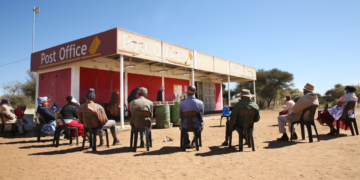
Aristides Maria Pereira was born on November 17, 1923, in Fundo de Figueiras, Cabo Verde. He received his primary education in his hometown before moving to Mindelo on the island of São Vicente, where he completed his secondary education. In 1944, Pereira began working for the Portuguese colonial administration, holding a position in the Posts and Telegraphs Department. This seemingly ordinary position had a profound impact on the course of his life, allowing him the opportunity to travel between islands, witness the difficult living conditions of the archipelago’s inhabitants, and become acutely aware of the depth of Portuguese colonial oppression.

During his work, Pereira witnessed how the colonial system isolated the islands from each other and how the central authorities exploited local resources with little return for the population. Economic conditions were dire, with the population suffering from periodic famines and droughts. This situation fueled a deep sense of injustice and drove him to seek ways to achieve change.

In the mid-1950s, Pereira began connecting with groups of anti-colonial intellectuals and activists, many of whom, like himself, worked in the public sector. These individuals exchanged ideas about the need for liberation from Portuguese rule, and these meetings were conducted in complete secrecy for fear of retribution by the Portuguese Political Police (PIDE).

Read also

Kremlin says Russian forces will stay in Mali as insurgents press attacks

Amnesty urges Nigeria to investigate deaths in army-run camp, military says report baseless

Burkina Faso ups security after Mali attacks

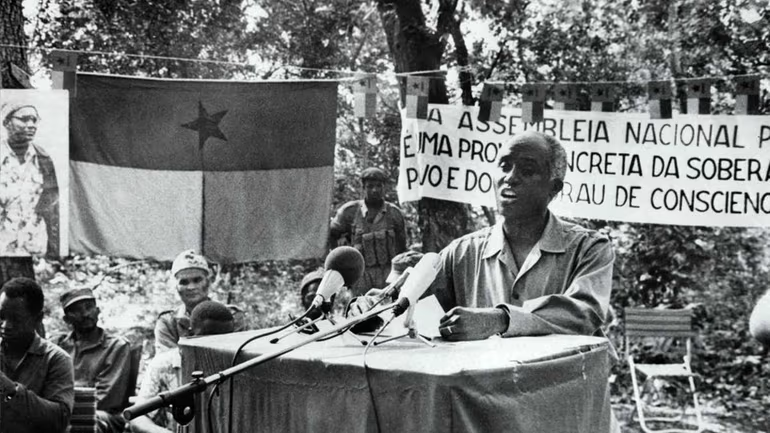
The major turning point in Pereira’s life came in 1956, when he participated in founding the African Party for the Independence of Guinea and Cabo Verde (PAIGC). The party had a unique goal: to unite Cabo Verde and Guinea-Bissau into a single state after independence. This idea came from the party’s founders, led by Amical Cabral, a charismatic figure and revolutionary thinker. Cabral believed that Guinea-Bissau and Cabo Verde shared deep historical and cultural ties, and that unification would give them greater political and economic strength to face the challenges of post-independence.

Pereira played a pivotal role in the party from the beginning. He possessed strong organizational skills and was able to connect with diverse social strata, from peasants to intellectuals. Initially, the party operated underground, with Pereira using his postal service to deliver secret messages and distribute anti-colonial leaflets.

As Portuguese repression escalated, the party decided to turn to armed action. In 1961, the party declared the start of armed struggle in Guinea-Bissau, where the geographical conditions allowed for a guerrilla war against Portuguese forces. In Cabo Verde, armed action was virtually impossible due to the small, isolated islands. Therefore, Pereira and his colleagues focused on organizing clandestine support networks, recruiting youth, and raising awareness of the national cause.

In 1965, Pereira moved to Guinea-Bissau to lead the party’s logistical and political operations. In 1973, Amical Cabral was assassinated, an event that shook the revolutionary movement. After Cabral’s death, Pereira assumed leadership of the party, placing him in a very difficult position. He had to fill the void left by Cabral, maintain party unity, and continue the struggle against Portuguese forces.

In September 1973, Guinea-Bissau unilaterally declared its independence. In 1974, the Carnation Revolution in Portugal overthrew the authoritarian regime, opening the door to peaceful negotiations with its former colonies.

In 1975, after intense negotiations, Cabo Verde gained independence from Portugal. On July 5, 1975, the Republic of Cabo Verde was proclaimed, and Aristides Pereira was elected its first president. This marked the beginning of a new era filled with challenges.

The challenges facing the new Cabo Verde were immense. The country suffered from severely weak infrastructure, a severe shortage of natural resources, and a near-total dependence on foreign aid and remittances from expatriates. The economic situation was extremely difficult, as the archipelago suffered from recurrent droughts.

Pereira’s presidency was characterized by realism and pragmatism. He realized that Cabo Verde could not rely on an agricultural economy, so he decided to focus on other sectors such as services, maritime navigation, and tourism. He also worked to attract foreign investment and improve diplomatic relations with European countries and the United States.

One of Pereira’s main goals was to maintain a close relationship with Guinea-Bissau, hoping to realize the dream of unification in the future. However, this dream did not come true. In 1980, a military coup in Guinea-Bissau led by João Bernardo Vieira strained relations between the two countries and led to the dissolution of the African Party for the Independence of Guinea and Cabo Verde (PAIGC). In response, Pereira founded a new party in Cabo Verde, the African Party for the Independence of Cabo Verde (PAICV), which became the country’s ruling party.

In domestic policy, Pereira adopted a one-party system, a decision common in many newly independent African states. He believed this system was necessary to achieve political stability and avoid ethnic or tribal conflicts, which were not prevalent in Cabo Verde. His rule was characterized by relative calm and stability, compared to many other African countries that had suffered coups and civil wars.

Pereira’s economic policies focused on central planning, but over time, he began to adopt a more open approach, encouraging the private sector and foreign investment. He believed that economic development was the foundation for true independence, and that the state should play a role in improving the quality of life for its citizens. In foreign policy, Pereira followed a nonaligned approach. He maintained good relations with socialist states such as the Soviet Union and Cuba, but at the same time did not sever ties with Western countries. His strategy was based on diversifying international partners to ensure the country received the aid and investments needed for its development. Cabo Verde played an active role in regional organizations such as the Economic Community of West African States (ECOWAS), seeking to serve as a bridge between Africa and Europe.

In the late 1980s, with increasing international pressure and domestic demands for multipartyism, the Pereira regime began to open up to democratic reforms. Cabo Verde was one of the first African countries to peacefully transition from a single-party system to a multiparty system.

In 1991, the country held its first free multiparty elections. Despite his popularity, Pereira lost the election to his rival, António Mascarenhas Monteiro, a candidate from the Movement for Democracy (MpD) party.

Pereira’s acceptance of electoral defeat and peaceful ceding power represented a rare democratic lesson on the African continent. He did not reject the results or attempt to remain in power, but rather accepted the judgment of the people, cementing his reputation as a wise and responsible leader. After stepping down from the presidency, Pereira remained a respected figure and political authority in Cabo Verde. He no longer participated in daily political life, devoting his time to writing and reflecting on his country’s history.

Aristides Pereira died on September 22, 2011, in Portugal, at the age of 87.
Tags: African Party for the Independence of Guinea and Cabo Verde (PAIGC)Aristides PereiraCape Verde

Related Posts

Nigerian troops kill 18 terrorists in northeast operations, military says
Security

Nigerian troops kill 18 terrorists in northeast operations, military says

April 29, 2026
Mali leader says situation under control in first speech since attacks; France urges citizens to leave ‘as soon as possible’
Featured

Mali leader says situation under control in first speech since attacks; France urges citizens to leave ‘as soon as possible’

April 29, 2026
Ghana agrees to accept West Africans deported from US, president says
Featured

Ghana rejects proposed US health aid deal, citing data concerns, source says

April 28, 2026
Russia calls for rapid restoration of peace in Mali after sustaining casualties
Featured

Russia calls for rapid restoration of peace in Mali after sustaining casualties

April 28, 2026
Nigeria caps jet fuel prices to avert airline disruptions
Energy

Nigeria caps jet fuel prices to avert airline disruptions

April 28, 2026
ICC convicts al-Qaida-linked leader of atrocities in Mali
Featured

ICC orders $8.5 million in compensation for victims of Timbuktu terrorist who imposed sharia law

April 28, 2026

Search Qiraat Africa

No Result
View All Result

Follow on Twitter

Follow @africanqiraat

Trending

Equatorial Guinea

Equatorial Guinea orders crackdown on sex in government offices after videos leaked

November 6, 2024
Tuareg: The Blue People of the Sahara

Tuareg: The Blue People of the Sahara

May 23, 2025
Kumbi Saleh, the capital of the ancient Ghana Empire

Kumbi Saleh, the capital of the ancient Ghana Empire

October 13, 2025
Brief History and Culture of the City of Lagos, Nigeria

Brief History and Culture of the City of Lagos, Nigeria

July 24, 2024
Ahmed Sékou Touré (1922–1984): Revolutionary and First President of Guinea

Ahmed Sékou Touré (1922–1984): Revolutionary and First President of Guinea

March 6, 2026
Tunka Manin (c. 1010–1078), the last ruler of the Ghana Empire

Tunka Manin (c. 1010–1078), the last ruler of the Ghana Empire

December 12, 2025

Facebook

Sections

  • About Us
  • Privacy Policy
  • Opinion
  • Infographics
  • News
  • Analysis
  • Figures
  • Culture & Literature
  • Follow Ups
  • Historical Readings
  • Interview
  • Studies


© Copyright Qiraat Africa. Developed by Bunnaj Media .

No Result
View All Result
  • News
  • Analysis & Report
  • Studies
  • Opinion
  • Interview
  • Culture & Literature
  • Figures
  • Historical Readings
  • Regions

© 2021 Copyright Qiraat Africa.