
Qiraat Africa
عربي  |  Fr
Advertisement
  • News
    • All
    • Climate Change
    • Economy
    • Education
    • Energy
    • Health
    • Migration
    • Mining
    • Politics
    • Security
    • Society
    • Sport
    DR Congo President Tshisekedi seeks re-election in the forthcoming polls

    DR Congo court approves referendum law, fueling third-term debate

    Equatorial Guinea and Gabon resolve 50-year border dispute

    Equatorial Guinea and Gabon resolve 50-year border dispute

    Kenya probes potential toxin after 15 elephants die in Amboseli ecosystem

    Kenya probes potential toxin after 15 elephants die in Amboseli ecosystem

    WHO declares Ebola outbreak in Congo, Uganda an emergency of international concern

    Uganda declares end to latest Ebola outbreak

    South Africa says over 900 arrested during nationwide anti-migrant protests

    Nigeria and South Africa seek to ease tensions over xenophobic attacks

    US to block citizens in Congo from immediate travel home, citing Ebola

    A day in the life of Congo’s overstretched Ebola surveillance teams

    Senegal has sovereign right to decide how to tackle debt, IMF says

    IMF completes final review of Ghana lending program, unlocks $371 million

    South Africa promises crackdown on xenophobic attacks after Ghana protests

    Ghana repatriating another 1,000 nationals from South Africa

    Burkina Faso declares UN coordinator persona non grata

    Ugandan diplomat Otunnu joins race to become next UN head

  • Analysis
    • All
    • Climate Change
    • Digital & Tech
    • Economy
    • Energy & Power
    • Health
    • Politics
    • Security
    • Society
    What Happens After Dandora? Kenya’s Green Transition Faces Its Hardest Test

    What Happens After Dandora? Kenya’s Green Transition Faces Its Hardest Test

    African entrepreneurs work in challenging environments, and others may benefit from the skills they have developed

    African entrepreneurs work in challenging environments, and others may benefit from the skills they have developed

    Ethiopia’s 2026 General Election: Progress, Challenges, and Implications

    Ethiopia’s 2026 General Election: Progress, Challenges, and Implications

    Israeli recognition of Somaliland is a ‘calculated distraction,’ Somali diplomat says

    Sixty-Six Years On, the Promise of Somali Independence Remains Unfulfilled.

    Senegal’s top opposition leader Sonko vows to help win March 24 election

    Senegal at a Political Crossroads: The Faye–Sonko Rivalry and the Future of Democratic Governance

    Ulysses in isiZulu: Why an African translation of the classic Irish novel is important in today’s world

    Ulysses in isiZulu: Why an African translation of the classic Irish novel is important in today’s world

    The promise and risks of Kenya’s ambitious new strategy to close refugee camps

    The promise and risks of Kenya’s ambitious new strategy to close refugee camps

    Al Qaeda-linked militants curb their brutality in seized Malian territory

    Al Qaeda-linked militants curb their brutality in seized Malian territory

    Five Years After the Coup in Mali: Are Stability and Growth Within Reach?

    The Political Economy of Insecurity in Mali: Armed Groups, Resources, and State Fragility

  • Studies
    Angola’s lengthy war shaped the way farmers utilised fire—why it matters

    Angola’s lengthy war shaped the way farmers utilised fire—why it matters

    Schooling is the most severely affected by conflict when children are the target – Study

    Schooling is the most severely affected by conflict when children are the target – Study

    Pensions for Botswana’s elderly are expanding, but care services are lacking—study follows 20 years

    Pensions for Botswana’s elderly are expanding, but care services are lacking—study follows 20 years

    60 new cosmic structures have been discovered by South Africa’s MeerKAT telescope, which is mapping previously unseen gaps between galaxies

    60 new cosmic structures have been discovered by South Africa’s MeerKAT telescope, which is mapping previously unseen gaps between galaxies

    Benin government says armed forces foil coup attempt

    Coup contagion? A rash of African power grabs suggests copycats are taking note of others’ success

    One in three South Africans have never heard of AI: what this means for policy

    One in three South Africans have never heard of AI: what this means for policy

    Social Media as a Catalyst for the Spread of Dangerous Wealth Ritual Myths

    Social Media as a Catalyst for the Spread of Dangerous Wealth Ritual Myths

    Overcoming Education Barriers for Young Mothers in Sub-Saharan Africa

    Overcoming Education Barriers for Young Mothers in Sub-Saharan Africa

    Youth Empowerment Through Vocational Training in Rural Sub-Saharan Africa

    Youth Empowerment Through Vocational Training in Rural Sub-Saharan Africa

  • Infographics
  • Figures
    Al-Hajj Salim Suwari (fl. c. 13th–15th century): West African Soninke Islamic scholar

    Al-Hajj Salim Suwari (fl. c. 13th–15th century): West African Soninke Islamic scholar

    Strive Masiyiwa: Zimbabwean businessman and philanthropist

    Strive Masiyiwa: Zimbabwean businessman and philanthropist

    Diébédo Francis Kéré: Burkinabé-German architect

    Diébédo Francis Kéré: Burkinabé-German architect

    Herbert Wigwe (1966-2024): Nigerian banker and businessman

    Herbert Wigwe (1966-2024): Nigerian banker and businessman

    Senegal president names new finance, energy ministers in reshuffle

    Macky Sall: Former President of Senegal

    Marcus Garvey (1887-1940): Activist, Black nationalist, and Pan-Africanist

    Marcus Garvey (1887-1940): Activist, Black nationalist, and Pan-Africanist

    John B. Russwurm (1799–1851): Jamaican-born American abolitionist, publisher, and colonial governor

    John B. Russwurm (1799–1851): Jamaican-born American abolitionist, publisher, and colonial governor

    Winnie Mandela (1936-2018): South African politician and anti-apartheid activist

    Winnie Mandela (1936-2018): South African politician and anti-apartheid activist

    Abdias do Nascimento (1914-2011): Prominent African Brazilian scholar, artist, and politician

    Abdias do Nascimento (1914-2011): Prominent African Brazilian scholar, artist, and politician

  • History
    Aldabra Atoll, Seychelles

    Aldabra Atoll, Seychelles

    Le Morne Cultural Landscape, Mauritius

    Le Morne Cultural Landscape, Mauritius

    Mount Nimba Strict Nature Reserve, Guinea and Côte d’Ivoire

    Mount Nimba Strict Nature Reserve, Guinea and Côte d’Ivoire

    Sangha Trinational, north-western Congo Basin

    Sangha Trinational, north-western Congo Basin

    Kasubi Tombs, Kampala, Uganda

    Kasubi Tombs, Kampala, Uganda

    Dja Faunal Reserve, Cameroon

    Dja Faunal Reserve, Cameroon

    Laas Geel, Somalia

    Laas Geel, Somalia

    Lakes Of Ounianga, Chad

    Lakes Of Ounianga, Chad

    Nok Caves, Togo

    Nok Caves, Togo

  • Others
    • Culture / Literature
    • Interview
    • Opinion
  • Countries
    • Country profiles
    • Regions
      • Central Africa
      • East Africa
      • Southern Africa
      • West Africa
No Result
View All Result
  • News
    • All
    • Climate Change
    • Economy
    • Education
    • Energy
    • Health
    • Migration
    • Mining
    • Politics
    • Security
    • Society
    • Sport
    DR Congo President Tshisekedi seeks re-election in the forthcoming polls

    DR Congo court approves referendum law, fueling third-term debate

    Equatorial Guinea and Gabon resolve 50-year border dispute

    Equatorial Guinea and Gabon resolve 50-year border dispute

    Kenya probes potential toxin after 15 elephants die in Amboseli ecosystem

    Kenya probes potential toxin after 15 elephants die in Amboseli ecosystem

    WHO declares Ebola outbreak in Congo, Uganda an emergency of international concern

    Uganda declares end to latest Ebola outbreak

    South Africa says over 900 arrested during nationwide anti-migrant protests

    Nigeria and South Africa seek to ease tensions over xenophobic attacks

    US to block citizens in Congo from immediate travel home, citing Ebola

    A day in the life of Congo’s overstretched Ebola surveillance teams

    Senegal has sovereign right to decide how to tackle debt, IMF says

    IMF completes final review of Ghana lending program, unlocks $371 million

    South Africa promises crackdown on xenophobic attacks after Ghana protests

    Ghana repatriating another 1,000 nationals from South Africa

    Burkina Faso declares UN coordinator persona non grata

    Ugandan diplomat Otunnu joins race to become next UN head

  • Analysis
    • All
    • Climate Change
    • Digital & Tech
    • Economy
    • Energy & Power
    • Health
    • Politics
    • Security
    • Society
    What Happens After Dandora? Kenya’s Green Transition Faces Its Hardest Test

    What Happens After Dandora? Kenya’s Green Transition Faces Its Hardest Test

    African entrepreneurs work in challenging environments, and others may benefit from the skills they have developed

    African entrepreneurs work in challenging environments, and others may benefit from the skills they have developed

    Ethiopia’s 2026 General Election: Progress, Challenges, and Implications

    Ethiopia’s 2026 General Election: Progress, Challenges, and Implications

    Israeli recognition of Somaliland is a ‘calculated distraction,’ Somali diplomat says

    Sixty-Six Years On, the Promise of Somali Independence Remains Unfulfilled.

    Senegal’s top opposition leader Sonko vows to help win March 24 election

    Senegal at a Political Crossroads: The Faye–Sonko Rivalry and the Future of Democratic Governance

    Ulysses in isiZulu: Why an African translation of the classic Irish novel is important in today’s world

    Ulysses in isiZulu: Why an African translation of the classic Irish novel is important in today’s world

    The promise and risks of Kenya’s ambitious new strategy to close refugee camps

    The promise and risks of Kenya’s ambitious new strategy to close refugee camps

    Al Qaeda-linked militants curb their brutality in seized Malian territory

    Al Qaeda-linked militants curb their brutality in seized Malian territory

    Five Years After the Coup in Mali: Are Stability and Growth Within Reach?

    The Political Economy of Insecurity in Mali: Armed Groups, Resources, and State Fragility

  • Studies
    Angola’s lengthy war shaped the way farmers utilised fire—why it matters

    Angola’s lengthy war shaped the way farmers utilised fire—why it matters

    Schooling is the most severely affected by conflict when children are the target – Study

    Schooling is the most severely affected by conflict when children are the target – Study

    Pensions for Botswana’s elderly are expanding, but care services are lacking—study follows 20 years

    Pensions for Botswana’s elderly are expanding, but care services are lacking—study follows 20 years

    60 new cosmic structures have been discovered by South Africa’s MeerKAT telescope, which is mapping previously unseen gaps between galaxies

    60 new cosmic structures have been discovered by South Africa’s MeerKAT telescope, which is mapping previously unseen gaps between galaxies

    Benin government says armed forces foil coup attempt

    Coup contagion? A rash of African power grabs suggests copycats are taking note of others’ success

    One in three South Africans have never heard of AI: what this means for policy

    One in three South Africans have never heard of AI: what this means for policy

    Social Media as a Catalyst for the Spread of Dangerous Wealth Ritual Myths

    Social Media as a Catalyst for the Spread of Dangerous Wealth Ritual Myths

    Overcoming Education Barriers for Young Mothers in Sub-Saharan Africa

    Overcoming Education Barriers for Young Mothers in Sub-Saharan Africa

    Youth Empowerment Through Vocational Training in Rural Sub-Saharan Africa

    Youth Empowerment Through Vocational Training in Rural Sub-Saharan Africa

  • Infographics
  • Figures
    Al-Hajj Salim Suwari (fl. c. 13th–15th century): West African Soninke Islamic scholar

    Al-Hajj Salim Suwari (fl. c. 13th–15th century): West African Soninke Islamic scholar

    Strive Masiyiwa: Zimbabwean businessman and philanthropist

    Strive Masiyiwa: Zimbabwean businessman and philanthropist

    Diébédo Francis Kéré: Burkinabé-German architect

    Diébédo Francis Kéré: Burkinabé-German architect

    Herbert Wigwe (1966-2024): Nigerian banker and businessman

    Herbert Wigwe (1966-2024): Nigerian banker and businessman

    Senegal president names new finance, energy ministers in reshuffle

    Macky Sall: Former President of Senegal

    Marcus Garvey (1887-1940): Activist, Black nationalist, and Pan-Africanist

    Marcus Garvey (1887-1940): Activist, Black nationalist, and Pan-Africanist

    John B. Russwurm (1799–1851): Jamaican-born American abolitionist, publisher, and colonial governor

    John B. Russwurm (1799–1851): Jamaican-born American abolitionist, publisher, and colonial governor

    Winnie Mandela (1936-2018): South African politician and anti-apartheid activist

    Winnie Mandela (1936-2018): South African politician and anti-apartheid activist

    Abdias do Nascimento (1914-2011): Prominent African Brazilian scholar, artist, and politician

    Abdias do Nascimento (1914-2011): Prominent African Brazilian scholar, artist, and politician

  • History
    Aldabra Atoll, Seychelles

    Aldabra Atoll, Seychelles

    Le Morne Cultural Landscape, Mauritius

    Le Morne Cultural Landscape, Mauritius

    Mount Nimba Strict Nature Reserve, Guinea and Côte d’Ivoire

    Mount Nimba Strict Nature Reserve, Guinea and Côte d’Ivoire

    Sangha Trinational, north-western Congo Basin

    Sangha Trinational, north-western Congo Basin

    Kasubi Tombs, Kampala, Uganda

    Kasubi Tombs, Kampala, Uganda

    Dja Faunal Reserve, Cameroon

    Dja Faunal Reserve, Cameroon

    Laas Geel, Somalia

    Laas Geel, Somalia

    Lakes Of Ounianga, Chad

    Lakes Of Ounianga, Chad

    Nok Caves, Togo

    Nok Caves, Togo

  • Others
    • Culture / Literature
    • Interview
    • Opinion
  • Countries
    • Country profiles
    • Regions
      • Central Africa
      • East Africa
      • Southern Africa
      • West Africa
No Result
View All Result
Qiraat Africa
عربي  |  Fr
No Result
View All Result
Home Analysis & Report

How Drug Trafficking in Africa’s Sahel is Undermining Security and Stability

Oyebamiji Usman Adesoji by Oyebamiji Usman Adesoji
May 16, 2024
How Drug Trafficking in Africa’s Sahel is Undermining Security and Stability
Share on FacebookShare on Twitter

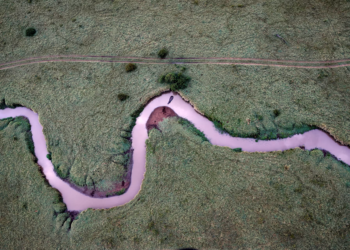
The semiarid region of western and north-central Africa extending from Senegal eastward to Sudan is known as the Sahel. Sahel, as noted by renowned geographers, forms a transitional zone between the arid Sahara (desert) to the north and the belt of humid savannas to the south. The Sahel stretches from the Atlantic Ocean eastward through northern Senegal, southern Mauritania, the great bend of the Niger River in Mali, Burkina Faso (formerly Upper Volta), southern Niger, northeastern Nigeria, south-central Chad, and into Sudan. Basically, in history, the Sahelian kingdoms were a series of empires based in the Sahel, which had many similarities. Likewise, the Sahel is home to several people and cultures. The most northerly ethnic group of the Sahel region is the Tuareg, a people of Berber origin, whose Sahelian people live in northern Mali and northern Niger. Further to the west is the Soninke, the ethnic group that founded the Ghana Empire. The modern-day Soninke live near Bakel, on the Senegal River, and in countries neighboring Senegal. Not too far from the Soninke are the Malinke, who founded the Mali Empire. They now live in the Senegalese and Malian parts of the Sahel region. The Songhai, who founded the empire of the same name, live in the southern parts of the Sahel, mainly in western and southern Niger, eastern Burkina Faso, and along the Niger River in Mali.

Since time immemorial, the Sahel region has been primarily agricultural and pastoral, which has been negatively affected by periodic droughts and resultant famines. In recent years, the Sahel has been in the global spotlight due to famines, religious terrorism, anti-state rebellions, arms, drugs, and human trafficking. These developments are the product of both local and global dynamics. With vast stretches of inhospitable desert, the central Sahel is notoriously difficult to control and has become a hunting ground for armed groups, rebels, and jihadists roaming freely between countries. Displaced people are being received in communities already struggling with limited resources. As host communities swell, food and nutrition insecurity is increasing, and access to clean living situations is becoming a significant challenge. Climate shocks, such as devastating floods, continue to devastate livelihoods and communities. But experts say there have been positive developments as well. These include an emerging consolidation of support for democratic transitions of power through popular protests and elite-led regional diplomatic and military interventions against unconstitutional changes of government or attempted unlawful retention of power.

Violence and drug trafficking in the Sahel

In the Sahel, civilians are the primary victims of the violence. The military rulers, united under the coalition named the Alliance of Sahel States (AES), promise to eradicate “terrorists.” Accusations of wrongdoing multiply against the Malian armed forces, supported by mercenaries from the former Russian group Wagner (renamed Africa Corps), allied with the regime. A report says that one of the most serious problems caused by the clashes between these armed groups has been the explosion of intercommunity violence. Longstanding quarrels among ethnic groups—traditionally grain or livestock farmers—have been exploited and exacerbated by the different parties to the conflict. Meanwhile, a report from the United Nations Office on Drugs and Crime (UNODC) has indicated that drug trafficking in the Sahel region, i.e., Burkina Faso, Chad, Mali, Mauritania, and the Niger, continues to hinder security, economic development, and the rule of law while jeopardizing public health.

Cocaine, cannabis resin, and pharmaceutical opioids are the internationally trafficked drugs most seized in the Sahel. In terms of quantity, cannabis herb is actually the most commonly seized drug in the Sahel countries, but it seems to be produced locally and trafficked mostly for local consumption. Cannabis is also the principal substance for which people seek treatment in the region. According to data provided by the UN agency, seizures of cocaine skyrocketed in the Sahel in 2022, from an average of 13 kg per year seized between 2015 and 2020 to 1,466 kg in 2022, suggesting the presence of large-scale cocaine trafficking through the region. Although annual estimates were not available for 2023, 2.3 tons of cocaine had already been seized in Mauritania by June 2023. The region’s geographical location makes it a natural stopover point for the increasing amount of cocaine produced in South America en route to Europe, which has seen a similar rise in demand for the drug. In the context of increasing cocaine production in South America and increasing demand for the drug in Europe, flows of cocaine trafficked through West Africa have intensified. The re-emergence of large cocaine seizures since 2019 suggests a surge in large shipments of the drug to the coastal countries of West Africa, with 9.5 tons being seized in Cabo Verde.

Why is drug trafficking considered an organized crime?

Drug trafficking is a global illicit trade involving the cultivation, manufacture, distribution, and sale of substances that are subject to drug prohibition laws. It is often associated with other forms of crime, such as money laundering or corruption. Trafficking routes are used by criminal networks to transport other illicit products, including firearms, uncut diamonds, and live pangolins, creating a convergence of crime, according to the International Criminal Police Organization (INTERPO). Also, drug trafficking is a major source of revenue for organized crime groups, many of whom are involved in other forms of serious crime such as firearms, modern slavery, and immigration crime. Analysts say that to make their operations successful, drug traffickers use different tactics. They invest in real businesses, get involved in real estate deals, and use financial institutions to move money secretly. Furthermore, they employ intricate networks of shell companies, offshore accounts, and intermediaries to obfuscate the origins of their money, making it challenging for authorities to trace it.

The United Nations Office for West Africa and the Sahel (UNOWAS) has indicated that the continuing scourge of drug trafficking in West Africa and the Sahel and the increasingly sophisticated operations launched by drug cartels is an issue of great concern. The use of the Sahara Desert as a transit route for narcotics, in particular cocaine and cannabis, heightens insecurity in an already volatile region, which mostly remains outside the control of national security and defense forces. UNOWAS, which has the responsibility for preventive diplomacy, good offices, and political mediation and facilitation efforts in West Africa and the Sahel, also noted that terrorist networks and rebel groups could derive significant economic benefit from criminal activities, including drug and arms trafficking. The frequent instances of the kidnapping of foreigners in the Sahel band in exchange for ransom payments are a reflection of this worrying trend. A UN report finds that drug trafficking continues to provide financial resources to armed groups in the region, including Plateforme des mouvements du 14 juin 2014 d’Alger (Plateforme) and Coordination des Mouvements de l’Azawad (CMA) in Mali, enabling them to sustain their involvement in conflict, notably through the purchase of weapons.

Consequently, competition over drug trafficking routes in the Sahel and interceptions of drug convoys by competing armed groups have led to violent clashes and reprisals, resulting in numerous deaths and injuries among those groups, perpetuating the cycle of violence. Corruption and the perception that drug traffickers, including members of armed groups and individuals under sanctions by the United Nations Security Council, carry out their criminal activities with relative impunity undermine the credibility and legitimacy of state institutions as well as electoral processes. Drug trafficking also undermines economic development in the Sahel countries and has a direct and growing impact on people’s health as local drug markets expand. Among multiple factors that impact the security and political situation in the Sahel countries, experts from the United Nations Office on Drugs and Crime (UNODC) say organized crime and drug trafficking undermine the stability and development of the region. As in other conflict-affected areas of the world, the drug economy and instability in the Sahel are linked through a vicious cycle in which weak rule of law facilitates the expansion of the drug economy, which can, in turn, provide financial resources for maintaining or expanding the conflict while undermining the state response. Drug trafficking provides financial resources to armed groups operating in the Sahel, including Plateforme and CMA in Mali, enabling them to sustain their involvement in conflict, in particular through the purchase of weapons.

As noted in the paragraph above, one of the most significant enablers of drug trafficking in the Sahel is corruption, which can include members of the political elite as well as leaders of armed groups and community leaders. Experts stated that recent seizures, arrests, and detentions in the Sahel countries shed light on how drug trafficking is facilitated by a wide range of individuals, such as politicians and members of the security forces and judiciary, including when circumventing controls and avoiding arrest and judicial proceedings. The challenges posed by drug trafficking in the Sahel countries are compounded by the fact that traffickers use the region to launder their criminal proceeds, including through trade-based money laundering. This practice makes financial transactions more difficult to track while creating additional income opportunities, giving traffickers greater economic leverage and a veneer of legitimacy. Drug traffickers tend to invest their illicit proceeds in growing sectors, including gold and real estate, relying on West Africa’s cash-based informal economy. Drug traffickers based in the Sahel countries seem to operate independent, fluid networks held together by ties of kinship, including among Arab, Tuareg, and Tebu communities. While communities in Northern Mali, the Niger, and Chad tend to consider the smuggling of commercial goods and fuel as licit activities, drug trafficking is generally considered illicit and morally reprehensible. That said, the higher commercial value of drugs means that drug trafficking has been used to challenge traditional power structures within and across these communities and led to the emergence of powerful traffickers.

Read also

DR Congo court approves referendum law, fueling third-term debate

Equatorial Guinea and Gabon resolve 50-year border dispute

Kenya probes potential toxin after 15 elephants die in Amboseli ecosystem

Making a difference

Economic disparities and a lack of employment opportunities in certain regions are among the common causes of drug trafficking. Analysts say illicit activities don’t just benefit organized crime. They also harm communities by causing more violence, addiction, and social instability. Despite the fact that the macroeconomic conditions in the Sahel have been steadier and stronger than the continental average over the past decade, The Sahel is endowed with great potential for renewable energy and sits atop some of the largest aquifers on the continent. It is potentially one of the richest regions in the world, with abundant human, cultural, and natural resources. In the meantime, drug trafficking in the Sahel continues to hinder security, economic development, and the rule of law while jeopardizing public health, according to UNODC.

The menace of drug abuse and trafficking presents a grave danger to the world. There is a nexus between drug trafficking on the one hand and organized crimes such as terrorism, kidnapping, and money laundering on the other. Substance abuse can impair decision-making abilities and lead individuals down a path of illegal activity. It is essential that those struggling with addiction receive proper support and treatment to prevent further harm. Some observers see the path to combating drug trafficking in the world as laced with challenges. This is because drug syndicates are rich, and their operations are well funded and sophisticated. These syndicates can be brutal and go to any length, including bribing, killing, and blackmail, to conduct their illicit transactions. Experts recommended that states in the Sahel region, along with the international community, must take urgent, coordinated, and comprehensive action to dismantle drug trafficking networks and give the people in these countries the future they deserve.

ــــــــــــــــــــــــــــــ

This article expresses the views and opinions of the author and does not necessarily reflect the views of Qiraat Africa and its editors.
Source: Qiraat Africa
Tags: African SahelDrug traffickingSahelSenegalSudan
Oyebamiji Usman Adesoji

Oyebamiji Usman Adesoji

Writer and researcher on business, entrepreneurship and geopolitical affairs.

Related Posts

South Africa says over 900 arrested during nationwide anti-migrant protests
Featured

Nigeria and South Africa seek to ease tensions over xenophobic attacks

July 28, 2026
US to block citizens in Congo from immediate travel home, citing Ebola
Central Africa

A day in the life of Congo’s overstretched Ebola surveillance teams

July 28, 2026
Senegal has sovereign right to decide how to tackle debt, IMF says
Economy

IMF completes final review of Ghana lending program, unlocks $371 million

July 28, 2026
South Africa promises crackdown on xenophobic attacks after Ghana protests
Featured

Ghana repatriating another 1,000 nationals from South Africa

July 27, 2026
Burkina Faso declares UN coordinator persona non grata
East Africa

Ugandan diplomat Otunnu joins race to become next UN head

July 27, 2026
Pollution linked to French-British oil firm’s Congo operations poses health risks, report says
Central Africa

Pollution linked to French-British oil firm’s Congo operations poses health risks, report says

July 27, 2026

Search Qiraat Africa

No Result
View All Result

Follow on Twitter

Follow @africanqiraat

Trending

Brief History and Culture of the City of Lagos, Nigeria

Brief History and Culture of the City of Lagos, Nigeria

July 24, 2024
Zaghawa people of northeastern Chad and western Sudan

Zaghawa people of northeastern Chad and western Sudan

March 3, 2026
Samori Touré (1830-1900): Military leader and founder of Wassoulou Empire

Samori Touré (1830-1900): Military leader and founder of Wassoulou Empire

January 11, 2026
Al-Hajj Salim Suwari (fl. c. 13th–15th century): West African Soninke Islamic scholar

Al-Hajj Salim Suwari (fl. c. 13th–15th century): West African Soninke Islamic scholar

July 17, 2026
Top 10 African Nations in Governance For 2026

Top 10 African Nations in Governance For 2026

March 11, 2026
Tuareg: The Blue People of the Sahara

Tuareg: The Blue People of the Sahara

May 23, 2025

Facebook

Sections

  • About Us
  • Privacy Policy
  • Opinion
  • Infographics
  • News
  • Analysis
  • Figures
  • Culture & Literature
  • Follow Ups
  • Historical Readings
  • Interview
  • Studies


© Copyright Qiraat Africa. Developed by Bunnaj Media .

No Result
View All Result
  • News
  • Analysis & Report
  • Studies
  • Opinion
  • Interview
  • Culture & Literature
  • Figures
  • Historical Readings
  • Regions

© 2021 Copyright Qiraat Africa.