


Qiraat Africa
عربي  |  Fr
Advertisement
  • News
    • All
    • Climate Change
    • Economy
    • Education
    • Energy
    • Health
    • Migration
    • Mining
    • Politics
    • Security
    • Society
    • Sport
    Uganda’s president appoints son as military chief

    Son of Uganda’s president says he will stand for top job in 2031

    Nigeria declares state of emergency in Rivers State over pipeline vandalism

    Nigeria’s president orders rescue after mass kidnapping exposes security failings

    African Union to launch African credit rating agency in October, adviser says

    African Union to launch African credit rating agency in October, adviser says

    DR Congo’s President Tshisekedi calls for sanctions against Rwanda

    DRC opposition urges Tshisekedi to abandon constitutional changes

    Rwanda says “deeply concerned” by “dramatic military build-up” on its border with DR Congo

    Rwanda’s Kagame Calls FDLR Disarmament Efforts ‘Superficial’

    South Sudan

    Two U.N. peacekeepers from Ethiopia killed in South Sudan ambush

    Congo, M23 sign framework for peace in Qatar, more steps needed

    Ceasefire monitors deploy in eastern Congo under Qatari peace deal

    Kenya probes potential toxin after 15 elephants die in Amboseli ecosystem

    Kenya arrests four in probe into 18 elephant deaths in Amboseli

    Zambia says it arrested opposition figures on night of elections

    Zambia closes courts on last day to file election challenge

  • Analysis
    • All
    • Climate Change
    • Digital & Tech
    • Economy
    • Energy & Power
    • Health
    • Politics
    • Security
    • Society
    Zambia signs $1.1 Billion deal to build major oil refinery in Copperbelt

    Is Zambia’s Economy Rebounding Under President Hakainde Hichilema?

    Nigeria considers crude supply reforms to aid Dangote, other refiners

    Refinery rivalry: billion‑dollar oil projects expose East Africa’s long‑running regional tensions

    Zambia’s chaotic but decisive election: government demonstrates strength, democracy shows weakness

    Zambia’s chaotic but decisive election: government demonstrates strength, democracy shows weakness

    African Finance Corp says Gabon political situation a ‘good coup’

    Why African countries must rethink how they grow their economies

    DR Congo says it will receive third-country deportees under new deal with US

    Beyond the Outbreak: How Ebola Reshaped East & Central Africa’s Economies

    What Happens After Dandora? Kenya’s Green Transition Faces Its Hardest Test

    What Happens After Dandora? Kenya’s Green Transition Faces Its Hardest Test

    African entrepreneurs work in challenging environments, and others may benefit from the skills they have developed

    African entrepreneurs work in challenging environments, and others may benefit from the skills they have developed

    Ethiopia’s 2026 General Election: Progress, Challenges, and Implications

    Ethiopia’s 2026 General Election: Progress, Challenges, and Implications

    Israeli recognition of Somaliland is a ‘calculated distraction,’ Somali diplomat says

    Sixty-Six Years On, the Promise of Somali Independence Remains Unfulfilled.

  • Studies
    China could drive Africa’s renewable energy revolution, report says

    A study shows wind and solar projects in Kenya and South Africa don’t always benefit the communities that host them

    Angola’s lengthy war shaped the way farmers utilised fire—why it matters

    Angola’s lengthy war shaped the way farmers utilised fire—why it matters

    Schooling is the most severely affected by conflict when children are the target – Study

    Schooling is the most severely affected by conflict when children are the target – Study

    Pensions for Botswana’s elderly are expanding, but care services are lacking—study follows 20 years

    Pensions for Botswana’s elderly are expanding, but care services are lacking—study follows 20 years

    60 new cosmic structures have been discovered by South Africa’s MeerKAT telescope, which is mapping previously unseen gaps between galaxies

    60 new cosmic structures have been discovered by South Africa’s MeerKAT telescope, which is mapping previously unseen gaps between galaxies

    Benin government says armed forces foil coup attempt

    Coup contagion? A rash of African power grabs suggests copycats are taking note of others’ success

    One in three South Africans have never heard of AI: what this means for policy

    One in three South Africans have never heard of AI: what this means for policy

    Social Media as a Catalyst for the Spread of Dangerous Wealth Ritual Myths

    Social Media as a Catalyst for the Spread of Dangerous Wealth Ritual Myths

    Overcoming Education Barriers for Young Mothers in Sub-Saharan Africa

    Overcoming Education Barriers for Young Mothers in Sub-Saharan Africa

  • Infographics
  • Figures
    Zumbi dos Palmares (1655-1695): Afro-Brazilian leader of the great Palmares Quilombo

    Zumbi dos Palmares (1655-1695): Afro-Brazilian leader of the great Palmares Quilombo

    Léon M’ba (1902-1967): First president of independent Gabon

    Léon M’ba (1902-1967): First president of independent Gabon

    Namibia to vote in toughest election yet for ruling party

    Netumbo Nandi-Ndaitwah: President of Namibia

    Ahmadu Bello (1910-1966): Nigerian statesman

    Ahmadu Bello (1910-1966): Nigerian statesman

    Cameroon President Paul Biya marks 41 years in power

    Paul Biya: President of Cameroon

    Al-Hajj Salim Suwari (fl. c. 13th–15th century): West African Soninke Islamic scholar

    Al-Hajj Salim Suwari (fl. c. 13th–15th century): West African Soninke Islamic scholar

    Strive Masiyiwa: Zimbabwean businessman and philanthropist

    Strive Masiyiwa: Zimbabwean businessman and philanthropist

    Diébédo Francis Kéré: Burkinabé-German architect

    Diébédo Francis Kéré: Burkinabé-German architect

    Herbert Wigwe (1966-2024): Nigerian banker and businessman

    Herbert Wigwe (1966-2024): Nigerian banker and businessman

  • History
    Lower Valley of the Omo, Ethiopia

    Lower Valley of the Omo, Ethiopia

    Sudano-Sahelian style mosques, northern Côte d’Ivoire

    Sudano-Sahelian style mosques, northern Côte d’Ivoire

    Taï National Park, Côte d’Ivoire

    Taï National Park, Côte d’Ivoire

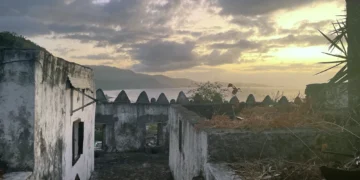
    Medinas, the Historic Sultanates of the Comoros

    Medinas, the Historic Sultanates of the Comoros

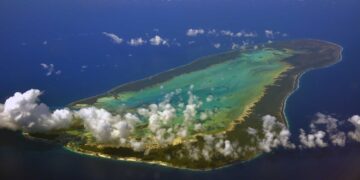
    Aldabra Atoll, Seychelles

    Aldabra Atoll, Seychelles

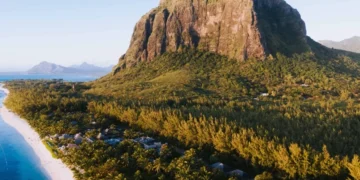
    Le Morne Cultural Landscape, Mauritius

    Le Morne Cultural Landscape, Mauritius

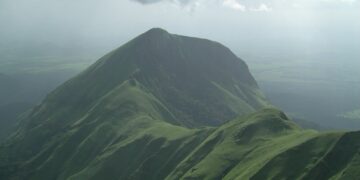
    Mount Nimba Strict Nature Reserve, Guinea and Côte d’Ivoire

    Mount Nimba Strict Nature Reserve, Guinea and Côte d’Ivoire

    Sangha Trinational, north-western Congo Basin

    Sangha Trinational, north-western Congo Basin

    Kasubi Tombs, Kampala, Uganda

    Kasubi Tombs, Kampala, Uganda

  • Others
    • Culture / Literature
    • Interview
    • Opinion
  • Countries
    • Country profiles
    • Regions
      • Central Africa
      • East Africa
      • Southern Africa
      • West Africa
No Result
View All Result
  • News
    • All
    • Climate Change
    • Economy
    • Education
    • Energy
    • Health
    • Migration
    • Mining
    • Politics
    • Security
    • Society
    • Sport
    Uganda’s president appoints son as military chief

    Son of Uganda’s president says he will stand for top job in 2031

    Nigeria declares state of emergency in Rivers State over pipeline vandalism

    Nigeria’s president orders rescue after mass kidnapping exposes security failings

    African Union to launch African credit rating agency in October, adviser says

    African Union to launch African credit rating agency in October, adviser says

    DR Congo’s President Tshisekedi calls for sanctions against Rwanda

    DRC opposition urges Tshisekedi to abandon constitutional changes

    Rwanda says “deeply concerned” by “dramatic military build-up” on its border with DR Congo

    Rwanda’s Kagame Calls FDLR Disarmament Efforts ‘Superficial’

    South Sudan

    Two U.N. peacekeepers from Ethiopia killed in South Sudan ambush

    Congo, M23 sign framework for peace in Qatar, more steps needed

    Ceasefire monitors deploy in eastern Congo under Qatari peace deal

    Kenya probes potential toxin after 15 elephants die in Amboseli ecosystem

    Kenya arrests four in probe into 18 elephant deaths in Amboseli

    Zambia says it arrested opposition figures on night of elections

    Zambia closes courts on last day to file election challenge

  • Analysis
    • All
    • Climate Change
    • Digital & Tech
    • Economy
    • Energy & Power
    • Health
    • Politics
    • Security
    • Society
    Zambia signs $1.1 Billion deal to build major oil refinery in Copperbelt

    Is Zambia’s Economy Rebounding Under President Hakainde Hichilema?

    Nigeria considers crude supply reforms to aid Dangote, other refiners

    Refinery rivalry: billion‑dollar oil projects expose East Africa’s long‑running regional tensions

    Zambia’s chaotic but decisive election: government demonstrates strength, democracy shows weakness

    Zambia’s chaotic but decisive election: government demonstrates strength, democracy shows weakness

    African Finance Corp says Gabon political situation a ‘good coup’

    Why African countries must rethink how they grow their economies

    DR Congo says it will receive third-country deportees under new deal with US

    Beyond the Outbreak: How Ebola Reshaped East & Central Africa’s Economies

    What Happens After Dandora? Kenya’s Green Transition Faces Its Hardest Test

    What Happens After Dandora? Kenya’s Green Transition Faces Its Hardest Test

    African entrepreneurs work in challenging environments, and others may benefit from the skills they have developed

    African entrepreneurs work in challenging environments, and others may benefit from the skills they have developed

    Ethiopia’s 2026 General Election: Progress, Challenges, and Implications

    Ethiopia’s 2026 General Election: Progress, Challenges, and Implications

    Israeli recognition of Somaliland is a ‘calculated distraction,’ Somali diplomat says

    Sixty-Six Years On, the Promise of Somali Independence Remains Unfulfilled.

  • Studies
    China could drive Africa’s renewable energy revolution, report says

    A study shows wind and solar projects in Kenya and South Africa don’t always benefit the communities that host them

    Angola’s lengthy war shaped the way farmers utilised fire—why it matters

    Angola’s lengthy war shaped the way farmers utilised fire—why it matters

    Schooling is the most severely affected by conflict when children are the target – Study

    Schooling is the most severely affected by conflict when children are the target – Study

    Pensions for Botswana’s elderly are expanding, but care services are lacking—study follows 20 years

    Pensions for Botswana’s elderly are expanding, but care services are lacking—study follows 20 years

    60 new cosmic structures have been discovered by South Africa’s MeerKAT telescope, which is mapping previously unseen gaps between galaxies

    60 new cosmic structures have been discovered by South Africa’s MeerKAT telescope, which is mapping previously unseen gaps between galaxies

    Benin government says armed forces foil coup attempt

    Coup contagion? A rash of African power grabs suggests copycats are taking note of others’ success

    One in three South Africans have never heard of AI: what this means for policy

    One in three South Africans have never heard of AI: what this means for policy

    Social Media as a Catalyst for the Spread of Dangerous Wealth Ritual Myths

    Social Media as a Catalyst for the Spread of Dangerous Wealth Ritual Myths

    Overcoming Education Barriers for Young Mothers in Sub-Saharan Africa

    Overcoming Education Barriers for Young Mothers in Sub-Saharan Africa

  • Infographics
  • Figures
    Zumbi dos Palmares (1655-1695): Afro-Brazilian leader of the great Palmares Quilombo

    Zumbi dos Palmares (1655-1695): Afro-Brazilian leader of the great Palmares Quilombo

    Léon M’ba (1902-1967): First president of independent Gabon

    Léon M’ba (1902-1967): First president of independent Gabon

    Namibia to vote in toughest election yet for ruling party

    Netumbo Nandi-Ndaitwah: President of Namibia

    Ahmadu Bello (1910-1966): Nigerian statesman

    Ahmadu Bello (1910-1966): Nigerian statesman

    Cameroon President Paul Biya marks 41 years in power

    Paul Biya: President of Cameroon

    Al-Hajj Salim Suwari (fl. c. 13th–15th century): West African Soninke Islamic scholar

    Al-Hajj Salim Suwari (fl. c. 13th–15th century): West African Soninke Islamic scholar

    Strive Masiyiwa: Zimbabwean businessman and philanthropist

    Strive Masiyiwa: Zimbabwean businessman and philanthropist

    Diébédo Francis Kéré: Burkinabé-German architect

    Diébédo Francis Kéré: Burkinabé-German architect

    Herbert Wigwe (1966-2024): Nigerian banker and businessman

    Herbert Wigwe (1966-2024): Nigerian banker and businessman

  • History
    Lower Valley of the Omo, Ethiopia

    Lower Valley of the Omo, Ethiopia

    Sudano-Sahelian style mosques, northern Côte d’Ivoire

    Sudano-Sahelian style mosques, northern Côte d’Ivoire

    Taï National Park, Côte d’Ivoire

    Taï National Park, Côte d’Ivoire

    Medinas, the Historic Sultanates of the Comoros

    Medinas, the Historic Sultanates of the Comoros

    Aldabra Atoll, Seychelles

    Aldabra Atoll, Seychelles

    Le Morne Cultural Landscape, Mauritius

    Le Morne Cultural Landscape, Mauritius

    Mount Nimba Strict Nature Reserve, Guinea and Côte d’Ivoire

    Mount Nimba Strict Nature Reserve, Guinea and Côte d’Ivoire

    Sangha Trinational, north-western Congo Basin

    Sangha Trinational, north-western Congo Basin

    Kasubi Tombs, Kampala, Uganda

    Kasubi Tombs, Kampala, Uganda

  • Others
    • Culture / Literature
    • Interview
    • Opinion
  • Countries
    • Country profiles
    • Regions
      • Central Africa
      • East Africa
      • Southern Africa
      • West Africa
No Result
View All Result
Qiraat Africa
عربي  |  Fr
No Result
View All Result
Home Regions Central Africa

The Sudd wetland

February 13, 2026
The Sudd wetland

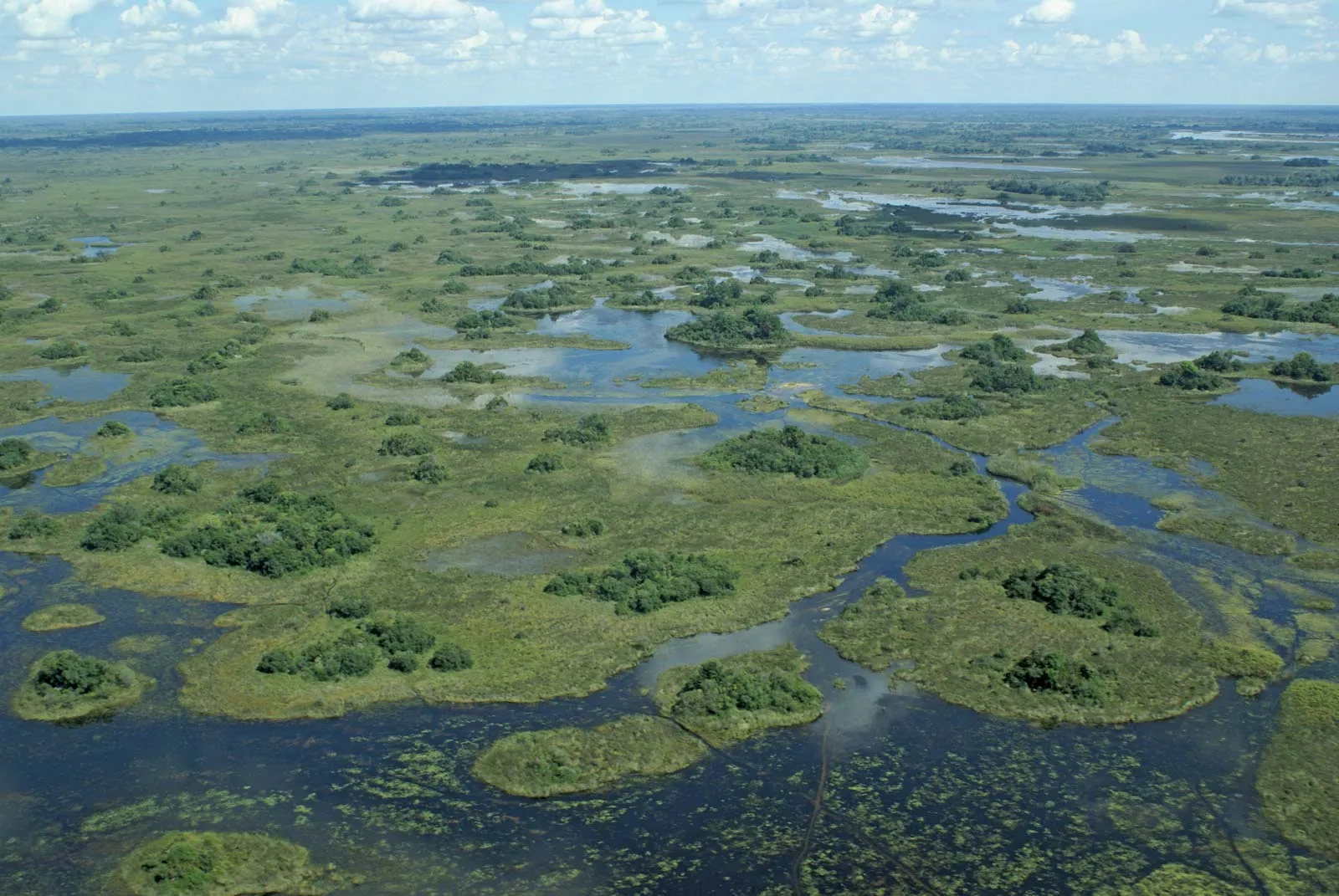
The Sudd Wetland.

Share on FacebookShare on Twitter

The Sudd region in South Sudan is one of the world’s largest freshwater ecosystems and a unique geographical and hydrological phenomenon in the Nile River basin. The name “Sudd” derives from the Arabic word “السد”, meaning “barrier” or “obstacle”, referring to the dense vegetation and floating islands that have historically made navigation extremely difficult for explorers and sailors. This vast area, located within the White Nile basin, plays a pivotal role in the climatic and environmental balance of East and Central Africa.

The Sudd region is situated in central South Sudan, where the White Nile (specifically the Bahr el-Jebel) flows from the equatorial highlands in the south into a large basin depression. The permanent area of ​​the swamps is approximately 30,000 square kilometres, but during severe flood seasons, it can expand to cover up to 130,000 square kilometres, equivalent to the size of some small countries.

The Sudd’s hydrology is complex; the White Nile loses approximately 50% of its water as it flows through this region due to evaporation and transpiration. While this process may appear to be a water loss for downstream countries, it is the primary driver of the local ecosystem, which relies on periodic flooding. The region is comprised of a complex network of channels, lakes, lagoons, and marshes whose features are constantly changing based on the volume of inflows from Lake Victoria and local rainfall.

The Sudd is designated a Ramsar site, a protected area under the international convention for wetlands of international importance. The vegetation in the area is dominated by papyrus (Cyperus papyrus), which can reach several metres in height, along with water hyacinth and hay grasses that form floating vegetation islands known as sudd or al-Sudd.

The Sudd is a haven for thousands of species. The area is a strategic stopover for migratory birds travelling between Africa and Europe. It is home to the largest population of the endangered shoebill, as well as pelicans and storks. It experiences one of the largest wildlife migrations in the world, with thousands of white-eared kob and ting migrating across the marshes in search of seasonal grazing. The area also supports populations of elephants, African buffalo, and hippos.

The shallow waters and marshes provide an ideal environment for the breeding of dozens of fish species, making them a vital source of protein for the local population and the terrestrial food chain. The Sudd area and its surroundings are home to major Nilotic ethnic groups, most notably the Dinka, Nuer, and Shilluk. These groups rely on an economic system that combines livestock herding, fishing, and seasonal agriculture.

Read also

DRC opposition urges Tshisekedi to abandon constitutional changes

Two U.N. peacekeepers from Ethiopia killed in South Sudan ambush

Central African Republic artisanal gold mine collapses, killing more than 100

For the people of the Sudd area, livestock is an economic asset and represents social status. It is an essential element of their cultural rituals. The population follows a transhumance pattern, moving with their herds to the “toic” areas—the wetlands that emerge after the floodwaters recede—in search of rich grass and water during the dry season. This delicate balance between people and nature has persisted for centuries, with villages built on small natural rises to ensure protection from the annual floods.

The Jonglei Canal Project is a controversial water project. Its idea dates back to the early 20th century and aims to excavate a massive 360-kilometre canal to divert a portion of the White Nile’s waters around the Sudd wetlands instead of flowing into them.

The primary objective was to reduce water loss due to evaporation from the Sudd wetlands and provide approximately 4.7 billion cubic metres of additional water annually, to be shared between Sudan and Egypt to support irrigation and agricultural projects in downstream countries.

Actual work on the canal began in the 1970s, but the project was halted in 1983 due to the outbreak of the Second Sudanese Civil War. The canal was a strategic target for armed groups who viewed it as a threat to the local way of life.

Scientists warn that completing the canal could lead to the drying up of vast areas of the Sudd wetlands, causing the collapse of fisheries, the disappearance of seasonal grazing lands, and the destruction of wildlife habitats, as well as potentially altering the local climate due to reduced evaporation rates.

The project remains stalled, and there are frequent discussions about the possibility of completing it in light of increasing water needs, in contrast to strong opposition from environmentalists and local communities who fear for their existence.

The Sudd currently faces challenges stemming from global climate change. In recent years, the region has experienced unprecedented catastrophic flooding due to rising water levels in Lake Victoria and increased rainfall in the equatorial Nile Basin.

These floods have inundated historically arid areas, displacing hundreds of thousands of people, causing the loss of vast numbers of livestock, and destroying crops. Conversely, the risk of prolonged drought remains a significant threat due to climate variability, making the sustainable management of this region extremely complex and requiring regional and international cooperation.

In addition to climate, oil pollution is emerging as a new threat. Some oil fields are located near the swamps, raising concerns about the potential leakage of chemicals into the fragile aquatic system that sustains both humans and animals.

The Sudd’s importance extends beyond South Sudan, impacting the water security of all Nile Basin countries. As a natural “sponge” that helps regulate river flow, the dam plays a crucial role in preventing catastrophic flooding in downstream areas and helps filter sediment and pollutants from the water.

Globally, the Sudd is considered one of Africa’s most important carbon sinks; the dense vegetation absorbs vast quantities of carbon dioxide, contributing to global efforts to mitigate global warming. Any disruption to this ecosystem could lead to the release of significant amounts of greenhouse gases stored in decomposing organic matter underwater.
Tags: Bahr el-JebelSouth SudanSuddWhite Nile

Related Posts

Rebels in Congo see Ebola as chance to show governing credentials
Central Africa

Congo’s M23 rebels introduce new movement restrictions over Ebola concerns

August 20, 2026
South Sudan steps up Ebola preparedness along porous DRC border
Central Africa

South Sudan steps up Ebola preparedness along porous DRC border

August 18, 2026
DR Congo and Uganda report 263 confirmed Ebola cases with 43 deaths, Africa CDC says
Central Africa

Unpaid health workers strike as Congo’s Ebola contact tracing falls behind

August 17, 2026
Chadian leader General Mahamat Deby pardons 110 people held over October protests
Central Africa

Chad’s president pardons main rival and opposition leader in jail

August 16, 2026
Léon M’ba (1902-1967): First president of independent Gabon
Central Africa

Léon M’ba (1902-1967): First president of independent Gabon

August 16, 2026
Lower Valley of the Omo, Ethiopia
East Africa

Lower Valley of the Omo, Ethiopia

August 15, 2026

Search Qiraat Africa

No Result
View All Result

Follow on Twitter

Follow @africanqiraat

Trending

Africa’s 10 Strongest Currencies in June 2026

Africa’s 10 Strongest Currencies in June 2026

July 8, 2026
The Zande in Central Africa

The Zande in Central Africa

August 19, 2024
Kumbi Saleh, the capital of the ancient Ghana Empire

Kumbi Saleh, the capital of the ancient Ghana Empire

October 13, 2025
Nigerian President says ECOWAS Standby Force should be operationalise now

ECOWAS reaffirms plans to launch single currency in 2027

July 22, 2026
Walter Sisulu (1912 – 2003): South African activist

Walter Sisulu (1912 – 2003): South African activist

December 5, 2025
300,000 Tanzanians were killed by Germany during the Maji-Maji uprising: why it was genocide and should be called that

300,000 Tanzanians were killed by Germany during the Maji-Maji uprising: why it was genocide and should be called that

November 20, 2023

Facebook

Sections

  • About Us
  • Privacy Policy
  • Opinion
  • Infographics
  • News
  • Analysis
  • Figures
  • Culture & Literature
  • Follow Ups
  • Historical Readings
  • Interview
  • Studies


© Copyright Qiraat Africa. Developed by Bunnaj Media .

No Result
View All Result
  • News
  • Analysis & Report
  • Studies
  • Opinion
  • Interview
  • Culture & Literature
  • Figures
  • Historical Readings
  • Regions

© 2021 Copyright Qiraat Africa.