
























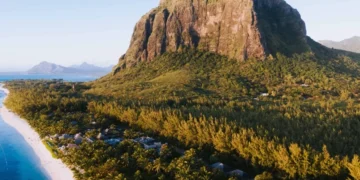
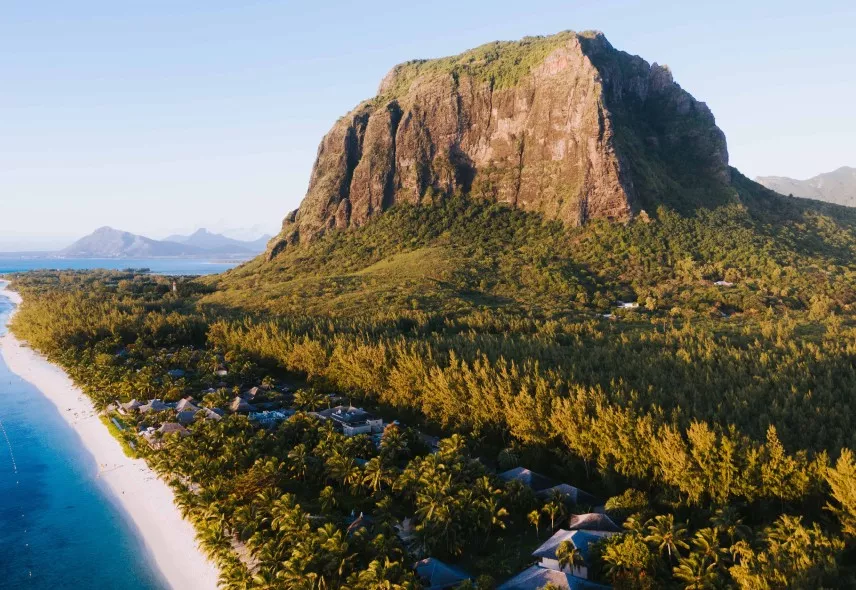
The Le Morne Cultural Landscape is located on the Le Morne Brabant peninsula at the southwestern tip of Mauritius in the Indian Ocean. This site comprises an isolated basalt mountain range rising approximately 556 metres above sea level, surrounded by beaches, lagoons, and coral reefs. In 2008, the United Nations Educational, Scientific and Cultural Organization (UNESCO) inscribed it on the World Heritage List under criteria III and VI, recognizing its historical and physical role as a natural refuge for escaped slaves (Maroons) during the 18th and early 19th centuries.
Le Morne’s exceptional significance lies in the intersection of its rugged topography with the socio-political history of the Indian Ocean basin durinrecognisingial era, transforming the mountain from a mere geomorphological feature into a global symbol of resistance against slavery.
The mountain is characterised by its steep terrain and sharp, rocky cliffs that rise directly into the ocean, making access to its summit and high plateaus extremely difficult without a thorough knowledge of the narrow paths. The mountain features natural openings, caves, and sudden passages, such as the V-Gap, which serves as the main access point to the higher elevations.
Ecologically, the peninsula harbours diverse ecosystems, ranging from dry forests to coastal vegetation, and is home to some rare and endangered plant species endemic to Mauritius, such as the “Trochetia boutoniana” flower, known locally as “boucle d’oreille”. This plant and topographical diversity has provided natural protection and essential resources for the survival of the communities that have settled in the area.
During its French and later British colonial rule, Mauritius relied entirely on a system of forced labour and slavery to manage plantations, particularly sugarcane plantations. Thousands of enslaved people were brought from various regions, including Madagascar, East Africa (such as Mozambique), and South Asia.
The pressure of harsh working conditions and abuse led to the phenomenon of “escape” or “marronnage”, which historical literature divides into two levels. The Petit Marronnage, a temporary escape for a short period to avoid work or protest mistreatment, and the Grand Marronnage, a permanent escape aimed at establishing independent, clandestine communities in remote and inaccessible areas.
Due to its geographical isolation and treacherous terrain, Mount Le Morne became the main stronghold of Grand Marronnage in Mauritius. Small communities formed in the mountain’s caves and high points, managing to settle for extended periods, hidden from the eyes of the colonial authorities and slave-trapping squads.
The historical assessment of the Le Morne site relies on the integration of archaeological field discoveries and oral traditions. Excavations in the mountain’s caves and rock shelters have yielded traces of ash and charcoal, suggesting the use of fire ovens for cooking and heating, along with animal bone remains dating back to the 18th century, and simple stone and pottery tools. At the base of the mountain lie the remains of ancient settlements, such as the village of Trou Chenille, and an old cemetery where genetic and archaeological tests indicate that those buried there were of African and Malagasy descent.
A popular local legend is associated with the site, relating to the abolition of slavery in Mauritius in 1835. According to tradition, a police force went to the mountain to inform escaped “slaves” of their emancipation and the official abolition of slavery. However, distrustful of the authorities and believing the force had come to re-arrest them, the mountain’s inhabitants chose to throw themselves off the cliff.
Although researchers and historians note the lack of written records confirming the precise details of this specific event, the story has become an integral part of the local collective memory and a fundamental element of the mountain’s moral and symbolic value as a symbol of sacrifice and the complete rejection of slavery.
The cultural landscape of Le Morne has profoundly influenced the cultural and social formation of Mauritius, particularly among the Creole community. Oral tradition attributes the origins of traditional Sega Tipik music to gatherings held by escaped “slaves” in the forests and areas surrounding the mountain. This music uses traditional percussion instruments such as the ravann, maravann, and triyang.
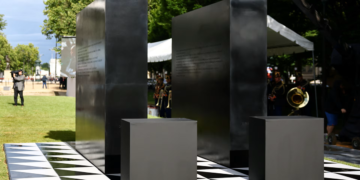
The Colonial Third Monument, located at the base of the mountain, is the International Slave Route Monument, a sculptural complex that commemorates the origins of enslaved people and the historical stations of the colonial trade.
The site is the main centre for national and commemorative celebrations held on February 1st each year, the official date of the abolition of slavery in the country.
“The cultural landscape of Le Morne stands as a tangible testament to the struggle for freedom; the harsh natural terrain became a shield protecting human dignity against colonial systems of forced labor.”
UNESCO inscribed the site on the World Heritage List based on two specific criteria:
- Criterion (III): The cultural landscape provides exceptional evidence of the phenomenon of “marronnage” and the communities of escaped slaves who settled there, whose lives are preserved through material remains and oral traditions.
- Criterion (VI): The mountain is directly and tangibly linked to ideas and concepts of universal significance, such as freedom, resistance, and human suffering, as embodied in its symbolic importance in the global memory of the fight against slavery.
The cultural landscape of Le Morne faces a delicate balance between preserving its historical and environmental value and the pressures of development and tourism.
The Le Morne peninsula is one of Mauritius’s premier tourist destinations, boasting beach resorts and water sports facilities such as kitesurfing. The expansion of luxury tourism and residential projects on the land surrounding the mountain has led to legal and social disputes concerning land ownership and access to public and historical spaces.
The Le Morne Heritage Trust Fund, in coordination with the Ministries of Culture and the Environment, is responsible for implementing management plans. These plans include regulating hiking trails and limiting daily visitor numbers to prevent soil erosion and damage to natural paths; restoring open sites such as the Trois Chenille Open Air Museum and rebuilding the traditional informational hut; and installing signage and providing environmental and historical education for visitors to ensure that biological and rock formations are not damaged.