
























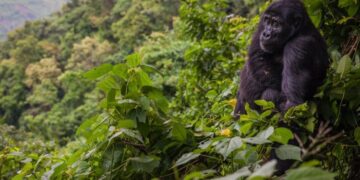


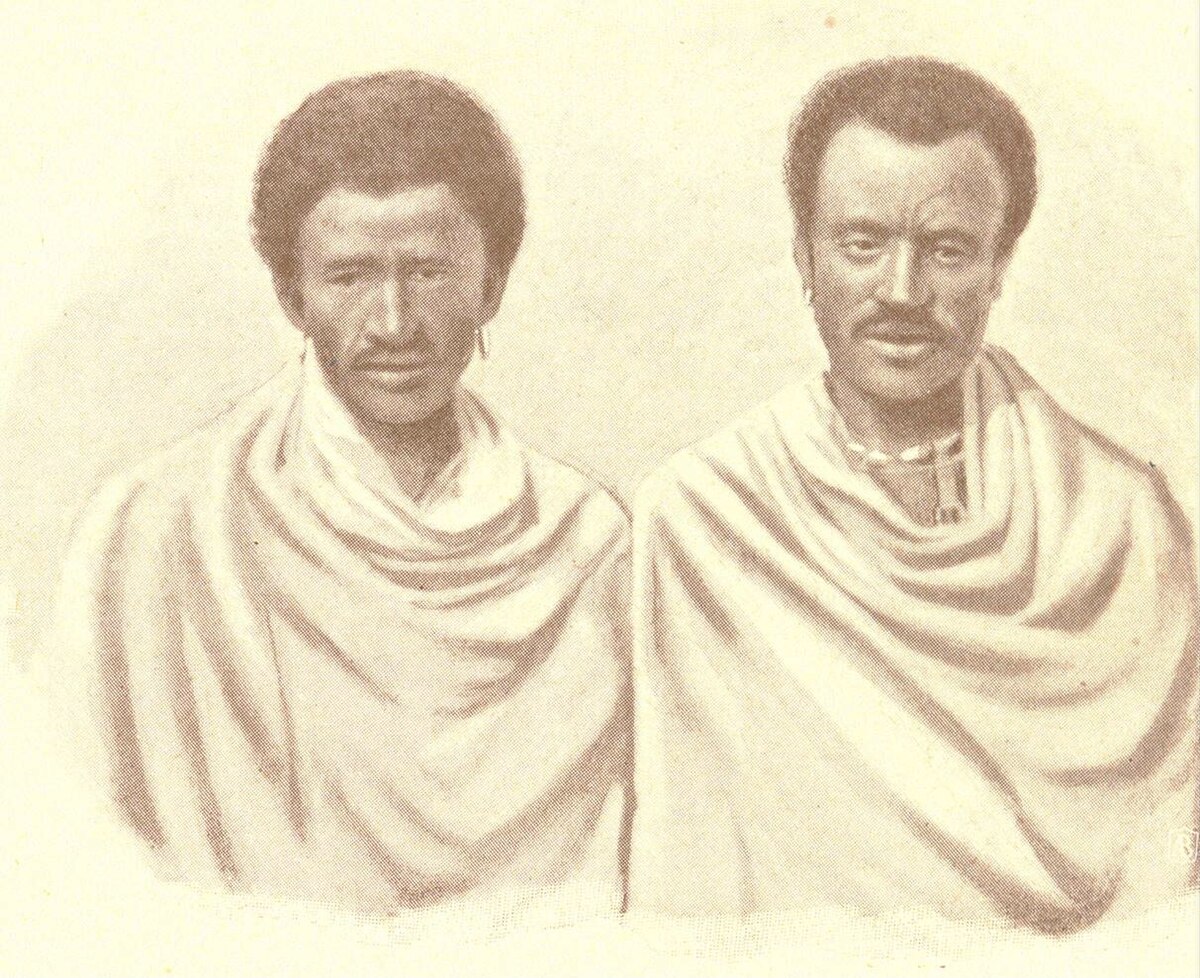
The Kafficho people (also known as the Kaffa people) are one of the oldest ethnic groups in southwestern Ethiopia, and their identity is closely linked to the historical Kingdom of Kaffa, which existed as an independent political entity for centuries before its incorporation into the modern Ethiopian state in the late 19th century. The Kafficho inhabit a region characterized by dense rainforest and unique biodiversity, an area widely considered by historians and botanists to be the original home of the coffee plant (Arabica).
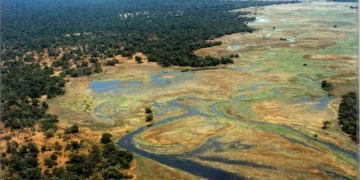
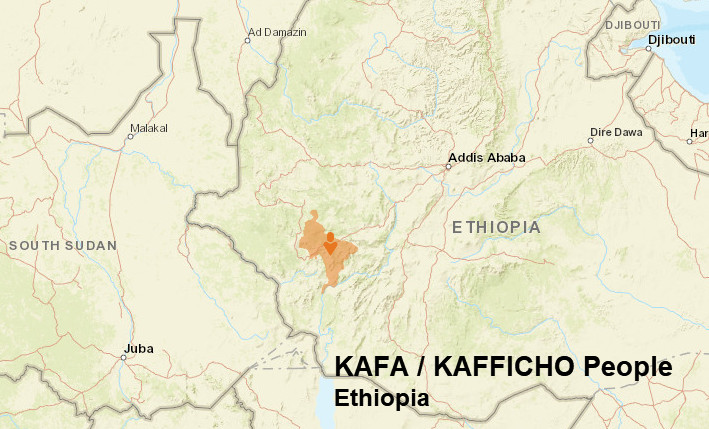
The Kaffa province, the Kafficho people’s main homeland, lies within the Southern Nations, Nationalities, and Peoples’ Region of Ethiopia. Its terrain is characterized by mountainous highlands and deep valleys, covered by dense tropical rainforest. This geographical location provided natural protection for the community for centuries, allowing for the development of a unique culture and a centralized political structure known as the Kingdom of Kaffa.
The soil in this region is among the most fertile volcanic types, and it receives very high rainfall throughout the year, making it an ideal environment for sustainable agriculture, particularly for the growth of perennial trees and endemic plants.
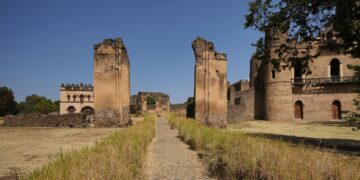
The Kingdom of Kaffa (c. 1390–1897) was one of the most organized kingdoms in East African history. Its political system was a centralized monarchy led by a king known as the Tato. The king was not merely a political ruler but was considered a sacred figure, surrounded by a complex set of rituals.
Society was divided into distinct professional and social classes, including nobles, farmers, and artisans. The kingdom employed a sophisticated administrative system that included advisors representing the major clans and a judicial system for resolving disputes. It was also renowned for its extensive defensive ditches and tree walls, reflecting a high level of traditional military engineering.
The kingdom’s independence ended in 1897 when, after fierce resistance, it was annexed by the armies of Emperor Menelik II to the Ethiopian Empire, leading to radical transformations in the economic and social structure of the people.
The name “Kaffa” is linguistically and historically linked to the word “coffee” in many languages. For the Kafficho people, coffee was not merely a commodity; it was a plant that grew wild in their forests and formed an integral part of their cultural fabric.
The Kafficho people practice a “forestry-based” system, where large trees are preserved to provide shade for the wild coffee bushes. This system has maintained biodiversity and protected the region from desertification. In addition to coffee, the inhabitants cultivate the “enset” plant, or false plantain, which is a staple food (carbohydrate). Flour is extracted from its stems and fermented to produce “cacho” bread.
The Kafficho people were also renowned for producing high-quality wild honey and for their skills in blacksmithing and pottery. The kingdom was once a trading hub connecting the Nile Basin with the Red Sea coast, with coffee, leather, and musk being among its most important exports.
The Kaficho people speak Kafinono, a language belonging to the Omotic branch of the Afro-Asiatic language family. This language is characterized by complex phonetic features that reflect the relative isolation of the region in the past.
The social structure consists of over 200 clans, each with its own history and emblems. Despite external influences, the clan system continues to play a significant role in regulating marriage, resolving local disputes, and managing communal lands.
Historically, the Kaficho practiced a local religion centered on faith in a supreme deity called Yero. Rituals took place in sacred spaces within forests or beside large trees, and a spiritual medium or priest played a central role.
Over time, Orthodox Christianity entered the region, followed by Catholicism and Protestantism, and there is also a Muslim minority. However, many traditional spiritual practices remain intertwined with the Abrahamic religions, particularly regarding the veneration of nature and the celebration of harvest seasons.
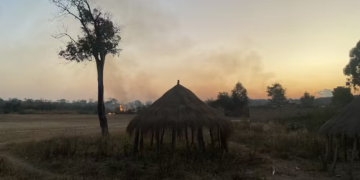
Traditional Kaficho dwellings are characterized by their circular shape and high, conical thatched roofs, which are well-suited to withstand heavy rainfall. The walls are constructed of wood and mud, decorated with simple geometric patterns. In the arts, the Kaficho excel in the production of colorful handwoven textiles and the use of plant fibers to create baskets and household items that are remarkably durable and feature artistic designs reflecting their natural surroundings.
The Kaffa people currently face several challenges imposed by the political and economic transformations in Ethiopia:
- Deforestation: Agricultural expansion and population growth threaten the rainforests that serve as a reservoir for wild coffee, impacting the ecological balance and traditional way of life.
- Political Representation: Kaffa elites seek to strengthen their region’s autonomy within the Ethiopian federal system to ensure better management of local resources.
- Economic Globalization: Although their region produces some of the finest coffee, farmers still face difficulties in obtaining fair prices in the global market due to complex supply chains.
Local and international efforts are underway to preserve the Kaffa region as a UNESCO Biosphere Reserve. The Kaffa people see this recognition as a way to protect their identity, which is deeply intertwined with the forest. Annual festivals celebrate coffee and the region’s royal history, aiming to introduce new generations to the Kaffuno language and the social values that characterized their ancestors.