























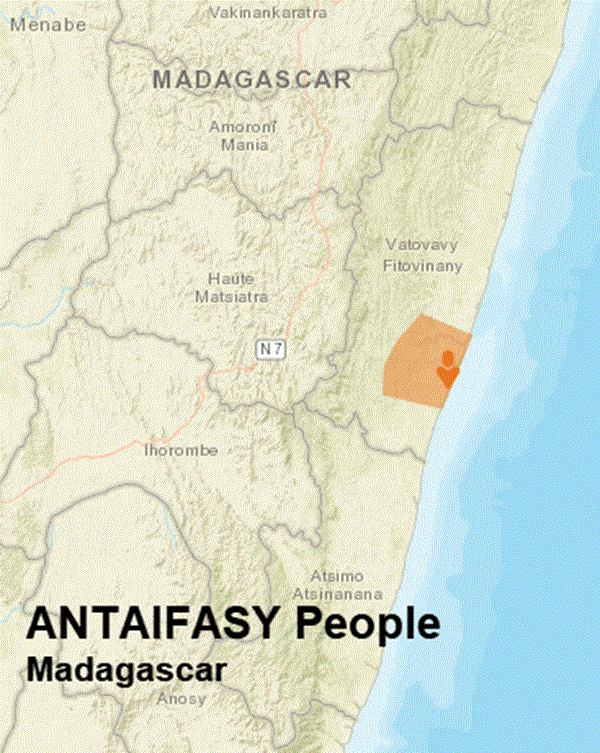
Madagascar, an island in the Indian Ocean off the east coast of Africa, is home to a complex human tapestry comprised of eighteen officially recognised ethnic groups. Among these, the Antaifasy people stand out as a significant cultural and social component of the island’s southeastern region. The word “Antaifasy” literally means “those who live in the sand” or “sand dwellers”, a name reflecting the geography of the coastal area they historically inhabited around the city of Farafangana.
Like most ethnic groups in Madagascar, the Antaifasy trace their origins to a mix of migrations from Southeast Asia (Indonesia) and the African coast, with later Arab trade influences. However, their oral traditions suggest that they began to crystallise as a distinct political and social entity in the 17th century.
Some historical studies link the emergence of the Antaifasy to the Maroserana dynasty, which ruled large parts of southern Madagascar. It is believed that a group of warriors and nobles migrated from the Sakalava region in the west and settled in the southeast, where they integrated with the local population and formed the Antaifasy identity. During the 18th century, this group established itself in the area around the Manampatrana River, founding urban and trading centres that made them a significant regional power.
Historically, the Antaifasy society has been characterised by a strict hierarchical structure, common in many Malagasy cultures, but with its own distinct form. Society is traditionally divided into three main classes or major clans.
- The Noble Class: Descendants of founders and military leaders, they enjoy high social standing and have the right to make major political decisions and manage spiritual affairs.
- The Middle Class (Commoners): Comprising farmers, artisans, and fishermen, they form the backbone of the local economy.
- The Slave Class (Historically): Like most royal societies on the island, there was a class of servants and slaves who were later integrated into society after the abolition of slavery during the French colonial era.
What distinguishes the social organisation of the Antaifasy is the clan system based on absolute loyalty to the local chieftain and the distribution of land based on clan affiliation. Customary agreements or pacts play a crucial role in regulating relations between different clans to ensure social peace and prevent conflicts over natural resources.
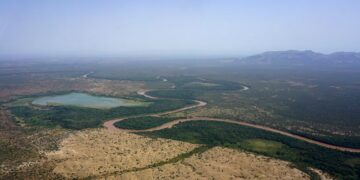
Due to their coastal location and the availability of fertile land around rivers, the Antaifasy have adopted a dual economic pattern combining agriculture and fishing.
Rice is the strategic and essential crop for the Antaifasy. They have developed techniques for cultivating rice in low-lying and floodplain areas, and owning rice fields is a measure of wealth and social status within the clan. As people of the sands and coast, fishing is a vital activity. They fish in the Indian Ocean and in the freshwater lakes near Varavanganja, using traditional boats and inherited techniques.
In more recent times, during and after the colonial period, the Antaifasy have cultivated coffee, vanilla, and cloves, export crops that have contributed to the introduction of a cash economy to their region. Although not as important as rice, raising Zebu cattle plays an important role in social and funeral rituals and is used as a tool for ploughing fields and a measure of financial power.
The Antaifasy adhere to a strict system of taboos, or “fady”. These taboos may relate to certain types of food, specific days on which work is prohibited, or certain behaviours toward nature. These rules aim to maintain social order and balance with spiritual and natural forces.
The history of the Antaifasy is marked by long conflicts with their neighbours, particularly the Zafisoro group. These conflicts have primarily centred on control of fertile farmland and political influence in the Farafangana region. This historical rivalry has persisted for centuries and has often led to the intervention of central powers in Madagascar or the colonial administration to resolve the disputes.
In the 19th century, the Antaifasy faced the expansion of the Merina kingdom from the high plateaus, led by King Radama I and later Queen Ranavalona I. The Antaifasy fiercely resisted attempts to assimilate them into the central kingdom, taking advantage of their rugged terrain and dense forests. However, the superior military power of the Merina, later bolstered by European technology, led to the partial subjugation of the region, resulting in changes to the traditional Antifasi administrative and tax systems.
With the arrival of French colonialism in Madagascar in 1896, the Antaifasy entered a new phase of resistance. The French administration imposed a system of forced labour and high taxes, which fuelled resentment among the local population. The Antaifasy participated in national resistance movements, particularly the major uprising of 1947 against French rule, which saw fierce fighting in the southeastern region.
After Madagascar gained independence in 1960, the Antaifasy sought to preserve their identity within the modern nation-state. Despite integration into the political and educational systems, loyalty to clans and traditional leaders remained strong in rural areas, where customary law is still applied to resolve local disputes, sometimes outside the formal court system.
Today, the Antaifasy people face significant challenges that hinder their economic and social development. The Farafangana region is subject to frequent and devastating tropical cyclones, which destroy rice crops and erode soil, exacerbating the food security crisis.
The Antaifasy-inhabited areas suffer from poor infrastructure, a lack of paved roads, and limited access to major markets, keeping many farmers trapped in subsistence poverty. The historical legacy of conflicts with the Zafisoro continues to resurface, requiring ongoing efforts from the state and civil society organisations to achieve lasting reconciliation. Also, a silent struggle exists between younger generations seeking modern education and migrating to cities and older generations who fear the loss of their traditions, language, and funeral rites.