

















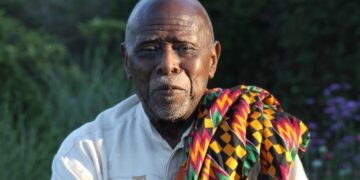




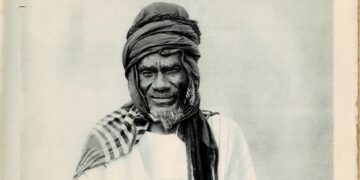

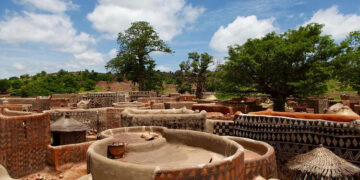
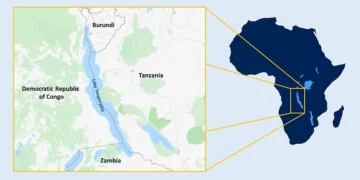
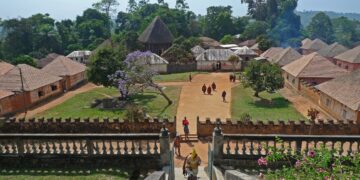
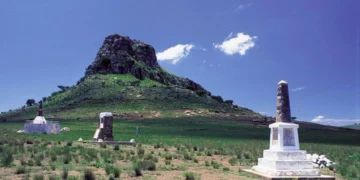
The Jola people, also known as the Diola in Francophone literature, are a prominent ethnic group in West Africa. They are primarily concentrated in the Casamance region of southern Senegal, southern Gambia, and northern Guinea-Bissau.
Linguistic and anthropological studies indicate that the Jola belong to the Bak language group, a branch of the Atlantic and Niger language family. Unlike many of West Africa’s major ethnic groups, which migrated from the interior of the continent or the Nile Basin, the Jola are believed to be indigenous to the Atlantic coastal region between the Gambia and Casamance rivers.
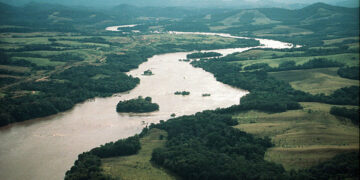
The Jola, historically, are believed to not have participated in building large, expansive empires like those of Mali or Songhai. Instead, they settled in independent villages protected by mangrove forests and swamps, which provided them with natural immunity against the external raids and enslavement attempts that plagued the region during the Middle Ages and the transatlantic slave trade.
They are divided into several subgroups based on dialect and geographic region, including the Fone, Kassa, Blof, and Iribe, each with slight cultural characteristics while sharing a common core identity.
One of the distinctive features of the Jola people is their social system, which sociologists describe as an “acephalous society”. While neighbouring peoples such as the Mandinka and Wolof were subject to hierarchical monarchies and rigid class divisions, the Jola adopted a village-based democratic system founded on equality.
Each village was a self-governing political unit, with no central authority uniting all Jola villages under a single king. Village affairs were managed by a council comprised of elders and heads of families, where decisions were made unanimously. Also, age played a crucial role in structuring social responsibilities. Individuals progressed through specific stages, from childhood to the age of “sage”, after completing traditional rites of passage. Women in the Jola community enjoy a strong economic and social standing. They are essential partners in agricultural work and have rights in crop management.
Rice is the backbone of Jola life, not only as a food crop but also as a central element in their beliefs and rituals. The Jola have developed sophisticated agricultural techniques that have enabled them to utilise lowland and saline marshes, distinguishing them from their neighbours who preferred upland agriculture or trade.
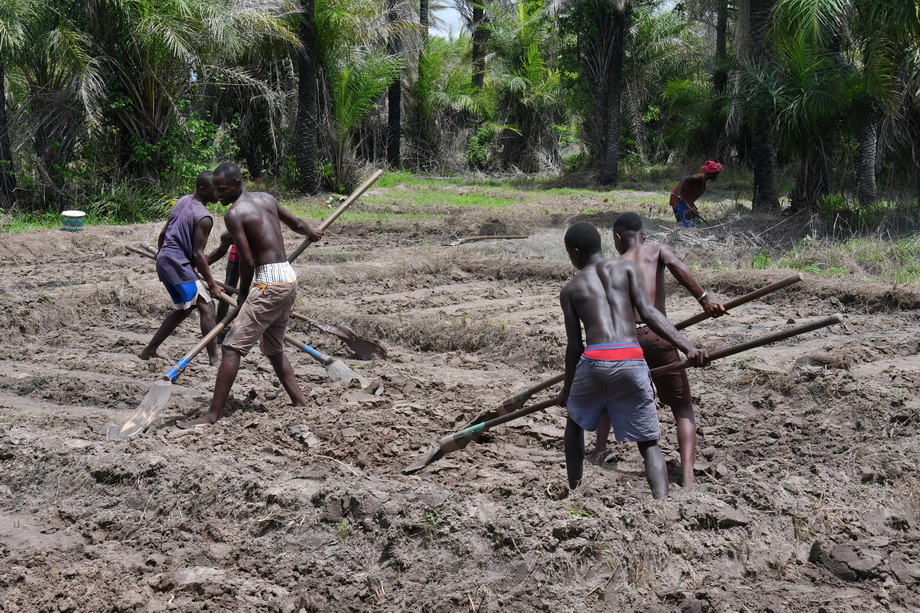
Jola farmers have developed a complex system of earth dams and canals to control fresh rainwater and prevent the intrusion of saltwater from the ocean into their fields. This traditional “water engineering” has allowed them to cultivate specific rice varieties in challenging environments. They use a unique hand tool called the kayendo, a long shovel with a wooden blade plated with metal, specifically designed for turning over the heavy clay soil in the swamps.
In addition to rice, the Jola subsistence economy depends on the exploitation of palm trees, which are widespread in Casamance. They produce oil for local consumption and extract palm wine, which plays an important role in social and spiritual ceremonies. They raise breeds of young cattle that are resistant to tropical diseases. These cattle are not usually slaughtered for daily consumption but are considered a store of wealth and are used as offerings in funerals and rites of passage.
The Jola were known for their staunch resistance to European colonialism, whether Portuguese in Guinea-Bissau, French in Senegal, or British in The Gambia. Due to their decentralised social structure, the colonisers found it very difficult to subdue them, as they had to negotiate or fight with each village individually.
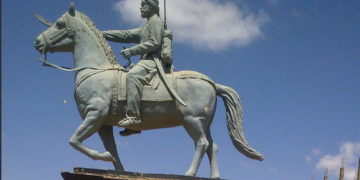
Aline Sitoe Diatta is a national symbol for the Jola people and Senegal in general. In the 1940s, she led a civil disobedience movement against the French colonial administration, calling on people to refuse to pay taxes, to reject peanut cultivation (which the French had imposed as a cash crop), and to return to traditional rice farming. The French considered her a major threat and exiled her to Mali, where she died. Even today, she remains a symbol of resistance and dignity.
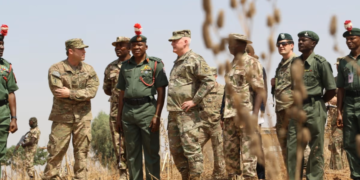
In modern times, the Jola are associated with the Casamance Conflict in southern Senegal, one of the longest-running armed conflicts in Africa. The conflict began in the early 1980s when the Movement of Democratic Forces of Casamance (MFDC) demanded independence from Senegal. Although not purely ethnic, the Jola formed the backbone of the movement, citing economic and cultural marginalisation by the central government in Dakar and differing land laws that threatened their traditional ownership of farmland.
The arts are an expression of strength and connection to the land. Wrestling is the most popular sport, with matches held after the harvest season. It is a way to demonstrate physical strength and courage, accompanied by magical rituals and loud drumming.
The Jola are known for their “Kumpo” and “Samay” masks, which depict spiritual figures appearing at major celebrations. The Kompo mask is made of palm fibre, and the dancer under it performs rapid, circular movements that conceal the body, giving it an aura of mystery and sanctity.
The Jola people today face a number of challenges that threaten their traditional way of life. Rising sea levels are increasing soil salinity in low-lying rice paddies, damaging crops and threatening food security that has been maintained for centuries. Also, many young people are migrating to Dakar, Banjul, or Europe in search of work, leading to a generation gap and a decline in the practice of traditional rituals and the maintenance of labour-intensive agricultural dams.
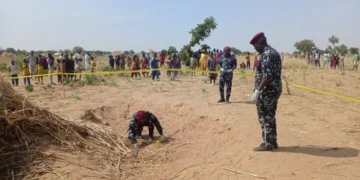
Besides, years of conflict in Casamance have left thousands of landmines in forests and fields, hindering farmers’ movement and leading to the abandonment of many historic villages. With the spread of Wolof as a lingua franca in Senegal and Creole in Guinea-Bissau, Jola dialects are at risk of disappearing among the younger generations growing up in cities.