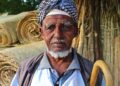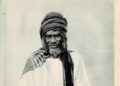














The Balanta are one of the largest ethnic groups in Guinea-Bissau, with a significant demographic presence in the Casamance region of Senegal and parts of The Gambia. They are a model of societies that have maintained their organisational and social autonomy for centuries, historically known for their resistance to centralised political structures, whether those of neighbouring African kingdoms or European colonial powers.
Oral traditions and anthropological studies indicate that the Balanta originated in areas of present-day eastern Guinea-Bissau and parts of Mali. Their westward migration began between the 10th and 14th centuries CE, and they settled in coastal areas and riverine marshes.
The name “Balanta” in their language is often interpreted as meaning “those who resist” or “those who refuse”. This name reflects their long history of resisting attempts at enslavement by the Mandinka Kaabu (also written Gabu, Ngabou) Empire and later by Portuguese expansion. Their migration was characterised by the search for fertile land to cultivate rice, an activity that became their most prominent economic identity.
The Balanta people are primarily distributed across three countries. In Guinea-Bissau, they constitute approximately 30% of the total population, making them one of the largest ethnic groups in the country. They are concentrated in the northern and central regions (Oio, Bafatá).
In Senegal, they are heavily present in the southern Casamance region, where they have intermingled with the Diola (Jola) and Mandinka groups, while in the Gambia, they represent a settled minority, having historically migrated for economic reasons or to escape conflicts in neighbouring regions.
Sociologists classify the Balanta as an acephalous society, meaning it lacks a single king or central ruler. Instead, social organisation is based on a system of age groups and collective leadership.
Men and women in the Balanta community are divided into specific age groups, each with its own social and ritual responsibilities. Young men are responsible for the arduous work in the rice fields and the protection of the community. Elders represent the council of elders who make decisions regarding conflicts, land distribution, and religious rites.
The circumcision and transition from childhood to manhood, known as “Fanado”, is a cornerstone of the Balanta cultural identity. This ritual is conducted in secret and lasts for several weeks in the forest, where young men learn the community’s laws, endurance, and loyalty to the group.
According to Marina Padrão Temudo:
“Balanta farmers of Guinea Bissau are often regarded by neighboring communities as ‘backward’ and as a people who have refused modern life-worlds. Despite the fact that these farmers played a very important role in the making of Guinea Bissau, they were progressively removed from power after independence. However, they also developed original forms of contesting-marginality.
Balanta suffered an abrupt transformation with the advent of the slave trade but were capable of finding a life-world in the mangroves farming mangrove-swamp rice. . . With respect to the Balanta, the fact that some of the most important ceremonies in their social life (male initiations and marriages) are accompanied by millet or sorghum divination rituals reinforces the idea . . . that they previously were upland farmers whose main crops were millet, sorghum and yams, rather than rice (the crop central in their cultural identity today).”
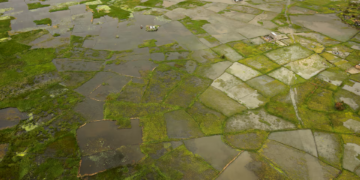
The Balanta people of West Africa are known as the “architects of rice cultivation”. They have developed unique techniques to adapt to the lowland and salt marshes bordering the Atlantic Ocean.
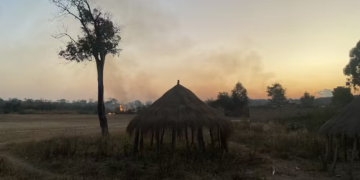
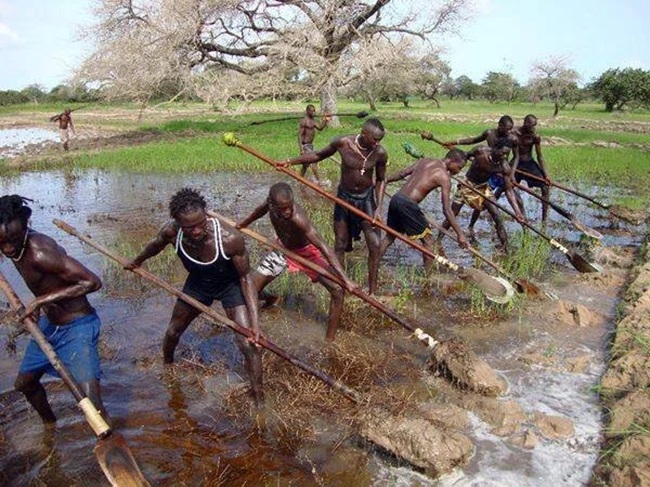
Unlike neighbouring peoples who might rely on upland agriculture, the Balanta specialise in “mangrove rice”. They construct complex networks of earthen dams and canals to prevent saltwater from entering the fields while simultaneously capturing fresh rainwater to irrigate the soil and grow rice.
Rice cultivation relies on close family cooperation. Men undertake the arduous tasks of tilling the heavy soil and building dams using traditional tools (such as the ardo shovel), while women handle sowing, harvesting, and processing the crop. This economic system has allowed them to achieve self-sufficiency and even a trade surplus for centuries.
The religious landscape of the Balanta is diverse. Many believe in a supreme creator (N’hala). In recent decades, a significant number of Balanta have converted to Christianity (especially Catholicism) and Islam. However, these religions are often integrated with traditional practices, particularly in funerals and harvest rituals.
The Balanta people have played a crucial role in the modern history of Guinea-Bissau, especially during the War of Independence (1963–1974) against Portugal. Due to their decentralised social structure and spirit of resistance, they were among the first to join the African Party for the Independence of Guinea and Cape Verde (PAIGC) led by Amílcar Cabral.
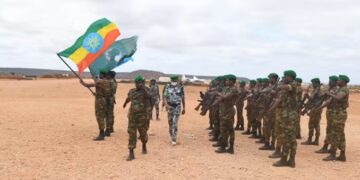
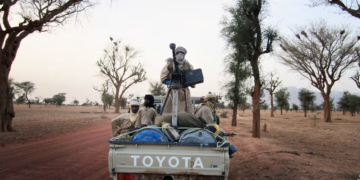
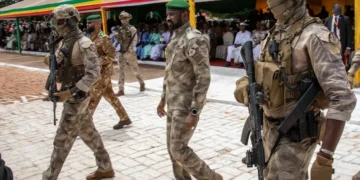
The Balanta warriors formed the vast majority of the fighting forces in the forests, thanks to their deep knowledge of the terrain and their high endurance. Their historical military role led to their dominance of the military ranks in Guinea-Bissau’s army after independence, which was sometimes reflected in the political power balances and military coups that the country experienced in recent decades.
The Balanta’s warrior and agricultural identity is reflected in their arts. They are known for their use of the bolon, a stringed instrument similar to the kora but larger and producing deep sounds, traditionally used to motivate warriors or field workers.
The Balanta people today face challenges imposed by global transformations. Rising sea levels and increasing soil salinity threaten the traditional rice fields on which they depend. The migration of young people to the capital cities (Bissau and Dakar) is leading to a decline in the practice of Fanado rituals and a weakening of the traditional language in favor of Creole or French.
The pursuit of a balance in Guinea-Bissau that ensures representation for all ethnic groups without any single group dominating the military establishment.