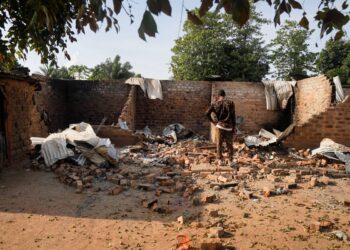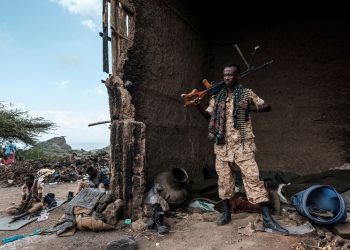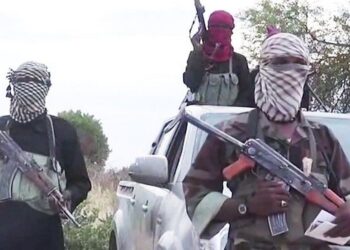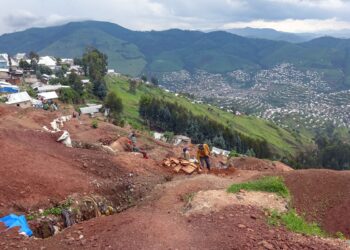
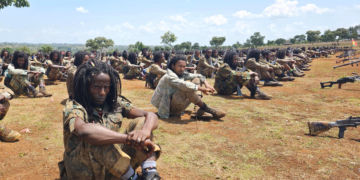
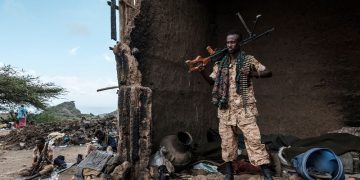
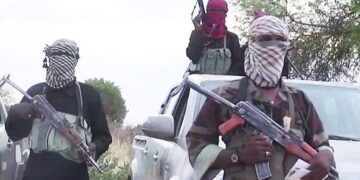

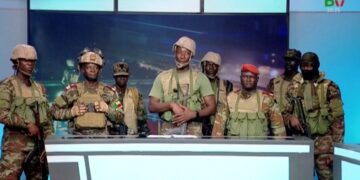









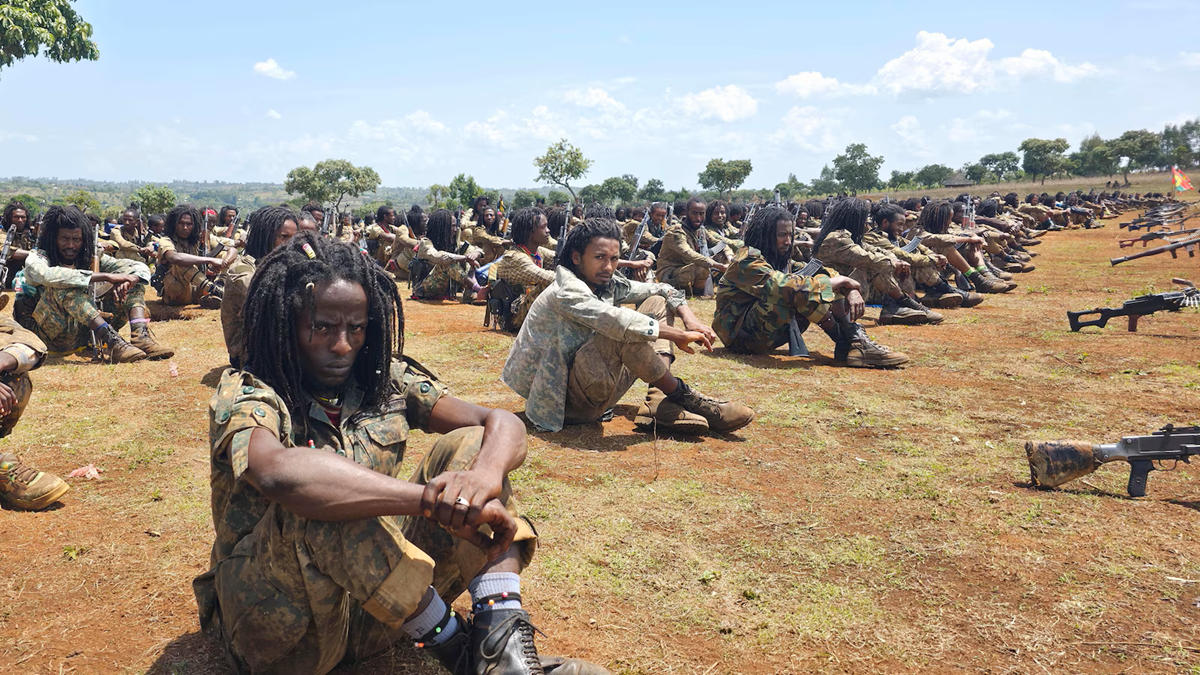
In the forests of Ethiopia’s largest region, a shadow war grinds on. Hunted by government drones, Oromo Liberation Army (OLA) commander Jaal Marroo denies his fighters target civilians. Yet, as a hidden humanitarian crisis deepens, international investigators accuse both sides of atrocities, leaving millions trapped in a deadly stalemate.
The government brands the OLA as terrorists, accusing them of ethnically motivated massacres.
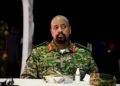
Rebel leader Marroo, in a rare interview, insists his troops operate under “strict military discipline.”
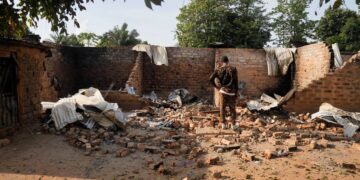
However, UN investigators and rights groups like Amnesty International document a brutal reciprocity: the OLA accused of killings and kidnappings, while government forces are cited for indiscriminate drone strikes and extrajudicial killings.
“Our report points to both groups,” says Amnesty’s Sarah Kimani.
A deepening humanitarian crisis
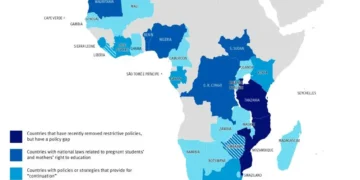
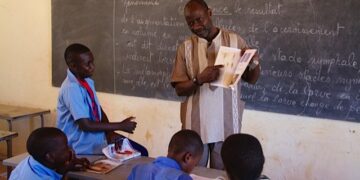
The human cost is staggering and underreported due to access restrictions. The UN reports 3.2 million children out of school.
Hospitals are looted, aid blocked, and malnutrition soars.
While the government claims military gains and returns of displaced people, abductions and banditry plague the region, with civilians paying the highest price.
The roots of grievance
The conflict stems from deep-seated Oromo grievances of political and economic marginalization within Ethiopia’s ethnic federal system—a sentiment persisting despite Prime Minister Abiy Ahmed being Oromo himself.
With the war hidden and a path to peace unclear, civilians remain caught in a devastating crossfire.