




































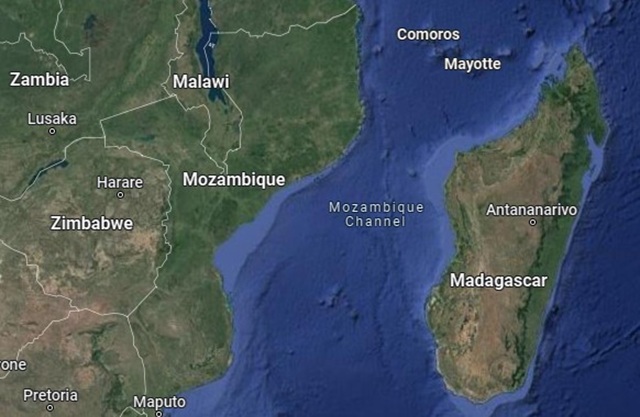
Mozambique’s maritime authorities have suspended all shipping in the Mozambique Channel after days of torrential rain battered the region, prompting fears of widespread flooding across southern and central provinces.
The National Maritime Institute (INTRANSMAR) announced the shutdown on Sunday, ordering a halt to all coastal passenger transport, artisanal fishing, small‑boat activity and recreational vessels.
Ships already at sea were instructed to seek shelter in safe ports until conditions improve.
The suspension comes as heavy rains, which began on Friday, continue to lash large parts of the country.
Officials say the measure will remain in place until the storm system weakens.
On land, emergency agencies are warning of rising flood risks across major river basins.
The Southern Regional Water Board (ARA‑Sul) has increased discharges from the Pequenos Libombos and Corumana dams in Maputo province to ease pressure on reservoirs swollen by the rains.
The releases could contribute to flooding along the Maputo, Umbeluzi, Incomati, Save and Limpopo rivers.
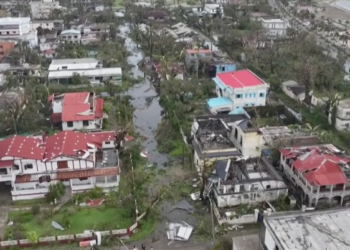
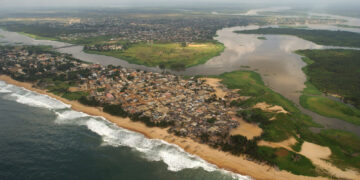
Radio Mozambique reported significant damage in Inhambane province where fields have been submerged and homes flooded in Inhambane city, Maxixe and Vilanculo.
The National Disaster Management Institute (INGD) warned last week that as many as three million people could be affected during the current rainy season.
INGD chairperson Luísa Meque said evacuations from high‑risk zones would begin once ongoing assessments of river levels are complete.
Mozambique is one of the most cyclone‑prone nations in the world, with a 2,500‑kilometre coastline that leaves it exposed to powerful storms forming in the Indian Ocean.
In recent years, cyclones Idai, Kenneth, Eloise and Freddy have caused catastrophic flooding, destroyed infrastructure and displaced hundreds of thousands of people.
Climate scientists warn that warming ocean temperatures are likely to intensify future storms.
With the rainy season still underway, authorities say they are bracing for further weather‑related emergencies in the weeks ahead.