
















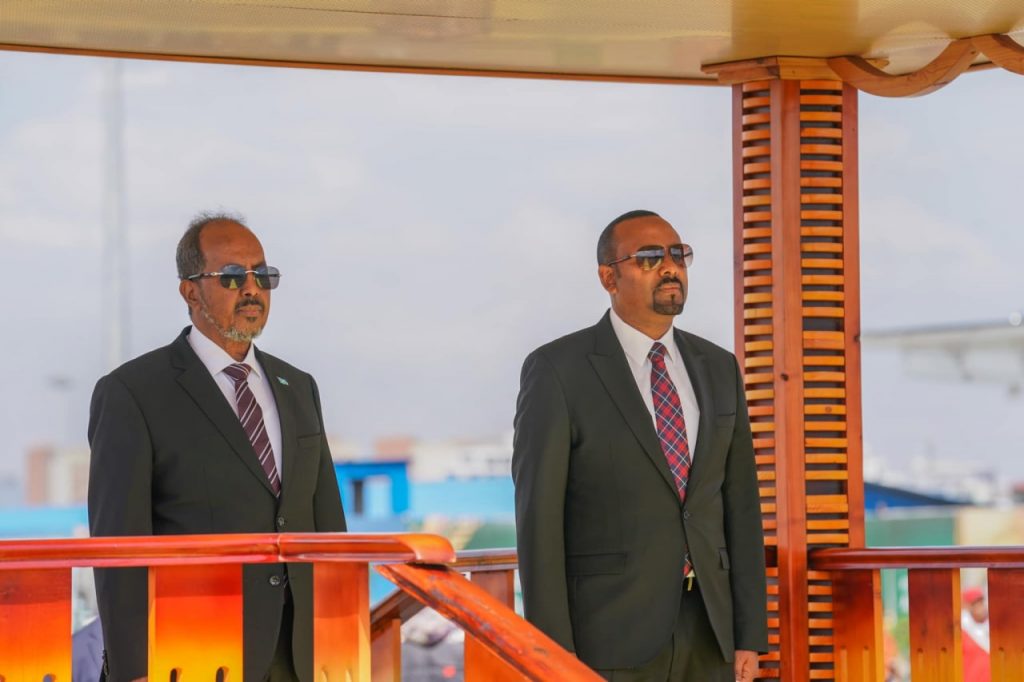
Ethiopia’s relations with Somalia have been under some strain last year but Friday’s trip by Somali President Hassan Sheikh Mohamud to Addis Ababa may be signaling a thaw in relations between the two Horn neighbours.
Throughout last year and for sometime this year the rhetoric from Mogadishu has been hardening, unmistakably critical of Ethiopia’s overrarching regional ambitions at the possible expense of somali territory.
President Mohamud had made several trips to Ethiopia to address the question over Somaliland, an enclave craving total independence from Somalia which still regards it as its territory. International recognition of Somalia’s sovereignty over the territory remains intact.
Ethiopia’s memorandum of understanding (MoU) with Somaliland had rubbed Mogadishu the wrong way and prompted President Mohamud’s past visits ostensibly to protest and state his country’s claim to a territory seeking to cut itself from the rest of Somalia, so far without success.
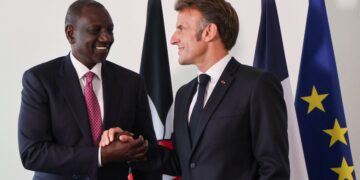
In his latest visit the Somali leader met Ethiopian Prime Minister Abiy Ahmed in a one-day working visit which ended on Saturday.
Reports emerging after Mohamud and Abiy held exensive talks give very sketchy details about the substance of the meeting. However, officials close to the two leaders say their talks were held in an atmosphere of ‘brotherliness’. The emphasis was on mutual respect and cooperation across several spheres of human endeavour. The two leaders were seized of issues of regional security, more diplomatic engagement, and other affairs that might affect the two countries.
Diplomats say President Mohamud and PM Abiy agreed to maintain important channels of communication based on shared interests as close neighbours facing the scourge of violence and the prospect of conflicts spilling over to catch up with the Horn of Africa region.
Relations both at a personal and diplomatic level between the two leaders are described as one of ”restored cooperation”.
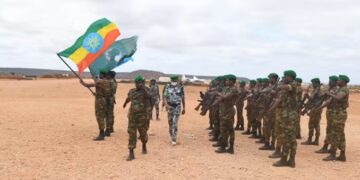
Ethiopian troops were an integral part of the African Union Mission in Somalia (AMISOM) which had morphed into the African Union Support and Stabilisation Mission in Somalia (AUSSOM). Members of the Ethiopian National Defense Force (ENDF) still constitute a part of this force although Somalia had called for their withdrawal during its spat with Ethiopia which it accused of undermining its sovereignty.
This had immediately followed a controversial MoU which would have guaranteed landlocked Ethiopia access to a leased 20-kilometer coastline for a naval base, in exchange for the recognition of Somaliland as an independent nation.
Although Ethiopia has not formally renounced the deal despite improving ties with Somalia, its willingness to press ahead remains to be seen.
The thaw in relations means that the deal between the Ethiopian government and the self-declared Republic of Somaliland remains suspended in limbo, its implementation stalled indefinitely thanks to wider regional recognition.
Meanwhile, indications from diplomats suggest that Mohamud left Addis Ababa on Saturday with diplomatic service fully restored between his country and Ethiopia, one of a number of countries in the region tasked with helping to tackle al-Shabaab in Somalia and ensure regional stability.
This will not stop Ethiopia from pressing on with its maritime ambitions, this time giving its cooperation with the parent country Somalia a head of steam.
The so-called Ankara Declaration brokered by Turkey had not only eased tensions and repaired soured relations but laid the foundation for renewed cooperation between landlocked Ethiopia desperate for access to the sea and Somalia beleaguered by an insurgency which seems to last forever.