






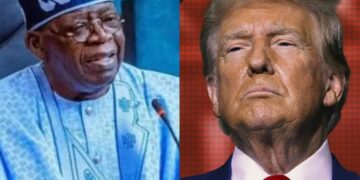

















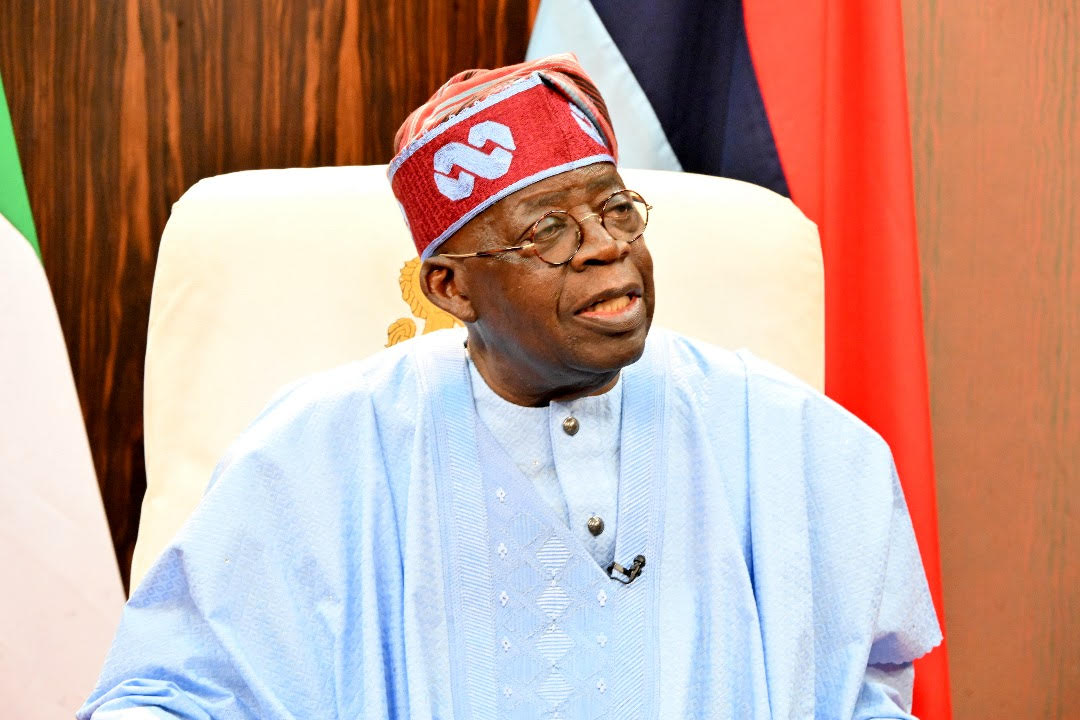
Nigerian President Bola Tinubu has presented a N58.18 billion 2026 Appropriation Bill to the joint session of the National Assembly, emphasizing that national security remains the foundation of economic growth, investment, and social stability.
According to the Appropriation Bill, N5.41 billion is allocated to security, which is the single largest allocation in the 2026 budget. This marks the third consecutive year that defence and security spending has taken priority since the administration began presenting national budgets in November 2023.
Under the proposal, defence and security will receive N5.41tn, ahead of infrastructure, education and health, reaffirming a pattern established in the 2024 and 2025 budgets, where security consistently attracted the highest sectoral allocation amid persistent threats from terrorism, banditry and kidnapping.
“Security remains the foundation of development,” Tinubu told lawmakers, stressing that without peace and stability, other sectors of the economy would struggle to thrive.
Tinubu also prioritsed Human capital development, infrastructure expansion and job creation in the 2026 budget as the government intensifies efforts to translate economic reforms into tangible benefits for Nigerians.
In his presentation, education received ₦3.52 trillion, health ₦2.48 trillion, while infrastructure was allocated ₦3.56 trillion, underscoring the administration’s focus on productivity and social welfare.
Tinubu disclosed that more than 788,000 students have already benefited from the Nigerian Education Loan Fund, in partnership with 229 tertiary institutions nationwide, as part of efforts to expand access to higher education.
In the healthcare sector, he announced that health spending accounts for 6 per cent of the total budget size, net of liabilities, and welcomed a $500 million support commitment from the United States Government for health interventions across Nigeria.
On infrastructure and food security, Tinubu said the 2026 Budget prioritised transport, energy, port modernisation and agricultural reforms aimed at boosting productivity and private-sector participation.
He disclosed plans by the Bank of Agriculture to mechanise farming through seven regional hubs, cultivate one million hectares, support millions of smallholder farmers with affordable finance, and create hundreds of thousands of jobs.
The Nigerian President also highlighted procurement reforms and the Nigeria First Policy, which mandates government agencies to prioritise Nigerian-made goods and local companies, a move expected to stimulate domestic industries and reduce import dependence.
Tinubu stressed that the success of the budget would not be judged by announcements, but by delivery, pledging better revenue mobilisation, better spending discipline and stronger accountability.
“This is not a budget of promises,” he said. “It is a budget of consolidation, renewed resilience and shared prosperity.”